iAspirants
Iran Protests Amidst Government Crackdown
Published on:
Share this post
Article Summary
Summary of Protests in Iran (January 2025)
Context of Protests:
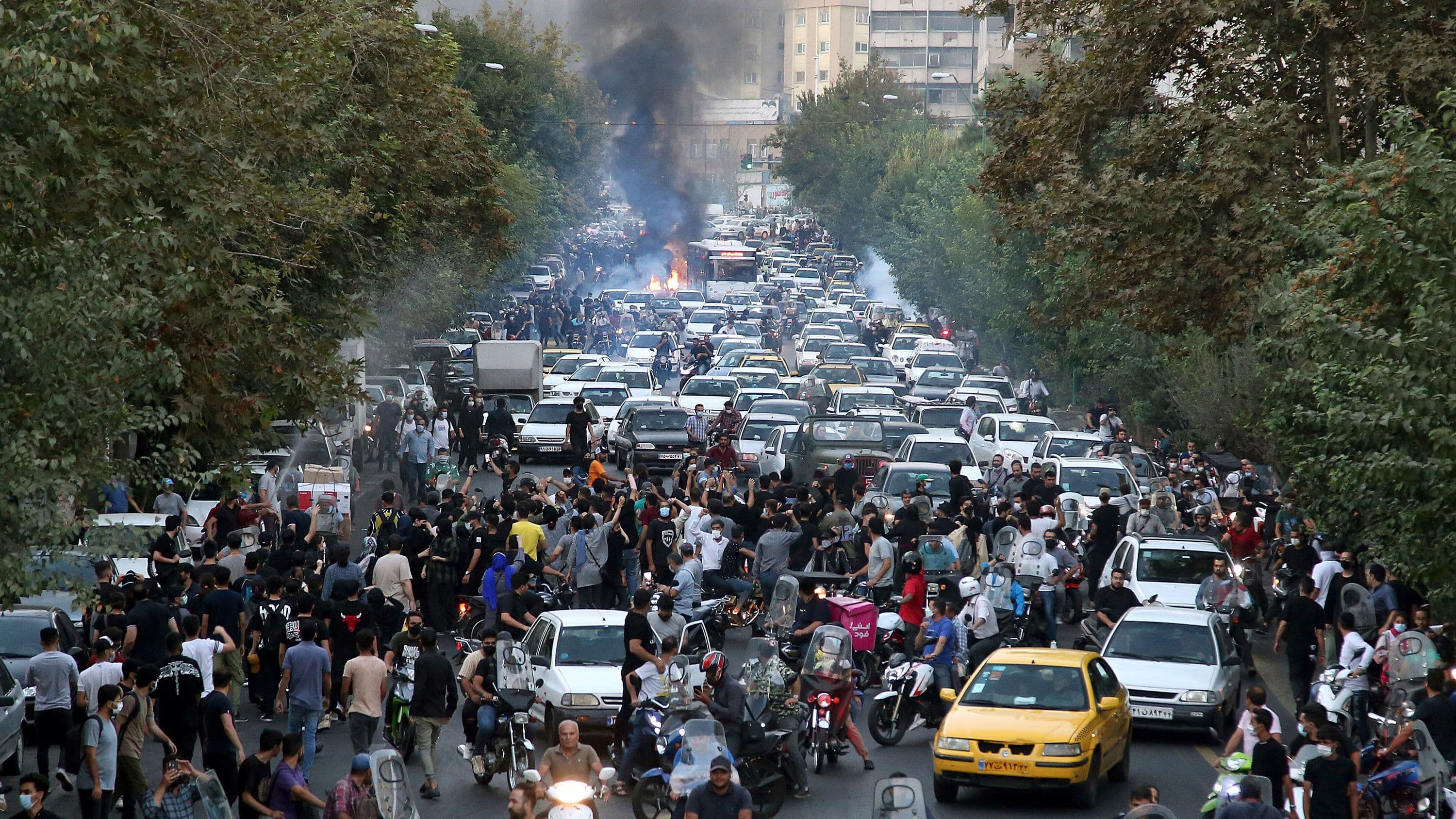
- Major protests erupted in Iran, marking the most significant challenge to the Islamic Republic since the 1979 revolution.
- Triggered by severe economic pressures, protesters chanted anti-government slogans and called for the ousting of clerical authorities.
Government Response:
- The Iranian government imposed an internet blackout amid the unrest lasting 48 hours.
- Authorities expressed a tough stance against protestors, leading to accusations of a deadly crackdown against demonstrators.
- Supreme Leader Ayatollah Ali Khamenei criticized U.S. intervention and labeled protestors as "vandals."
Judicial and Human Rights Concerns:
- Rights groups reported that at least 51 individuals were killed in the crackdown, with warnings that the toll could be higher.
- Amnesty International highlighted unlawful use of lethal force against protesters by security forces.
Notable Figures and International Reactions:
- Reza Pahlavi, son of the deposed Shah, called for organized protests, urging demonstrators to occupy strategic locations.
- U.S. President Donald Trump expressed American support for the protests, stating that the U.S. “stands ready to help.”
- EU leaders, including Ursula von der Leyen, condemned the Iranian government's violent repression and expressed solidarity with the protestors.
Geographical Spread of Protests:
- Protests spread across various Iranian cities, including Tehran, Mashhad, Tabriz, and Qom, with demonstrators often calling for the return of the monarchy.
- Traditional symbols from the Shah’s era, such as the lion and sun flag, were displayed during protests.
Economic and Social Environment:
- Reports indicated a profound sense of economic distress among the populace, contributing to the demand for regime change.
- A café manager reported on the dangerous environment as unrest engulfed multiple neighborhoods.
Security Forces and Casualties:
- Iranian authorities claimed fatalities among security forces due to the violence associated with the protests.
- The military vowed to “vigorously protect national interests” amidst allegations of urban chaos and disorder.
International Implications:
- The protests and subsequent global reactions may reshape diplomatic ties, especially considering the U.S. and EU positions on Iranian governance and human rights.
- Heightening tensions might influence regional security dynamics and U.S.-Iran relations further.
This summary encapsulates the current socio-political climate in Iran, highlighting pivotal statistics, governmental strategies, human rights implications, and international relations in the context of the ongoing protests.
Key Terms & Concepts
| January 10, 2025 | Date of significant protests |
| 1979 Islamic Revolution | Event causing current theocracy |
| Ayatollah Ali Khamenei | Current supreme leader of Iran |
| Donald Trump | U.S. President supporting protests |
| Internet blackout | Measures taken during protests |
| 51 people | Reported death toll from crackdown |
| Alghadir hospital | Location associated with shootings |
| Ursula von der Leyen | EU chief condemning repression |
| Iran Human Rights group | Organization reporting casualties |
| Mashhad, Tabriz, Qom | Cities with protests |