iAspirants
Iran Seeks India's Leadership in BRICS
Published on:
Share this post
Article Summary
Exam-Focused Notes: Diplomatic Developments within BRICS Regarding the US-Iran Conflict
Background of the Issue:
- Iran requested India, as the current chair of BRICS, to issue a statement condemning US and Israeli military actions against Iran.
- Difficulty in reaching a consensus among BRICS members due to direct involvement in the conflict of certain nations.
BRICS Membership:
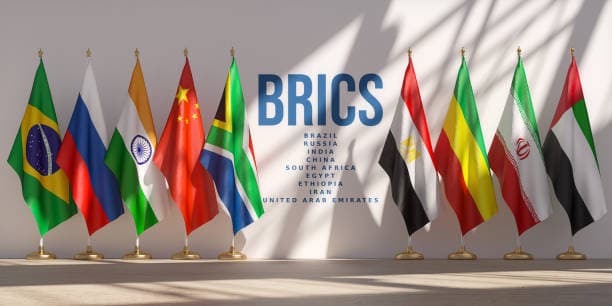
- The BRICS grouping comprises Brazil, Russia, India, China, South Africa, Egypt, Ethiopia, Iran, Saudi Arabia, UAE, and Indonesia.
- Represents approximately 49.5% of the global population, about 40% of global GDP, and around 26% of global trade.
India's Diplomatic Position:
- India has maintained a neutral stance, avoiding taking sides in the conflict, thereby complicating diplomatic navigation.
- Prime Minister Narendra Modi and External Affairs Minister S. Jaishankar have engaged in discussions with leaders from Saudi Arabia, UAE, and Iran over the past two weeks.
Engagement and Communication:
- Recent engagements include four conversations between Jaishankar and his Iranian counterpart Seyed Abbas Araghchi since hostilities began on February 28.
- Efforts to facilitate discussions among BRICS members through the Sherpa channel, with the latest virtual meeting held on March 12.
Impact of Regional Dynamics:
- The conflict has directly involved Saudi Arabia and the UAE, both of which host US military bases and have faced missile and drone attacks from Iran.
- This situation creates a challenging landscape for India's diplomatic efforts and consensus-building within BRICS.
Upcoming Events:
- India, holding the rotational presidency of BRICS in 2026, is expected to host the leaders' summit later this year.
Constitutional Reference:
- No direct constitutional references were noted in the article, but India's foreign policy aligns with principles of sovereign equality and peace, reflecting its commitments under various international frameworks.
International Relations:
- Monitoring of the BRICS group's collective stance towards geopolitical conflicts, highlighting the complexities of international diplomacy in multi-nation agreements.
Conclusion:
- India's leadership in BRICS during 2026 will be critical in managing and responding to significant geopolitical conflicts, emphasizing the need for diplomatic flexibility and collaboration among emerging economies.
These notes encapsulate the essential facts and dynamics involved in the current situation concerning Iran and BRICS, emphasizing India's role in diplomacy amid complex international relations.
Key Terms & Concepts
| BRICS | International economic grouping |
| India | Chair of BRICS in 2026 |
| United States | Involved in strikes against Iran |
| Israel | Involved in strikes against Iran |
| Iran | Seeking statement on strikes |
| Saudi Arabia | BRICS member, hosting US bases |
| United Arab Emirates | BRICS member, hosting US bases |
| Egypt | BRICS member |
| Ethiopia | BRICS member |
| China | BRICS member |
| Russia | BRICS member |
| 49.5% | Global population representation |
| 40% | Global GDP representation |