iAspirants
Iran-US Nuclear Talks Resumed
Published on:
Share this post
Article Summary
International Relations and Nuclear Non-Proliferation Negotiations
Second Round of Nuclear Talks:
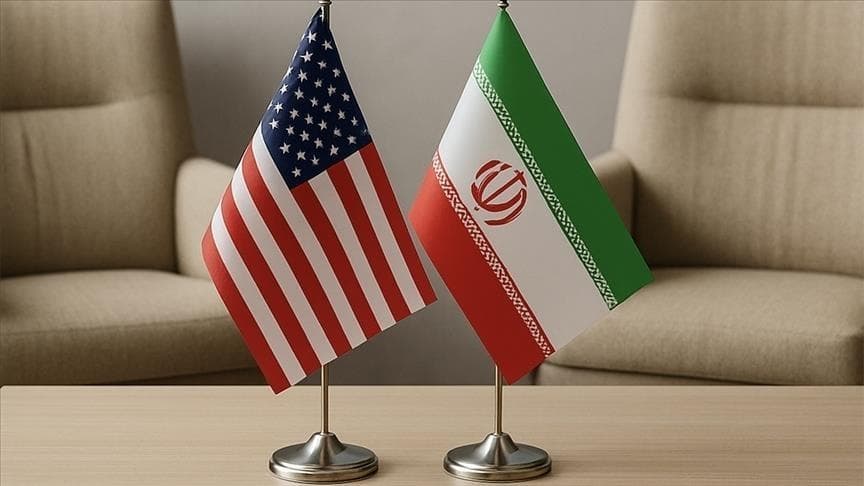
- The United States and Iran are scheduled for their second round of indirect talks regarding Tehran’s nuclear program, facilitated by the Swiss Foreign Ministry and hosted by Oman in Geneva.
Background & Context:
- The first round took place on February 6, 2026, featuring discussions between Iranian Foreign Minister Abbas Araghchi and U.S. Mideast envoy Steve Witkoff, along with military representatives.
- Previous negotiations broke down in June 2025 amid increased military tensions, including a U.S. bombing campaign of Iranian nuclear sites during a 12-day conflict initiated by Israel.
U.S. Position:
- U.S. President Donald Trump has underscored that Iran must halt uranium enrichment entirely as part of any agreement. Currently, Iran has been enriching uranium to 60% purity, which is close to weapons-grade levels.
- Trump warned repercussions for Iran if no agreement is reached, describing it as “very traumatic.” He has also emphasized the importance of scaling back Iran's nuclear ambitions and indicated a potential military response.
Iran’s Stance:
- Iran asserts that its nuclear program is intended for peaceful purposes but has indicated a willingness to pursue weapon capabilities if necessary.
- The Iranian government, represented by President Masoud Pezeshkian, claims readiness for any verification process concerning its nuclear activities. However, the International Atomic Energy Agency (IAEA) has faced challenges in inspecting Iran's nuclear stockpile.
Regional Concerns:
- The situation has raised alarms among Gulf Arab nations, fearing any military engagement might escalate into broader regional conflict.
- Israeli Prime Minister Benjamin Netanyahu, during discussions with Trump, has insisted that any agreements must address not only Iran's nuclear program but also its ballistic missile development and support for groups like Hamas and Hezbollah.
Military Movements:
- In a show of strength, the USS Gerald R. Ford, the largest aircraft carrier globally, is being deployed from the Caribbean to the Middle East to reinforce U.S. military assets in the region.
International Implications:
- The developments reflect ongoing tensions in Middle Eastern geopolitics, the significant role of international agreements concerning nuclear proliferation, and the complexities surrounding U.S.-Iran relations.
- Iran's nuclear ambitions continue to be a focal point in international diplomacy, with implications for peace and security in the region.
Conclusion: The upcoming talks and the involved parties’ positions will be crucial in determining the future of Iran’s nuclear capability and regional stability, amid concerns over military escalation and the potential for wider conflict.
Key Terms & Concepts
| Iran | Country with nuclear program |
| United States | Negotiating party |
| USS Gerald R. Ford | Aircraft carrier deployed |
| International Atomic Energy Agency | Nuclear watchdog |
| Abbas Araghchi | Iranian Foreign Minister |
| Steve Witkoff | US Mideast envoy |
| Benjamin Netanyahu | Israeli Prime Minister |
| February 14, 2026 | Date of upcoming talks |
| 60% purity uranium enrichment | Near weapons-grade uranium |
| Oman | Host for talks |