iAspirants
Iran War and Global Economic Impact
Published on:
Share this post
Article Summary
Summary of Key Points from the Ongoing War in Iran
Military Overview:
- Iran has withstood military pressure from Israel and the U.S. despite suffering significant attacks on leadership and military assets.
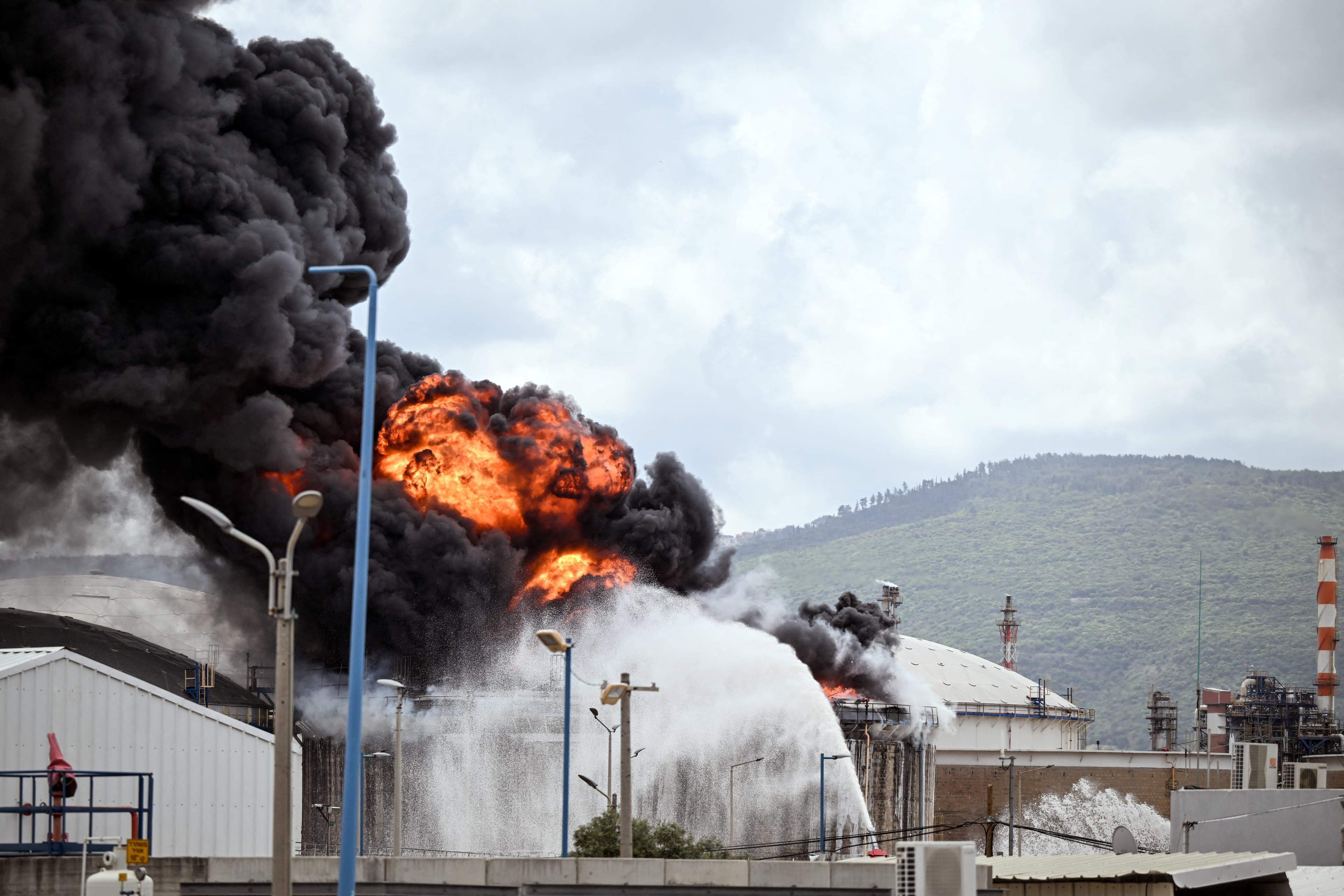
- U.S. military operations, termed “Operation Epic Fury," have encountered unexpected challenges, with 42 U.S. aircraft lost or damaged, including advanced F-35 stealth fighters.
- The efficacy of U.S. missile defense systems (Patriot, Tomahawk, THAAD) has been compromised, with more than half of the missile stockpile used, and over 240 U.S. targets hit by Iranian forces.
Economic Impact:
- Iran's blockade of the Strait of Hormuz has disrupted global oil supply, affecting economies heavily reliant on crude imports, like India (88% of crude oil comes from imports).
- Approximately 20 million barrels of oil, about one-third of the global supply, traverse this chokepoint daily.
Connectivity and Trade Initiatives:
- Efforts to develop transit projects that avoid conflict zones are crucial.
- Significant initiatives include:
- International North-South Transport Corridor (INSTC): Designed to bypass the Suez Canal.
- Belt and Road Initiative (BRI): Aimed at reducing dependence on major maritime routes.
- India-Middle East-Europe Economic Corridor (IMEC):
- Official announcement at the G-20 Summit in New Delhi, September 2023.
- Aims to create a multimodal corridor linking India to Europe through West Asia, integrating rail, highway, energy, and digital infrastructure.
- Comprises three main sections:
- Eastern section links India to UAE via sea.
- Central section overland through West Asia to Haifa, Israel.
- Western leg connects Haifa to European ports.
Current Challenges:
- The war has complicated IMEC’s progression, particularly those routes involving Israel.
- Disruption in strategic locations, especially ports in the UAE and the Strait of Hormuz, poses significant risks to the project.
- Tensions between Saudi Arabia and UAE could hinder coordination necessary for IMEC's success.
Geopolitical Dynamics:
- Countries must navigate complicated regional relationships, particularly the evolving stances of Saudi Arabia and UAE amidst the conflict.
- There is a potential need to develop detours such as ports in Oman and alternative routes through Egypt to secure IMEC against future conflicts.
- Diplomatic efforts are crucial; countries like India can play a mediating role, supported by European allies interested in the corridor's strategic implications.
Conclusion:
- The war in Iran highlights the urgent need for transnational connectivity initiatives like IMEC to mitigate risks associated with geopolitical tensions and strategic choke points. Successful implementation requires navigating intricate diplomatic challenges and enhancing regional cooperation.
Key Terms & Concepts
| Operation Epic Fury | US military operation against Iran |
| F-35 | Type of US stealth fighter lost |
| Patriot, Tomahawk, THAAD | Missile defense systems used |
| Strait of Hormuz | Strategic global oil choke point |
| G-20 Summit | Event for IMEC announcement |
| International North-South Transport Corridor (INSTC) | Connectivity project to bypass Suez |
| Belt and Road Initiative (BRI) | Connectivity initiative across Asia |
| India-Middle East-Europe Economic Corridor (IMEC) | Proposed multimodal corridor project |
| OPEC | Global oil production organization |
| green hydrogen corridors | Future-oriented energy solutions |
| Suez Canal | Traditional global trade route |
| UAE | Key partner in IMEC |