iAspirants
Iranian Protests and Feminism's Symbolism
Published on:
Share this post
Article Summary
Summary of Key Points: Iran’s Protests and Historical Context of Women and Smoking
Context of Protests:
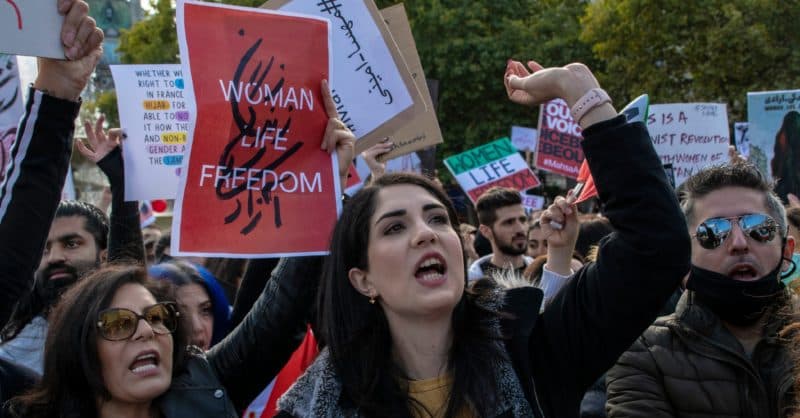
- Protests in Iran have intensified following the death of Mahsa (Jina) Amini in 2022 due to her arrest for "improper" hijab, sparking the "Woman, Life, Freedom" movement.
- Recent symbolic acts include young Iranian women lighting cigarettes from burning photographs of Supreme Leader Ayatollah Ali Khamenei, showcasing defiance against oppressive norms.
Historical Perspective on Smoking:
- Early 20th century America viewed women's smoking as problematic; social stigma was prevalent (e.g., women smoking could lead to social ruin).
- Smoking has historically represented a complex interplay of gender roles, with women's smoking seen as both defiance against patriarchal norms and a moral issue.
Shifting Perceptions:
- Post-World War I saw a shift as women entered the workforce, thus normalizing smoking among women, aligning with the suffrage movement and the passage of the 19th Amendment in 1920.
- Edward Bernays’ 1929 PR stunt labeled cigarettes as “Torches of Freedom,” marketing them as symbols of women’s liberation.
Cultural and Market Dynamics:
- Cigarette advertising evolved to detach smoking from moral degradation, featuring women as elegant and liberated. This marketing contrasted traditional gender roles.
- Notable trends included the launch of Virginia Slims in 1968, targeting women's aspirations and societal roles with slogans like "You've come a long way, baby."
Demographic Insights:
- Early 20th century data revealed the increasing prevalence of smoking among women, yet overall smoking rates continued to lag behind men.
- NFHS-5 (2019-21) data indicates that 9% of Indian women smoke compared to 38% of men; trends also highlight rural residents being 1.6 times more likely to smoke.
Health and Societal Implications:
- As smoking became associated with female emancipation, it also introduced stigma and complicity in traditional gender roles; women faced additional societal pressures and health risks.
- Factors such as age and socioeconomic status play significant roles in smoking behaviors, with marginalized groups showing higher rates of smoking.
International and Cultural Relevance:
- Symbolic acts of lighting cigarettes from images of authority (as seen in Iran) have broader implications related to gender and protest culture.
- Contemporary portrayals of smoking women in cinema often reinforce outdated stereotypes, highlighting a nuanced representation of modern femininity.
Constitutional and Societal Repercussions:
- The protests and acts of defiance reflect deeper societal issues of gender discrimination tied to socio-political conditions in a theocratic state.
- Cigarette use as a protest symbol underscores the clash between personal autonomy and systemic oppression, framing a modern feminist narrative rooted in historical struggle.
These insights illustrate the complex historical and socio-cultural dynamics surrounding women's rights, smoking, and protest, particularly against the backdrop of Iranian societal challenges.
Key Terms & Concepts
| Mahsa Amini | Death sparked protests |
| Woman, Life, Freedom | Movement name |
| NFHS-5 (2019-21) | Tobacco use data in India |
| 19th Amendment | US constitutional amendment |
| Edward Bernays | Public relations pioneer |
| Virginia Slims | Cigarette brand launched |
| Easter Parade | Event used for promotion |
| Journal of Gender Studies | Research publication |
| Caste and gender hierarchies | Issues critiqued in India |
| Bollywood | Cultural influence on smoking |
| British Medical Journal | Published significant study |