iAspirants
Iranians Protest Against Economic Crisis
Published on:
Share this post
Article Summary
Political Context: The social unrest in Iran began on December 28, 2025, stemming from protests in Tehran’s Grand Bazaar over the collapsing rial and inflation rates. This has evolved into the most significant challenge against the Islamic Republic since its inception in 1979.
Economic Situation: Iran's economy is severely affected by long-standing Western sanctions. Following Israel's bombing campaign in June 2025, the situation worsened. Economic distress was exacerbated by the government’s decision in December 2025 to raise fuel prices and reduce food subsidies, leading to public outrage.
Protests and Government Response: The protests have turned violent, with reports indicating hundreds of protesters killed according to rights groups in the U.S. and Norway, while Iranian state media claimed that security personnel deaths also occurred during these clashes.
U.S. Involvement: On January 13, 2026, U.S. President Donald Trump encouraged protesters to “take over” Iranian institutions, implying potential military intervention. Historical precedents like U.S. invasions in Afghanistan, Iraq, and Libya show that military actions do not effectively solve internal political crises and could worsen the situation.
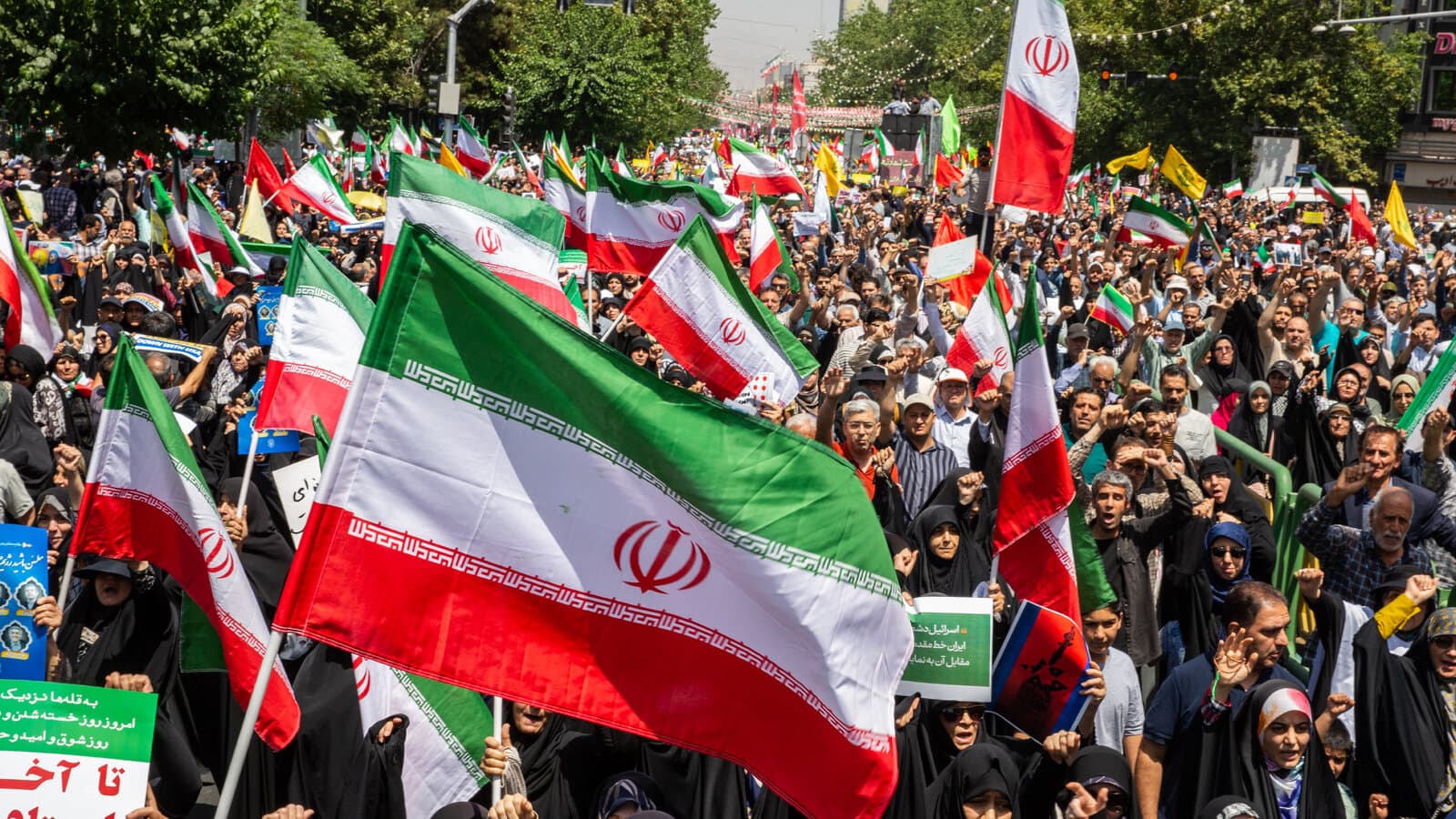
Public Sentiment: Despite the violent protests, significant public support remains for the current regime, with around 30 million Iranians participating in the 2024 presidential elections. Pro-government rallies were seen on January 12, 2026, indicating sustained loyalty within the security forces.
Potential Risks of Foreign Intervention: An American attack aimed at regime change could lead to regional chaos and further violence within Iran, risking the well-being of its citizens rather than liberating them.
Suggested Solutions: Experts emphasize the need for reforms within Iran, suggesting international engagement to prompt credible changes that address ongoing political, economic, and social crises rather than military interventions.
International Relations: The situation involves complex dynamics, including external threats from Israel and calls for U.S. intervention, creating a multifaceted crisis with implications for regional stability.
Human Rights Concerns: The crackdown on protests raises significant human rights issues and the need for international scrutiny of Iran's treatment of dissent.
This summary encapsulates the backdrop of civil unrest in Iran driven by economic distress, the international repercussions of U.S. involvement, the implications of past military interventions, and the ongoing struggle for reform within the country.
Key Terms & Concepts
| Rial | Iran's collapsing currency |
| Inflation | Soaring cost of living |
| 1979 | Year of Islamic Republic founding |
| June 2025 | Israeli bombings impacting economy |
| Fuel Prices | Government increased prices |
| Food Subsidies | Rollback of financial support |
| January 13 | Date of pro-government rallies |
| 30 million | Voter turnout in 2024 elections |
| 50% | Electorate participation rate |
| U.S. Invasions | Learning from past military interventions |
| Afghanistan, Iraq, Libya | Past U.S. intervention cases |
| Donald Trump | U.S. threats of military intervention |