iAspirants
Israel Criticizes US Gaza Committee Announcement
Published on:
Share this post
Article Summary
International Relations: Israel has expressed discontent regarding the U.S. White House's announcement of a new committee overseeing governance in Gaza, highlighting a lack of coordination and perceived inconsistency with Israeli policy.
Gaza Executive Committee:
- The committee includes prominent figures such as:
- U.S. Secretary of State Marco Rubio
- Trump's son-in-law Jared Kushner
- Former British Prime Minister Tony Blair
- Ajay Banga, President of the World Bank
- Members from Qatar, Egypt, and the UAE
- Notable Israeli personalities are absent from the committee, provoking criticism.
- The committee includes prominent figures such as:
Committee Objectives: The executive committee is tasked with implementing a "Board of Peace" vision spearheaded by former President Donald Trump. This includes:
- Running day-to-day affairs in Gaza
- Supervising ceasefire agreements and reconstruction processes
Ceasefire Plan: The current ceasefire in Gaza, effective since October 10, involves the following key phases:
- Phase One: Release of hostages in exchange for Palestinian detainees, humanitarian aid increase, and partial Israeli troop withdrawal.
- Phase Two: Focus on establishment of a Palestinian governing body, deployment of international security forces, and disarmament of Hamas.
Political Responses:
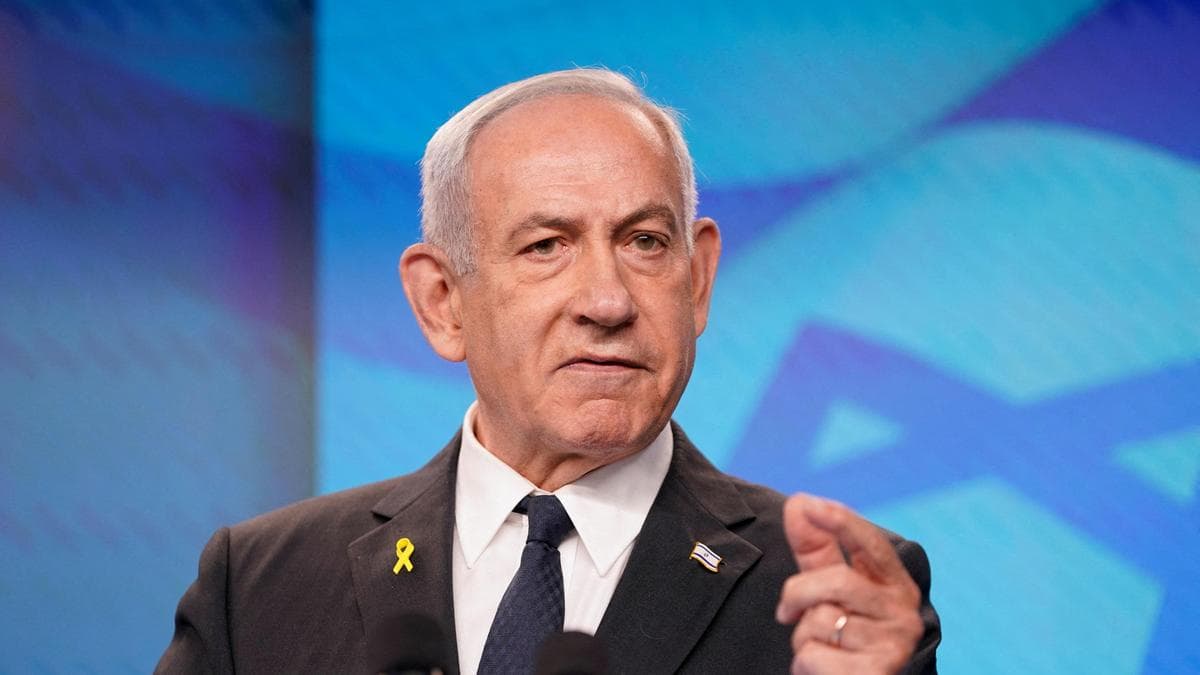
- Israeli Prime Minister Benjamin Netanyahu has directed the foreign ministry to engage with Secretary of State Rubio in reaction to the committee’s composition.
- National Security Minister Itamar Ben-Gvir is urging military preparedness, stating a need to return to conflict if necessary.
Palestinian Response: The Palestinian Islamic Jihad, a militant group, has voiced opposition to the committee’s structure, claiming it serves Israeli interests rather than a genuine representation of Palestinian needs.
Economic Considerations: While the article does not provide specific economic indicators, the establishment of a governing committee and reconstruction efforts in Gaza suggest implications for international financial assistance, investment needs, and economic development opportunities post-conflict.
Future of Gaza: The implementation of the new Palestinian committee and its operations under international oversight is critical for stabilizing Gaza, which has been devastated by conflict. The deliberations among key leaders and nations involved indicate complex dynamics in moving forward.
Broader Context: This situation falls within ongoing geopolitical discourse involving U.S., Israeli, and Middle Eastern relations, particularly regarding peace efforts and the fate of Palestinian governance amid long-standing hostilities with Israel.
This summary encapsulates critical elements of governance and international relations surrounding the Gaza crisis while hinting at implications for future negotiations and stability in the region.
Key Terms & Concepts
| White House | Source of committee announcement |
| Executive Committee | Oversight body for Gaza |
| Gaza | Region affected by conflict |
| Gaza ceasefire plan | Drafted by the U.S. |
| October 10 | Ceasefire effective date |
| Palestinian committee | Day-to-day Gaza affairs |
| International security force | Proposed peacekeeping body |
| Hamas | Militant group in Gaza |
| Yakir Gabay | Israeli businessman in committee |
| Ajay Banga | World Bank President in committee |
| Marco Rubio | U.S. Secretary of State |
| Steve Witkoff | Trump envoy in committee |
| Jared Kushner |