iAspirants
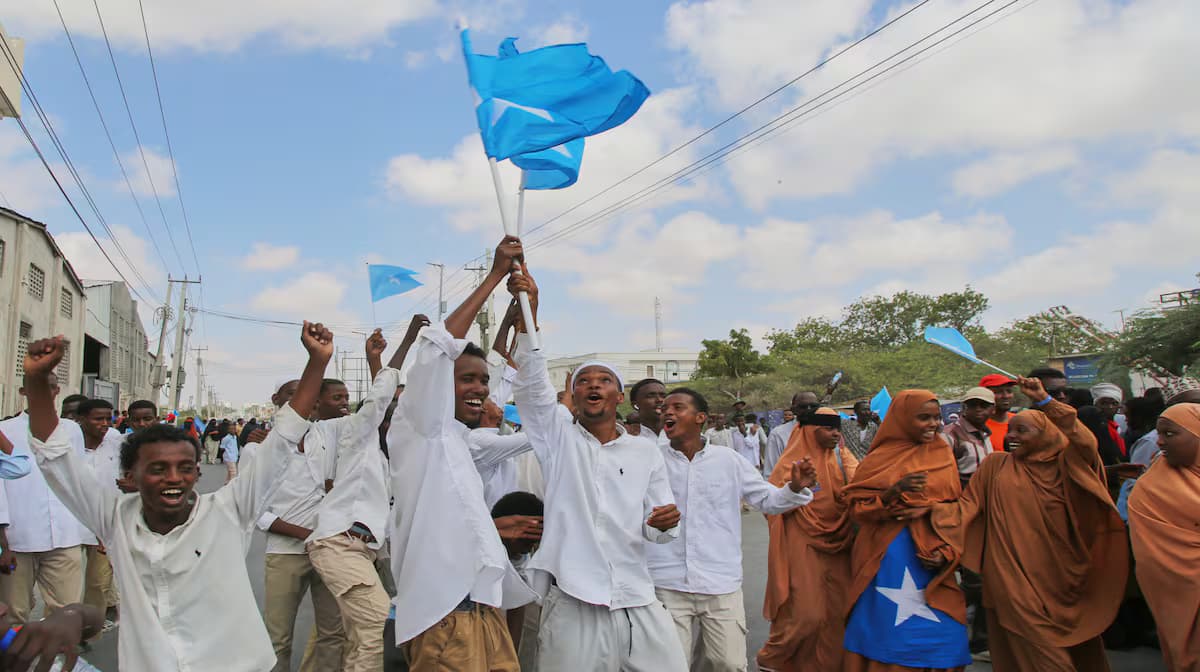
Israel's Recognition of Somaliland Impacts
Published on:
Share this post
Article Summary
Summary of Key Points on Israel's Recognition of Somaliland and its Implications
International Relations & Geopolitical Context
- Israel's Recognition of Somaliland: This marks a departure from the "rules-based international order" (RBIO), which underwent significant breakdowns globally. Somaliland occupies a strategic location at the mouth of the Red Sea, enhancing Israel's maritime access and regional influence.
- Global Reactions:
- Arab States: Majority condemned Israel's decision; however, states like the UAE and Morocco, which have ties to Israel, show ambivalence.
- Somalia: Receives fragmented support for its sovereignty, reflecting the implications of self-interested state actions overriding diplomatic norms.
Lessons on Territorial Integrity
- Territorial Integrity: The breakdown of the RBIO highlights that global norms don't ensure a state's territorial integrity. Territorial sovereignty needs to be actively maintained rather than assumed.
- International Community's Response: Violations of sovereignty may not elicit collective action or support, undermining the premise that aggression would universally be countered by states.
India's Position and Strategic Interests
- India's Stance: India is expected to navigate a careful diplomatic response due to its partnerships with Israel and Ethiopia. India historically supports territorial sovereignty but has refrained from addressing Russia's actions in Ukraine.
- Regional Implications: Israel's recognition has implications for India’s interests in the Indian Ocean, particularly concerning energy and maritime trade.
Priorities for India in a Changing International Landscape
- Internal Political Cohesion: Strengthening societal unity to prevent external manipulation and maintain stability.
- Credible Deterrence: Building military capacity and political resolve to ensure sovereignty is protected against aggressors.
- Regional Leadership: India must assume a proactive role in South Asian stability to prevent great powers like the US and China from exploiting regional conflicts.
Broader Themes and Concepts
- Erosion of the RBIO: The paradigm shift from principles governing international relations towards self-serving pragmatic choices reflects a larger trend, as seen in the responses to China's actions in the South China Sea and Russia's territorial advances.
- Modern Sovereignty Challenges: Sovereignty is increasingly contested through non-military means like economic leverage, infrastructure control, and digital influence, complicating traditional security paradigms.
Conclusion
The recognition of Somaliland by Israel illustrates the fragility of international norms and the reality of territorial politics in the modern age, with significant implications for countries like India navigating complex geopolitical landscapes.
Key Terms & Concepts
| Somaliland | Independent state recognized by Israel |
| Israel | Recognized Somaliland strategically |
| Red Sea | Vital chokepoint for maritime access |
| Suez Canal | Connects Mediterranean to Indian Ocean |
| United Arab Emirates | Invested in Berbera port, ambivalent |
| Abraham Accords | Normalizes relations between Israel and Arab states |
| Ethiopia | Seeks maritime access in Somaliland |
| Ukraine | Facing pressure for territorial concessions |
| Crimea | Annexed by Russia in 2014 |
| Foreign policy | India's balancing act in response |
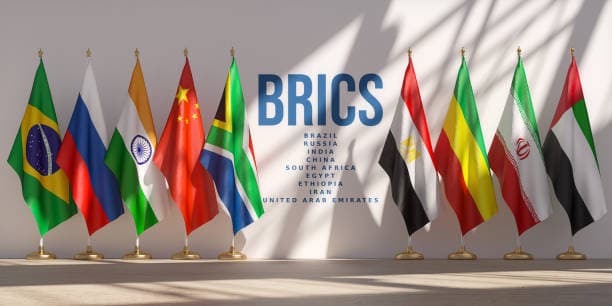
| BRICS | Divided on Somaliland recognition |
| Global South | Cannot rely on solidarity against aggression |