iAspirants
ISRO PSLV-C62 Mission Encounter Anomaly
Published on:
Share this post
Article Summary
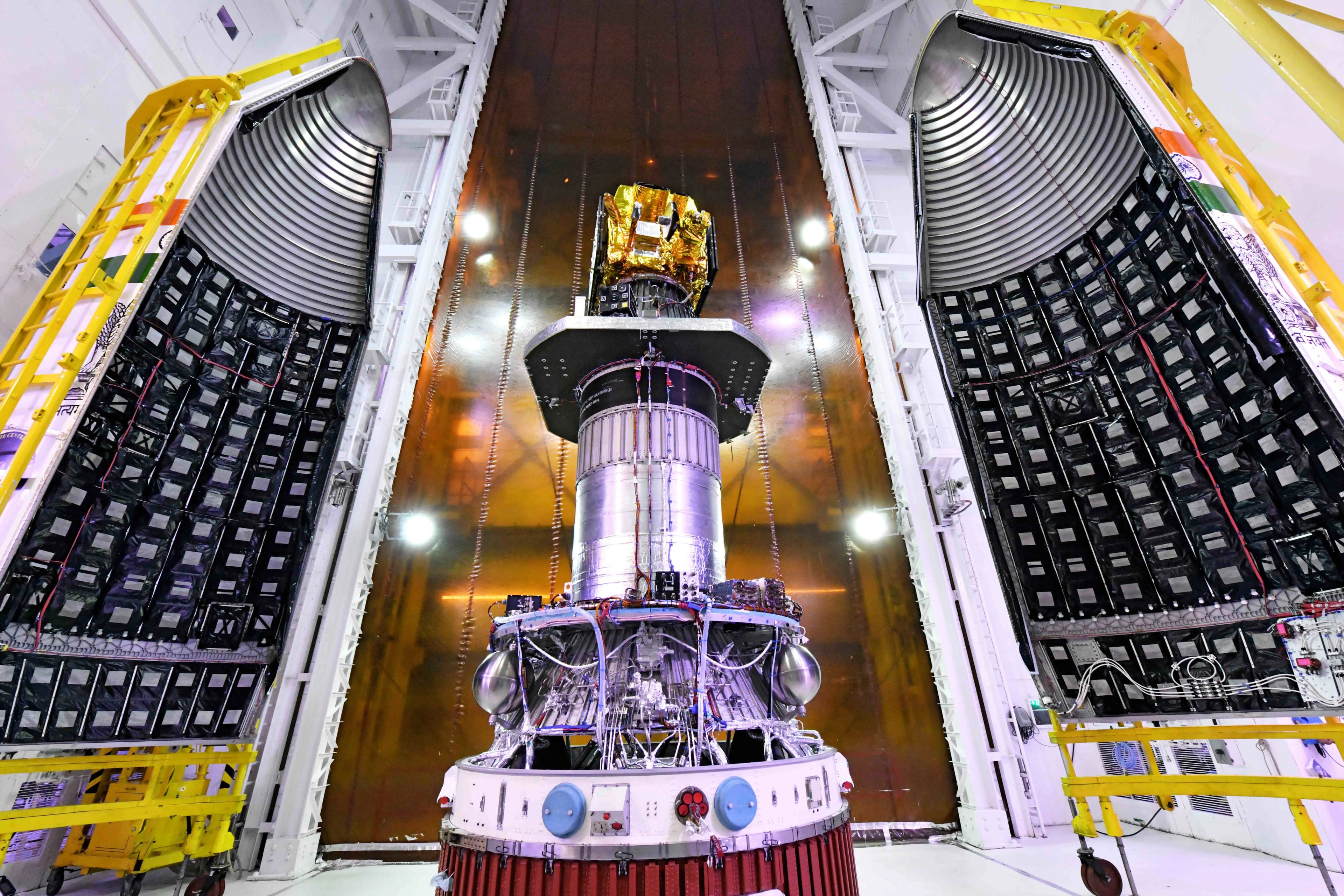
Summary Notes on ISRO's PSLV-C62 Mission Incident
Mission Overview:
- Launch Date: January 12, 2026.
- Vehicle: PSLV-C62.
- Payloads: EOS-N1 satellite (India's Defence Research and Development Organisation) + 15 co-passenger satellites from Thailand, UK, Nepal, France, Spain, Brazil, and Indian enterprises.
Incident Details:
- An anomaly occurred during the PS3 stage (third stage) shortly before satellite deployment.
- Increased “disturbance in vehicle roll rates” was reported, leading to a deviation from the planned trajectory.
- The rocket spun uncontrollably, preventing the deployment of the satellites.
- Expected Outcome: The rocket and satellites were anticipated to fall and burn up over the southern Indian Ocean.
Previous Failures and Comparison:
- PSLV-C62 faced a similar anomaly to the PSLV-C61 mission on May 18, 2025, which also failed to deploy its payloads.
- PS3 anomalies were similar in both missions:
- C62: Roll rate disturbance.
- C61: Chamber pressure drop in the PS3 motor casing caused the malfunction.
Investigatory Procedures:
- ISRO established a Failure Analysis Committee (FAC) after both incidents to investigate the causes of failures.
- The FAC is not permanent and is constituted by the ISRO chairman post-major incidents.
- FAC Responsibilities: Reconstruct events using telemetry data, identify causes, and recommend corrective actions.
- The FAC's findings often remain undisclosed to the public, a deviation from past practices where summaries were released.
Data and Economic Implications:
- Cost Responsibility: The cost for the loss of EOS-N1 will be borne by India; co-passenger Indian satellites may not have been insured, leading to potential financial losses for developers.
- The inclusion of international payloads suggests extensive collaboration in satellite development and payload deployment.
Government and Policy Context:
- ISRO's Role: The Indian Space Research Organisation operates under the Department of Space, directly under the Prime Minister's Office (PMO).
- The incident underscores the challenges in satellite deployment despite ISRO's previous successes with the PSLV series.
International Relations:
- The international collaboration highlighted by satellite payloads indicates India's increasing role in facilitating global space missions, enhancing diplomacy through shared aerospace technology and infrastructure.
Past Missions and Comparisons:
- Previous anomalies in missions like GSLV-F10 (2021) prompted detailed inquiries and public communication from ISRO, contrasting with the current lack of transparency regarding PSLV-C61 and PSLV-C62.
- The shift in communication strategies post-failure raises concerns among independent experts regarding accountability and transparency.
Technological Relevance:
- The incident aims to reiterate the importance of continued research and development in aerospace technology.
- Understanding and resolving such anomalies is crucial for future missions and maintaining India's growing reputation in the global space arena.
Conclusion:
The PSLV-C62 incident serves as a reminder of the complexities and risks involved in space missions. The steps taken (or not taken) following the mission failure will be vital in determining ISRO’s future operations and international partnerships.
Key Terms & Concepts
| PSLV-C62 mission | Launch of EOS-N1 satellite |
| EOS-N1 | Surveillance satellite |
| GISTDA | Thailand's space agency |
| THEOS-2A | Satellite on board PSLV-C62 |
| PS3 stage | Rocket's third stage operation |
| Failure Analysis Committee (FAC) | Investigate mission anomalies |
| Department of Space | ISRO's governing body |
| NewSpace India, Ltd. | Facilitated mission for ISRO |
| KID payload | Reentry demonstrator device |
| 2025 | Year of PSLV-C61 mission failure |
| 2026 | Year of PSLV-C62 mission anomaly |
| Southern Indian Ocean | Projected crash location |