iAspirants
Jammu and Kashmir Drug Crisis
Published on:
Share this post

Article Summary
Summary of Drug Crisis in Jammu and Kashmir
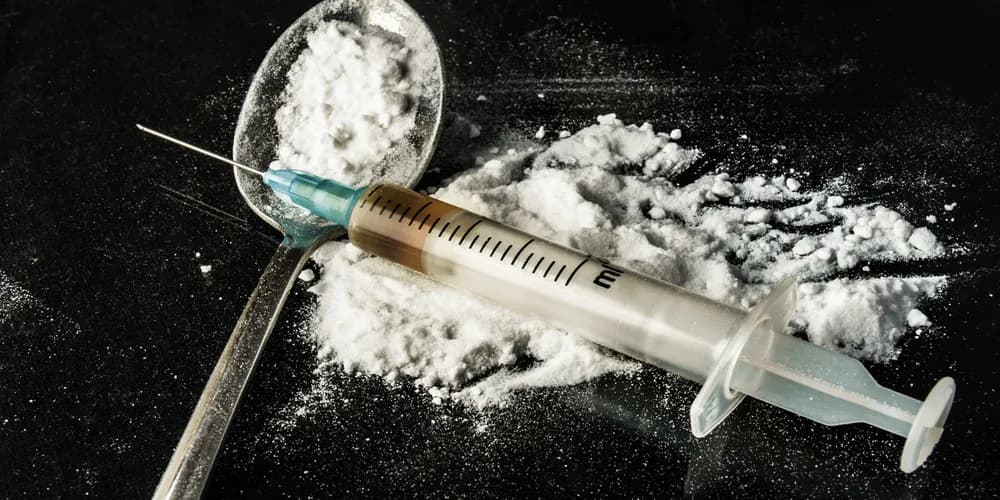
Jammu and Kashmir (J&K) is facing a significant drug crisis, with alarming data indicating both widespread addiction and a severe gender disparity in treatment and support for women users.
Key Statistics:
- Cannabis Use (2022): Approximately 1.08 lakh men and 36,000 women reported usage.
- Opioid Consumption: 5.34 lakh men and 8,000 women were recorded as users.
- Sedatives and Inhalants: 1.6 lakh men and 8,000 women used sedatives, while 1.27 lakh men and 7,000 women were addicted to inhalants.
- Women Drug Users: Women represented only 7% of drug users in J&K, approximately 62,000 individuals in 2023, with addiction often traced to acute anxiety, political unrest, family loss, unemployment, and gender-based pressures.
Gendered Perspectives:
- Women are often stigmatized, leading to social ostracization upon revelation of their addiction. Lack of gender-sensitive support infrastructure aggravates their situation, with no women-only rehabilitation centers in the region and only 10 addiction treatment facilities out of 46 nationwide.
Treatment and Rehabilitation Challenges:
- The shortfall of female counselors compounds the difficulties faced by women, especially given the trauma of abuse many experience.
- The existing stigma inhibits open discussions about addiction, fostering an environment of silence and neglect around women's issues.
- The government's focus has predominantly been on male addiction while women's needs remain largely unrecognized.
Drug Supply and Government Response:
- The heroin addiction trend has surged due to drug supply from northern Indian states and across borders, with local dealers playing a significant role in distribution.
- The government has seized properties belonging to drug peddlers as part of efforts to dismantle trafficking networks. However, this method may adversely affect the social and psychological well-being of communities involved.
Call for Systemic Change:
- Advocacy for treating drug addiction as a public health emergency is crucial, necessitating a coordinated effort by both the government and local communities.
- Public awareness campaigns are needed to reframe drug addiction as a chronic disease rather than a moral failing.
- Calls for creating women's support groups and establishing more gender-sensitive rehabilitation facilities, which prioritize privacy, empathy, and proper funding, are emphasized.
Recommendations:
- Increased vigilance and control measures on drug trafficking routes.
- Building a community-driven approach to support women drug users, ensuring sustainable recovery opportunities.
- Incorporating effective therapy, counseling, and health interventions in treatment programs tailored for women.
Important Sentences:
- J&K faces a drug crisis with a low representation of women in treatment and support systems.
- Women comprise only 7% of drug users, facing stigma and neglect within communities.
- The region has only one rehabilitation center for women, with inadequate facilities for female users.
- Growing heroin addiction among women is exacerbated by the easy availability of drugs and social issues.
- The government has seized properties of drug peddlers but risks compounding social issues.
- A systemic change towards viewing addiction as a public health issue is essential for effective intervention.
- Increased funding and the establishment of women's support structures are recommended for comprehensive care and rehabilitation.
Key Terms & Concepts
| Ministry of Social Justice and Empowerment | Reported drug usage data |
| Jammu and Kashmir | Region affected by drug crisis |
| heroin | Substance of addiction crisis |
| addiction treatment facilities | Infrastructure for recovery |
| Kashmiri women | Affected demographic in crisis |
| gender-based pressures | Social factor in addiction |
| drug mafias | Supply chain facilitators |
| rehabilitation centres | Support for recovery |