iAspirants
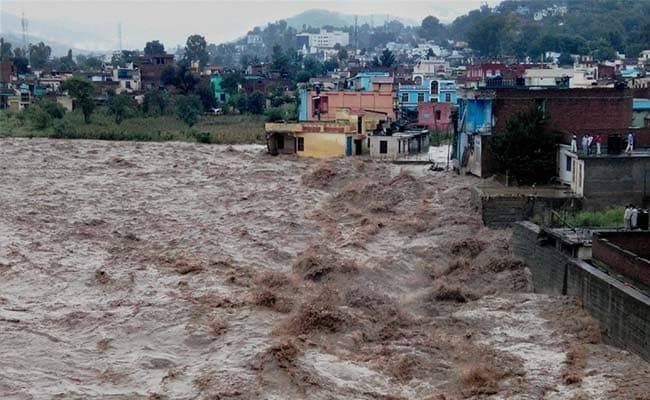
Jammu and Kashmir Faces Flash Floods
Published on:
Share this post
Article Summary
Jammu and Kashmir Floods - Key Facts and Data
Nature of the Disaster:
- Ongoing wet weather led to flash floods and landslides in Jammu and Kashmir.
- At least 22 civilians have reportedly died, with many others missing.
Government Response:
- The Jammu and Kashmir (J&K) Administration has decided to close all educational institutes until July 26, 2025.
- Rescue operations have reported around 230 people rescued and evacuated in Rajouri.
Impact on Infrastructure:
- Roads: Of the 435 damaged roads, 356 have been restored so far.
- Electricity: Power supply remains cut off in parts of Poonch and Rajouri due to damages to electricity towers.
- Relief Centers: Currently, approximately 450 people are taking shelter at relief centers.
Monitoring and Control:
- The J&K administration is closely monitoring the situation with hourly updates coordinated from the Union Home Ministry to local officials.
- Control rooms have been established for reporting emergencies and advisories are in place for residents, urging them to avoid low-lying and sliding areas.
Impact on Pilgrimages:
- The Amarnath Yatra and other pilgrimage activities have been suspended due to safety concerns from the floods.
Political Reaction:
- Mian Altaf, a National Conference leader, emphasized the need for intensified rescue and rehabilitation efforts and immediate restoration of essential services such as roads and power infrastructure.
Mitigation Measures:
- Flood protection and mitigation measures are being reviewed, alongside preparations for upcoming religious events like the Annual Maha Yagya.
- Decisions regarding the, Amarnath Yatra will depend on weather advisories from the India Meteorological Department (IMD).
International Disasters Context:
- Climate change is influencing the frequency and intensity of such weather-related disasters, particularly in sensitive regions like Jammu and Kashmir.
Humanitarian Focus:
- The administration is prioritizing immediate relief and support to affected households, alongside search operations for missing individuals.
Conclusion: The current flood incidents in Jammu and Kashmir underscore the necessity for robust disaster management systems, enhanced infrastructure resilience, and immediate humanitarian efforts for affected populations. Continuous monitoring and adherence to weather advisories are critical in mitigating the impacts of such natural disasters.
Key Terms & Concepts
| India Meteorological Department (IMD) | Predicts further rain |
| Poonch and Rajouri | Severely affected districts |
| 22 civilians | Reported dead from floods |
| 230 people | Rescued and evacuated |
| 450 people | Staying at relief centres |
| 435 damaged roads | Road infrastructure affected |
| 356 roads | Restored roads so far |
| Control rooms | Established for disaster response |
| Mian Altaf | Calls for intensified rescue efforts |
| Annual Maha Yagya | Event in affected areas |
| Amarnath Yatra | Pilgrimage service suspended |
| Flash floods | Natural disaster event |