iAspirants
Japan's Cherry Blossom Tourism and AI
Published on:
Share this post
Article Summary
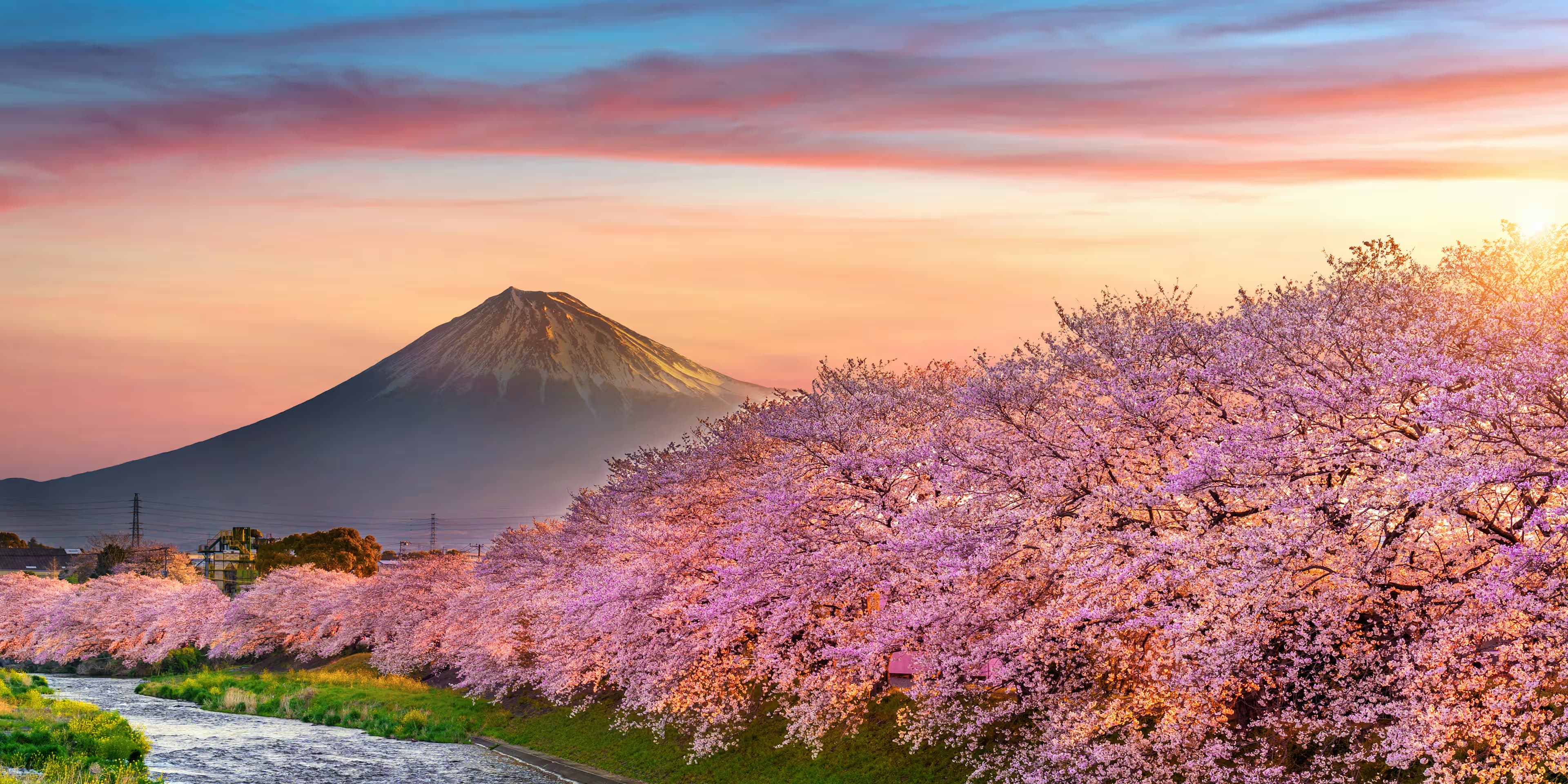
Cultural Significance: The cherry blossoms (sakura) in Japan represent a deep cultural heritage associated with the practice of hanami (flower viewing). This tradition promotes an appreciation for the transient beauty of nature.
Economic Impact: The cherry blossom season fuels a $9-billion tourism industry in Japan, attracting millions of visitors and locals to parks and gardens during the bloom period.
Climate Change Effects: Climate change is destabilizing traditional forecasting methods for cherry blossom bloom times, impacting the hanami tradition.
Technological Integration: Forecasters are increasingly utilizing artificial intelligence to predict cherry blossom blooming times, adapting to changes in environmental patterns while maintaining cultural traditions.
Historical Context: Japan's former calendar included 72 micro-seasons (shichijuni ko), which facilitated a deeper connection to nature and defined agricultural practices, influencing crop calendars and seasonal activities.
Aesthetic and Cultural Values: The aesthetic approach to time in Japanese culture contrasts with modern perceptions, demonstrating a slower, more reflective pace of life, vital for maintaining cultural rituals amidst technological advancements.
Literary Reflection: The sentiments expressed by Inoue Seigetsu accentuate the connection between nature, time, and cultural practices, emphasizing the importance of cherishing ephemeral experiences.
Key Terms & Concepts
| Cherry tree blossoms | Symbol of Japanese culture |
| $9-billion tourism industry | Economic impact of tourism |
| Climate change | Affects bloom prediction |
| Artificial intelligence | Forecasting bloom timing |
| Hanami | Cultural flower viewing tradition |
| 72 micro-seasons | Traditional seasonal calendar |
| Gregorian calendar | Modern timekeeping method |