iAspirants
Joint Ventures Boost Solar Power Projects
Published on:
Share this post
Article Summary
Exam-Focused Notes on PSU Joint Ventures for Solar Power Projects
Key Facts & Data
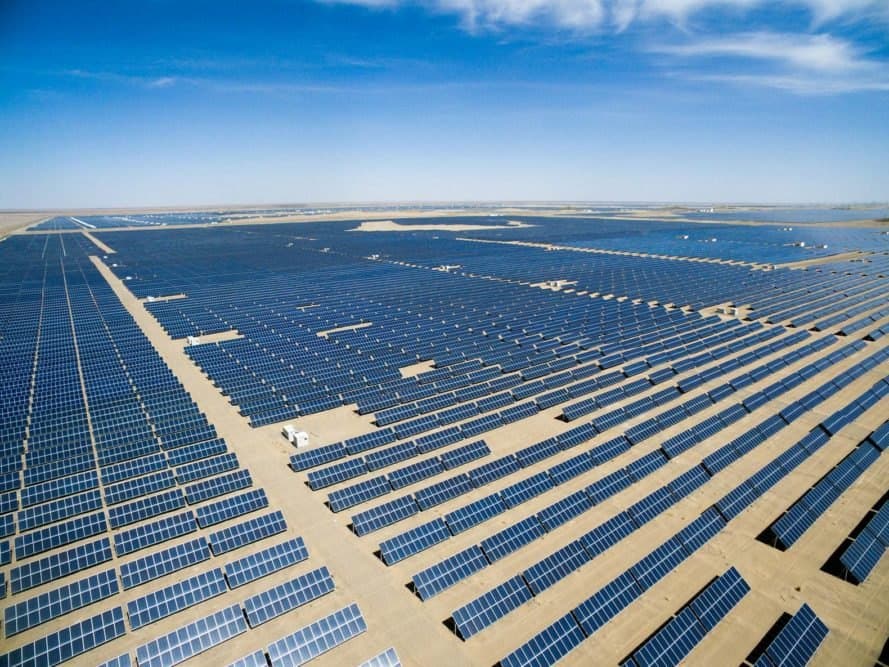
- Land Requirement: Utility-scale solar installations require approximately 4-7 acres of land per megawatt (MW).
- Potential Land Requirement: To harness India’s full solar potential, an estimated 1.4-2 million hectares of land will be needed.
- Joint Ventures (JVs): Public Sector Undertakings (PSUs), including NHPC, SJVN, and NGEL, are forming joint ventures with state governments to facilitate land acquisition for solar projects.
Constitutional References
- Land as a State Subject: According to the Constitution of India, land acquisition is primarily governed by state laws, complicating solar power project development.
Government Schemes & Policies
- Ministry of New and Renewable Energy (MNRE): Actively encourages identification of government land to expedite the solar energy project applications.
- Single-Window Clearance Mechanism: Suggested by the Parliamentary Standing Committee (PSC) on Energy, this mechanism aims to streamline land-related approvals and expedite the identification of land issues.
Key Judicial and Committee Reports
- PSC Report: Highlights the effectiveness of JVs in improving coordination with state governments, thereby reducing litigation and pre-construction delays.
- CAG Report: Identified delayed land acquisition as a significant barrier to establishing required solar capacity, emphasizing the overlap of suitable land with agriculturally critical and ecologically sensitive areas.
Economic Indicators
- Investment & Equity: Under the JV model, states take equity stakes ranging from 26% to 49%, facilitating smoother land acquisition processes.
Land Acquisition Challenges
- Fragmented Ownership: Complications arising from fragmented land ownership and varying compensation rates due to state-specific policies.
- Grid Connectivity Issues: Delays in accessing the Inter-State Transmission System (ISTS) have hindered project execution, sometimes pushing timelines beyond 2027.
Recommendations & Future Strategies
- Utilization of Government Land: The MNRE advocates for prioritizing government land over private land to mitigate acquisition complications.
- Coordination Mechanism: The PSC has recommended establishing a collaborative approach bringing together central and state stakeholders to tackle land-related issues swiftly.
Environmental Implications
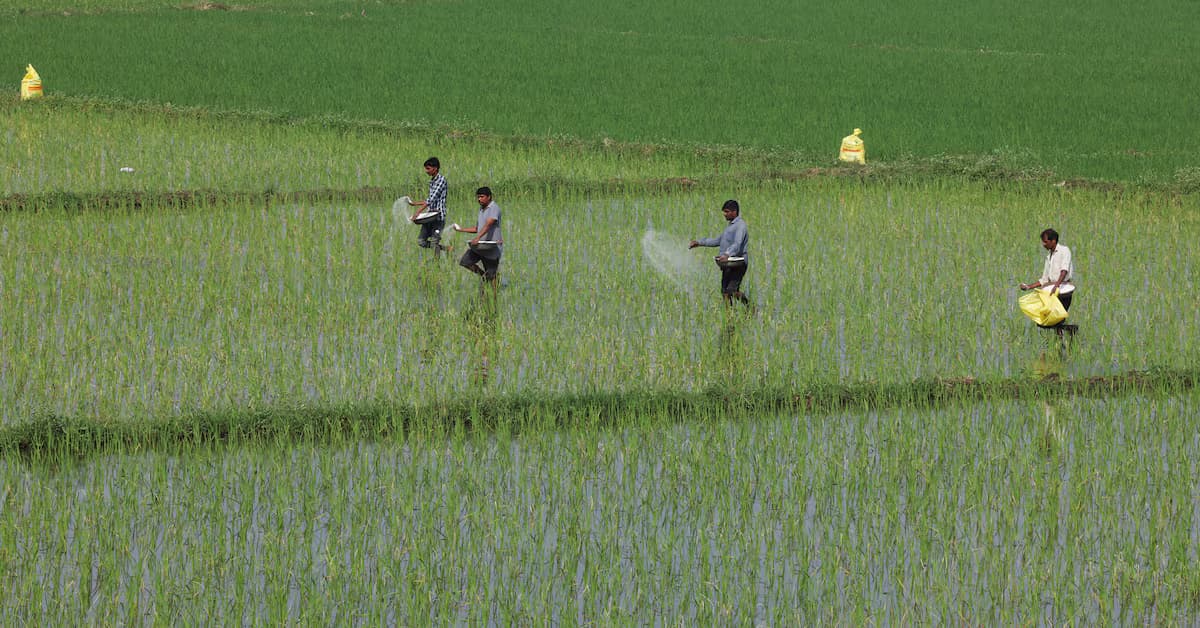
- The competition for land suitable for solar projects impacts food security and ecological conservation, necessitating careful consideration of land use priorities.
These notes encapsulate the current challenges and strategic frameworks for advancing solar power development in India through collaboration between PSU companies and state governments, while addressing the complexities of land acquisition.
Key Terms & Concepts
| Joint Ventures (JVs) | Facilitating land availability |
| National Hydroelectric Power Corporation (NHPC) | Participating in solar JVs |
| Satluj Jal Vidyut Nigam (SJVN) | Participating in solar JVs |
| NTPC Green Energy Ltd (NGEL) | Participating in solar JVs |
| Ministry of New and Renewable Energy (MNRE) | Regulatory oversight and guidance |
| Parliamentary Standing Committee on Energy | Reviewing solar project status |
| Comptroller and Auditor General of India (CAG) | Reporting land acquisition issues |
| Inter-State Transmission System (ISTS) | Grid connectivity for projects |
| Single-window clearance mechanism | Facilitating quicker land resolutions |
| 1.4-2 million hectares | Land requirement for solar capacity |