iAspirants
Karnataka Faces Teacher Shortage Crisis
Published on:
Share this post
Article Summary
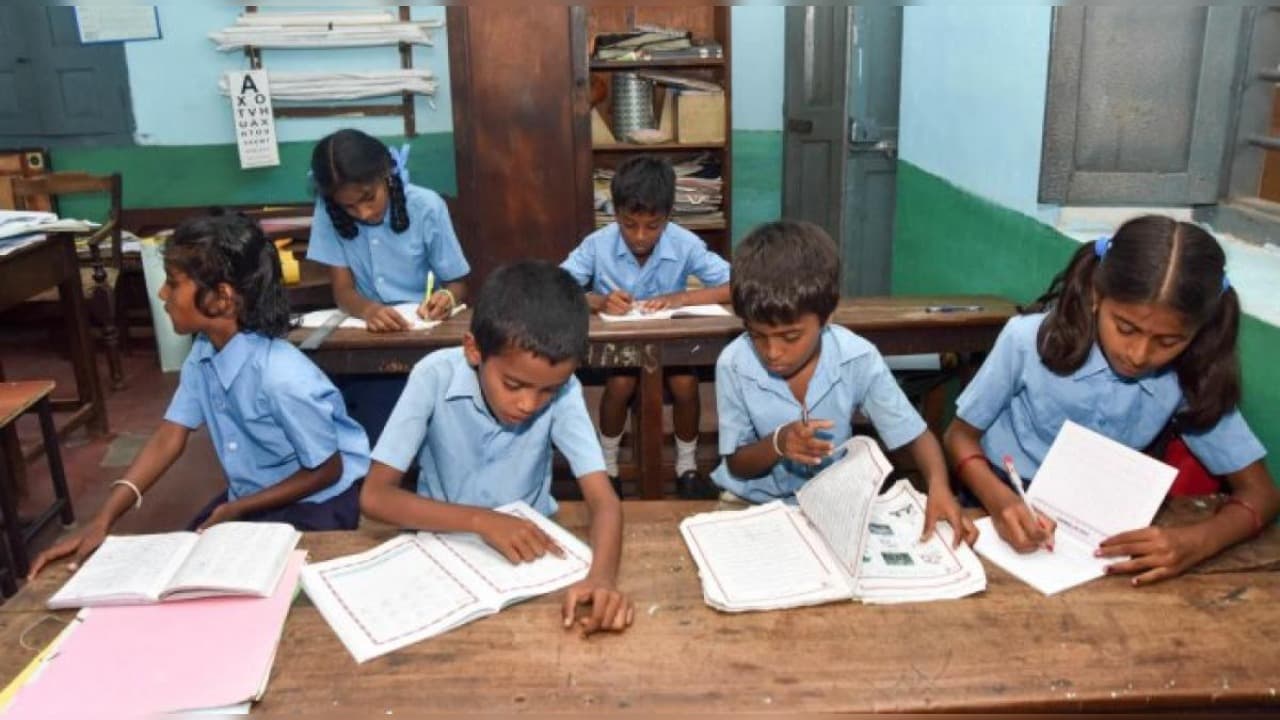
The article discusses the significant shortage of teaching faculty in Karnataka's government-run educational institutions, ranging from primary schools to professional colleges, which has severely hampered the quality of education in the state. Various factors, including recent judicial rulings and administrative challenges, have contributed to this crisis, leading to major implications for student learning and institutional reputation.
Key Points:
Deputation of Faculty: A chemistry lecturer has been assigned to two colleges to cover shortages, affecting students' continuity in learning and their exam performance.
Vacancy Statistics: Karnataka faces a staggering 85,495 vacant teaching posts in government educational institutions, with only 1,99,608 out of sanctioned 2,85,103 positions filled. This includes:
- 46,776 government schools catering to around 52 lakh students, where 61,525 teacher posts remain vacant despite 2,32,937 sanctioned positions.
- 1,229 pre-university colleges with 12,923 lecturer positions, where only 8,150 posts are filled.
- Significant vacancies also exist in 32 public universities with only 2,171 out of 5,653 sanctioned posts filled.
Court Rulings: The National Medical Commission (NMC) denied the opening of two new medical colleges in Bangalore citing faculty shortages. A court decision in September 2024 mandated that guest faculty must hold minimum qualifications per UGC standards, resulting in over 5,500 guest lecturers losing their posts.
Government Responses:
- The Minister for School Education and Literacy has indicated that 14,499 graduate teachers were recruited recently, with plans to fill an additional 10,267 posts as announced in the current budget.
- The Minister for Higher and Technical Education stated they are addressing the lack of faculty in government colleges, aiming to create new posts in line with emerging educational demands like AI, robotics, etc.
Quality of Education Concerns: The absence of qualified faculty is linked to declining educational outcomes. For instance, SSLC and II PU results in state curriculum schools have not exceeded 75% success rates, contrasting sharply with over 80% in Central curriculum schools.
NAAC Assessments: The National Assessment and Accreditation Council (NAAC) highlights the scarcity of teaching staff, poor quality of teaching, and lack of infrastructure leading to low national rankings for Karnataka institutions.
Declining Enrollment: Reduced student enrollment in Karnataka's public universities, attributed to faculty shortages, is pushing students toward private institutions. Recent reports indicate that certain departments at the University of Mysore failed to recruit students due to low application numbers.
Historical Context: There has been a long-standing neglect of public universities, as voiced by education stakeholders, who call for a focus on strengthening existing institutions rather than establishing new ones without adequate staffing.
Future Projections: The NAAC recommends filling approximately 20,000 vacancies in higher education within five years, emphasizing the detrimental effects of relying on guest lecturers.
Ministerial Action: The government has initiated actions to resolve the faculty shortages through a sub-committee led by the Deputy Chief Minister, along with plans to file a report addressing the urgent need for filling vacancies in educational institutions.
Rights in Education: Calls for legislation to ensure the "Right to University Education" highlight the need for structural reforms to improve educational standards and accessibility, particularly for marginalized communities.
This situation within Karnataka's educational framework signifies a critical challenge to maintaining high educational standards, urging immediate attention from both state authorities and educational policymakers.
Key Terms & Concepts
| Karnataka | State experiencing teacher shortages |
| National Medical Commission (NMC) | Rejected request for new colleges |
| Right to Education Act, 2009 | Legislation on education rights |
| Indian Institute of Science (IISc) | Prestigious educational institution |
| National Law School India University (NLSIU) | Top law university |
| Indian Institute of Management Bangalore (IIMB) | Reputed management institution |
| University Grants Commission (UGC) | Body regulating higher education |
| National Assessment and Accreditation Council (NAAC) | Quality assessment agency |