iAspirants
Kashmiri Sufiyana Music UNESCO Nomination
Published on:
Share this post
Article Summary
Summary Notes on Sufiyana Mousiqi and UNESCO Inclusion Bid
Cultural Significance
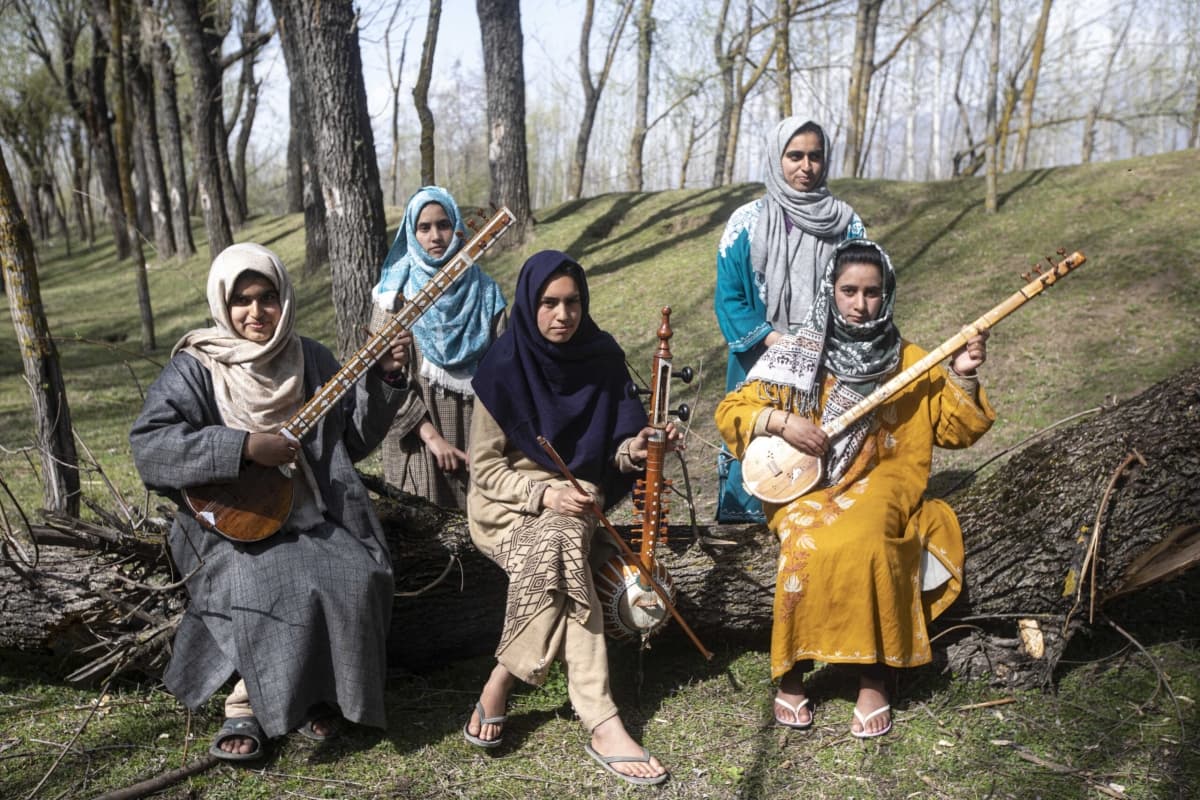
- Sufiyana Mousiqi: A traditional music form from Kashmir, believed to be in practice since the 15th century. It involves muqams or ragas, representing a synthesis of devotional poetry, classical melody, and philosophical depth.
- Rich Heritage: Sufiyana music reflects the historic ethos of Kashmir shaped by Sufi mysticism, promoting harmony and cultural dialogue.
Official Recognition and Support
- Letter from J&K Chief Minister: Omar Abdullah has formally requested the inclusion of Sufiyana Mousiqi in UNESCO's Intangible Cultural Heritage of Humanity.
- Cultural Legacy: The Chief Minister posited that recognition by UNESCO would enhance international visibility and aid in preserving this cultural tradition for future generations.
Proposal Preparation and Advocacy
- INTACH's Role: The Indian National Trust for Art and Cultural Heritage (INTACH) prepared the proposal for UNESCO, highlighting Sufiyana music as a distinguished manifestation of Jammu & Kashmir’s cultural and spiritual heritage.
- Expert Opinion: Saleem Beg from INTACH asserted that Sufiyana Mousiqi satisfies the core criteria for nomination under the UNESCO Intangible Cultural Heritage framework.
Historical Context and Development
- Emergence Timeline: Sufiyana Mousiqi developed between the 14th and 15th centuries when Kashmir was a cultural crossroads between India, Persia, and Central Asia due to the influence of Sufi saints and musicians.
- Cultural Exchange: The fusion of local traditions with Persian and Central Asian music created a unique form reflective of Kashmir's composite culture.
Characteristics of Sufiyana Mousiqi
- Composition and Performance: Traditionally, Sufiyana music features instrumental preludes and unmetered poetry, utilizing instruments such as the santoor, ney, harmonium, rabab, tabla, and sitar.
- Current Status: Sufiyana Mousiqi consists of around 54 maqams, of which 20-25 are currently practiced.
UNESCO's Precedents
- Previous Recognitions: Other intangible heritage art forms recognized by UNESCO include Vedic Chanting, Ramlila, Mudiyettu, Buddhist Chanting, Kumbh Mela, Durga Puja, and Garba.
Conclusion
The formal bid for the inclusion of Sufiyana Mousiqi in UNESCO's Intangible Cultural Heritage list emphasizes the need for global recognition. It aims not only to safeguard this art form but also to celebrate and promote the composite culture of Jammu & Kashmir.
Key Terms & Concepts
| Sufiyana Mousiqi | Intangible cultural heritage proposal |
| UNESCO | International recognition body |
| Indian National Trust for Art and Cultural Heritage (INTACH) | Prepared UNESCO nomination proposal |
| Kashmir | Cultural heritage site |
| Omar Abdullah | Chief Minister supporting nomination |
| INTACH Kashmir chapter | Local cultural heritage organization |
| Sufi traditions | Cultural influence on music |
| 50-54 maqams | Musical structures in Sufiyana Mousiqi |
| Persia, Central Asia, India | Cultural crossroad influences |
| Instrumental prelude | Musical performance feature |
| Instruments: santoor, ney, harmonium, rabab, tabla, sitar | Traditional instruments used |
| Intangible Cultural Heritage Convention | UNESCO framework for heritage |