iAspirants
Current AffairsPrelims PYQsUPSC CSE SyllabusUPSC CSE StrategyBlogsPricing
Login
iAspirants

Your AI-powered companion for UPSC preparation.

Quick Links

  • Home
  • About Us
  • Current Affairs
  • Prelims PYQs
  • UPSC CSE Syllabus
  • UPSC CSE Strategy
  • Blogs

Company

  • Pricing
  • FAQs
  • Contact Us
  • Login

Legal

  • Privacy Policy
  • Terms & Conditions
  • Return Policy

© 2025 iAspirants, Inc. All rights reserved.

  1. Blogs
  2. Environment and Ecology

Kerala Board Issues Closure Notice

Published on: 04-Sep-2026

Share this post

Kerala Board Issues Closure Notice

Article Summary

  • Legal Framework:

    • Closure notice was issued to Alliance Marine Products under Section 32 of the Water (Prevention and Control of Pollution) Act, 1974, which mandates action against activities leading to water pollution.
  • Incident Overview:

    • On September 1, 2026, water in the Periyar River was observed to have turned white, developing a layer of frothy foam.
    • The Kerala State Pollution Control Board (PCB) and the Environment Surveillance Centre conducted inspections following reports from local residents.
  • Findings:

    • PCB officials discovered unauthorised effluent discharge through stormwater outlet pipes and improper cleaning of vehicles used for transporting chicken waste with hydrogen peroxide, leading to violations of environmental norms.
  • Company Response:

    • A senior representative from Alliance Marine Products countered allegations, asserting that a lean discharge was identified and claimed the white foam had been observed in the river prior to their operations. They invited independent verification of sample results from the river and their premises.
  • Related Entities:

    • The PCB also sought explanations from Fertilizers and Chemicals Travancore Limited (FACT) regarding potential discharge contributing to river pollution, following earlier indications of a gel-like foam in the river that might be linked to industrial activities.
  • Local Impact:

    • The frothy water was first reported by local residents near the Pathalam bund, leading to an investigation by environmental officials.
  • Pollution Control:

    • The PCB's actions are part of ongoing efforts to uphold water quality standards and regulate industrial waste management in accordance with environmental protection laws.

This summary covers critical facts, legal references, and measures being taken by the Kerala State PCB following the pollution incident.

Key Terms & Concepts

Kerala State Pollution Control BoardEnforces pollution control measures
Alliance Marine ProductsClosure notice recipient
Periyar RiverAffected water body
Water (Prevention and Control of Pollution) Act, 1974Legal basis for closure notice
September 1, 2026Date of incident occurrence
September 3, 2026Closure notice issued
Fertilizers and Chemicals Travancore Limited (FACT)Investigated for discharge
Hydrogen PeroxideChemical involved in cleaning
Environment Surveillance CentreConducts inspections

Mind Map for UPSC Civil Services Revision

Turn UPSC Civil Services Current Affairs Into Exam-Ready Notes

Reading Environment and Ecology current affairs is half the work. Revise them with ready-made notes and test what actually stuck.

  • Daily UPSC Civil Services current affairs analysis
  • Revision notes, mind maps & MCQs
  • Prelims mock tests with instant results

Related UPSC Civil Services Current Affairs Articles

Farmers Protest Ecological Sensitive Zone Proposal
Environment and Ecology04-Sep-2026

Farmers Protest Ecological Sensitive Zone Proposal

Summary of Key Points Related to the Proposal for Ecologically Sensitive Areas (ESA) in the Western Ghats:

Protests by Farmers:

  • Farmers from Hosanagara taluk, Shivamogga district, are protesting against the draft notification for declaring large parts of the Western Ghats an ESA.
  • The protest march of about nine kilometers highlights demands for a physical survey of land to exclude human settlements and cultivated areas from ESA boundaries.
  • Historical Context and Developments:

    • The movement for conserving the Western Ghats began with a significant march in 1987, involving environmentalists and scientists.
    • An expert panel, the Western Ghats Ecology Expert Panel (WGEEP), was established in 2010 under Prof. Madhav Gadgil to recommend conservation measures. The panel's report was submitted in 2011 but faced delays and resistance before release.
    • The WGEEP report advocated for a “people-oriented model of development,” emphasizing financial incentives for farmers, similar to the Australian Soil Carbon Accreditation Scheme.

    Recommendations and Opposition:

    • A High-Level Working Group (HLWG) was later formed to prepare an actionable plan, submitting a report in 2013 that proposed declaring 37% of the Western Ghats, approximately 59,940 sq km, as an ESA, with Karnataka's share being 20,668 sq km.
    • Proposed restrictions include bans on mining, red-category industries, and limitations on housing projects, which have been opposed by local state governments, especially in Kerala and Karnataka.

    Current Notification and Public Response:

    • The most recent draft notification (July 27, 2026) proposes a total ESA area of 56,825.7 sq km, affecting 1,449 villages across multiple districts in Karnataka.
    • The public has raised fears over existing hardships under current forest laws, which limit access to basic amenities.

    Comparative Responses:

    • Residents are calling for a similar approach to that of Kerala, which reduced its ESA area significantly after conducting a physical survey, thereby minimizing impact on agricultural and urban development.

    Legislative Actions and Future Steps:

    • The Karnataka Cabinet announced a special legislative session to discuss the draft notification and concerns over the Kasturirangan report. The Cabinet is poised to oppose the ESA draft as articulated by various leaders.

    Socioeconomic Concerns:

    • Farmers, particularly those cultivating plantation crops, express concerns about restrictions on fertilizers and agricultural practices, fearing negative impacts on their livelihoods.
    • Community activists and organizations are organizing protests and collecting objections to influence government decisions regarding the ESA.

    Judicial and Administrative Aspects:

    • Ongoing legal battles over the disclosure of WGEEP's comprehensive report highlight struggles for transparency in environmental governance.
    • Voter mobilization and political engagement have intensified as part of the push to prioritize local livelihoods in ESA discussions.

    Environmental Considerations:

    • The debate over ESA designation places ecological preservation against economic and social realities faced by residents in the Western Ghats, emphasizing the need for balanced conservation strategies.

    Conclusion: The issue surrounding the proposed ESA reflects deep-rooted tensions between ecological conservation efforts and the socioeconomic needs of communities reliant on agriculture in the Western Ghats region. The outcomes of ongoing legislative discussions and public protests will significantly impact both environmental policies and local livelihoods in the area.

    Economic Value of Mangrove Ecosystems
    Environment and Ecology03-Sep-2026

    Economic Value of Mangrove Ecosystems

    Summary of Key Facts and Data on Pichavaram Mangrove Ecosystem

    Economic Valuation of Ecosystem Services

    • Total Economic Value (TEV): ₹2,485.38 crore (approx. $289 million).
    • Value per hectare: ₹1.83 crore.
    • Breakdown of Economic Value:
      • Provisioning services (Fish, Crab, Shrimp): ₹3.47 crore
      • Coastal protection function: ₹147.17 crore
      • Nutrient cycling: ₹10.53 crore
      • Oxygen regulation: ₹181.22 crore
      • Carbon sequestration (annual flow): ₹26.86 crore
      • Biodiversity conservation: ₹19.48 crore
      • Recreational and tourism value: ₹484.25 crore
      • Carbon stock value (vegetation): ₹387.77 crore
      • Soil organic carbon: ₹1,224.63 crore

    Ecosystem Significance

    • Ecological Importance: Home to diverse species, supports fisheries productivity, and acts as a vital coastal protection barrier.
    • Climate Regulation: Critical for carbon sequestration, the average carbon stock in mangrove vegetation is 79.449 tonnes per hectare (approximately 291.33 tonnes of CO2).
    • Soil Carbon Reservoir: Average soil organic carbon stock of 251.14 tonnes per hectare, valued at ₹90.24 lakh per hectare, totaling ₹1,224.63 crore.

    International Context

    • IUCN Assessment (2024): 50% of global mangrove ecosystems at risk of collapse.
    • Emphasizes the need for comprehensive assessments of mangrove ecosystems amid increasing climate change impacts and biodiversity loss.

    Research Background

    • Study Conducted by: M. Balasubramanian, Centre for Ecological Economics and Natural Resources, Bengaluru.
    • Data Collection: Involves primary data from 302 households in five mangrove-dependent villages (MGR Thittu, Kalaignar Nagar, Chinnavaikal, Patriadi, and Mudasalodai).
    • Funded by the Deputy Conservator of Forests, Forest Genetics Division, Coimbatore.

    Policy Recommendations

    • Integration into Coastal Development: Incorporate ecosystem service valuation into development planning and decision-making.
    • Recognition of Mangroves: Considered critical for climate adaptation and disaster risk reduction.
    • Blue Carbon Financing: Development of carbon credit programs and Payment for Ecosystem Services (PES) schemes.
    • Natural Capital Accounting: Emphasize incorporation in Green GDP frameworks.
    • Sustainable Livelihoods: Promote eco-tourism, community-based conservation, and fisheries for long-term ecological management.

    Conclusion

    This study underlines the importance of mangroves, not just ecologically but also economically. It calls for incorporating their value in broader frameworks to not only safeguard these ecosystems but also leverage their benefits for community livelihoods and climate resilience. The data presented is crucial for policy makers and environmental planners to justify protective measures for mangrove ecosystems.

    Green Highways Excellence Awards 2026 Announced
    Environment and Ecology03-Sep-2026

    Green Highways Excellence Awards 2026 Announced

    Green Highways Excellence Awards 2026

    Overview:

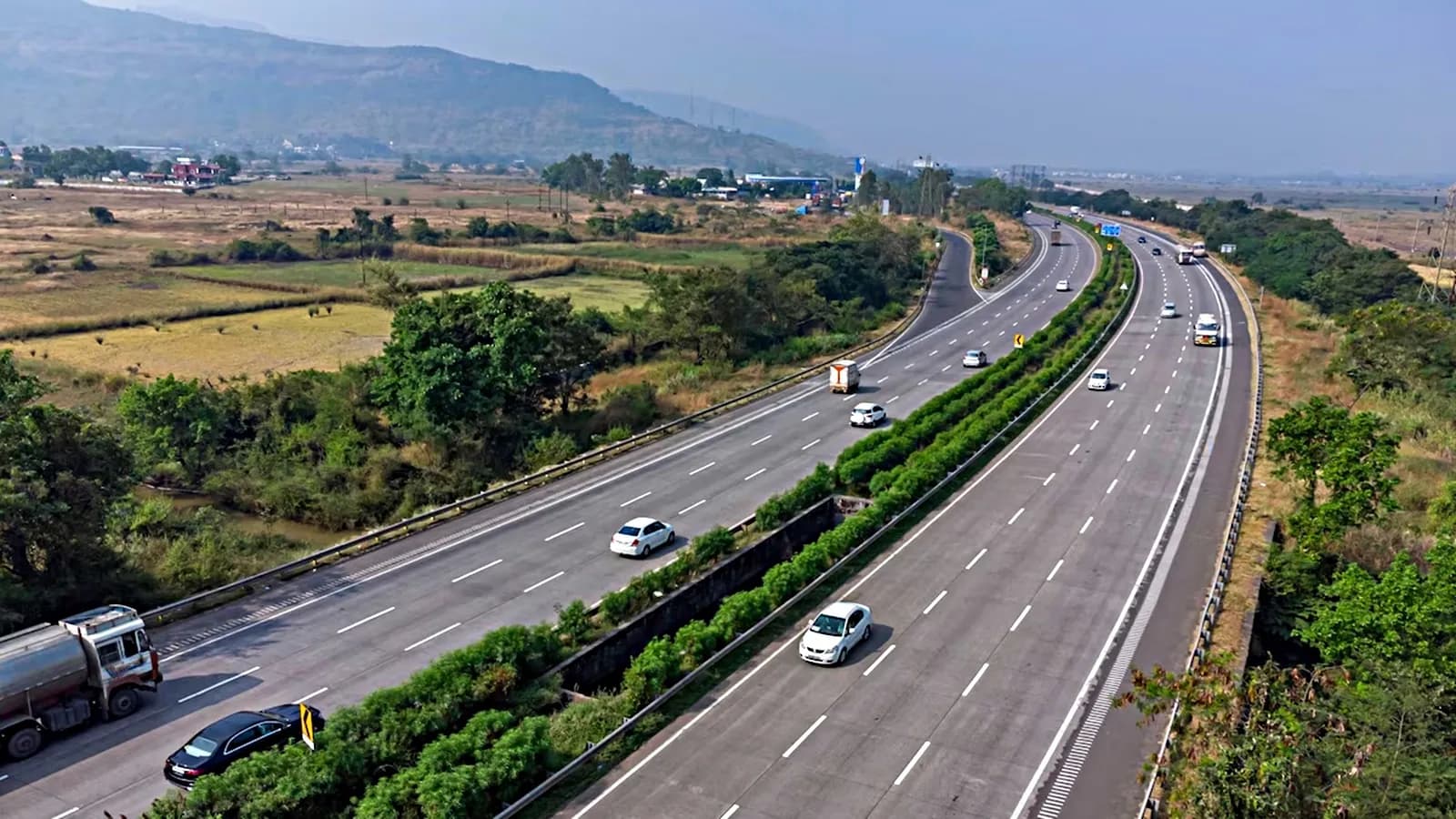
    • The National Highways Authority of India (NHAI) has launched the 'Green Highways Excellence Awards 2026' to promote excellence in adopting sustainable green practices in national highway projects.

    Purpose:

    • The awards aim to recognize best practices in green and plantation management along national highways, enhancing healthy plantation practices.

    Categories of Awards:

    1. Roadside Plantation

      • 1st Prize: Expansion of Chilakaluripet Bypass on NH 16, Andhra Pradesh.
      • 2nd Prize: Vadodara-Kim Expressway section, Vadodara-Mumbai Expressway, Gujarat.
      • 3rd Prize: Gagariya-Bakhasar and Satta-Gandhav sections of NH-925, Rajasthan.
      • Consolation Prize: Annual maintenance of NH-210 and NH-336 sections, including incident management.
    2. Median Plantation

    India's Commitment to Green Shipping
    Environment and Ecology03-Sep-2026

    India's Commitment to Green Shipping

    Key Highlights on Green Shipping Initiatives in India

    Government Initiatives and Policies

    • Minister Involvement: Union Minister Sarbananda Sonowal emphasized the need for India's ports to rapidly prepare for green fuels as part of the transition to low-carbon maritime trade.
    • Green Shipping Corridor: India aims to establish a zero-emission shipping corridor as a significant step towards carbon-neutral maritime operations by 2026.
    • National Centre of Excellence for Green Ports and Shipping (NCOEGPS): This initiative aims to assist the Ministry of Ports, Shipping, and Waterways in advancing carbon-free operations in the maritime sector.

    Key Actions and Developments

    • Focus Areas: The review included progress on proposed green shipping corridors and port preparations for alternative fuels, showcasing the government's commitment to cleaner maritime trade routes.
    • Rocky Mountain Institute (RMI): Presented efforts to develop low and zero-emission shipping corridors and accelerate the adoption of cleaner fuels and technologies within the shipping ecosystem.
    Urgent UNEP Report on Global Warming
    Environment and Ecology03-Sep-2026

    Urgent UNEP Report on Global Warming

    Summary of Key Points

    Global Climate Goals and Warming Limits

    • The UNEP has outlined an "overshoot, peak and decline" pathway to address global warming, acknowledging that breaching the 1.5°C limit set by the 2015 Paris Agreement is now unavoidable.
    • The report, titled "Limiting Overshoot," asserts global warming will surpass 1.5°C in the near future, with projections indicating a peak warming of 1.8°C if countries adhere to their national climate plans.
    • Current policies project a temperature rise of about 2.6°C by 2100 (range: 1.9–3.6°C).

    COP30 Decisions

    • The 30th UN Climate Change Conference (COP30) in 2025 acknowledged the likelihood of a temporary overshoot, leading to the “Global Mutirão” decision.
    • Countries have pledged to manage the size and duration of the overshoot and address adaptation gaps with significant emission cuts and nature-based solutions like reforestation.

    Impacts of Global Warming

    International Warnings from Himalayan Disasters
    Environment and Ecology02-Sep-2026

    International Warnings from Himalayan Disasters

    Summary Notes:

    1. Diplomacy and Conflict Resolution:

      • Prime Minister Narendra Modi emphasized the need to shift from an “endless war” to an “end of war,” promoting dialogue and diplomacy as essential means for resolving international conflicts. This highlights India's stance on international relations, encouraging diplomatic negotiations over military solutions.
    2. Himalayan Disasters and Ecological Concerns:

      • The ongoing ecological challenges in the Himalayan region, highlighted by recent disasters in Nepal, emphasize the fragile geological characteristics of the area.
      • Past disasters (e.g., the 2013 Uttarakhand disaster, 2021 Chamoli tragedy) illustrate a repetitive governmental response pattern of compensation and temporary committees without substantial preventive measures or long-term planning.
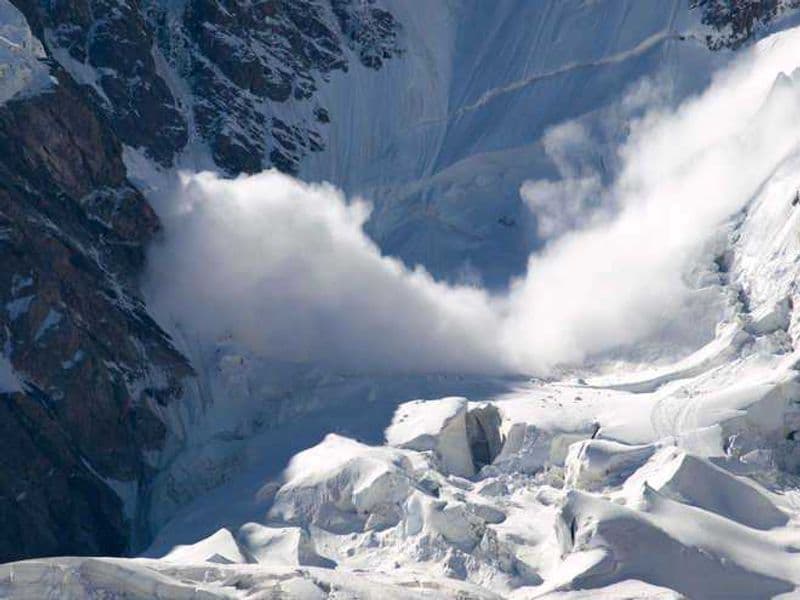
      • Current scientific investigations are focusing on the implications of high-altitude rock-and-ice avalanches and the impact of climate change on glacier melting in the Himalayas.
      • The need for reevaluating development models is underscored; a greater emphasis on ecological assessments for infrastructure projects is recommended.
    3. Local Community Engagement:

      • It is essential to involve local communities as active stakeholders in the development process rather than as mere recipients of compensation after disasters.
    4. Development vs. Ecological Cost:

      • The debate on development priorities continues, where rapid developments such as highways and tunnels may incur significant ecological costs.
      • There is a growing concern that the region is becoming economically reliant on tourism and construction, which may lead to unsustainable practices.
    5. Economic Implications:

      • Infrastructure projects must consider cumulative ecological impacts and not merely the immediate benefits of increased traffic and connectivity.
      • The discussion encourages local economies to diversify beyond construction, contracting, and real estate to ensure sustainable development.
    6. International Recognition:

      • The recognition of ecological and geological fragility in the Himalayas presents the opportunity for international collaboration on environmental protection and disaster preparedness initiatives.
    7. Future Implications:

      • The overarching lesson from recent disasters is the pressing need for reflective and precautionary approaches to development, particularly in ecologically sensitive regions like the Himalayas.
      • Continuous monitoring of the ecological situation and rigorous planning may safeguard communities and the environment from foreseeable future disasters.

    This synthesis illustrates critical themes emerging from the recent discourse on international relations and environmental challenges that have implications for policy, development, and community engagement in India and the broader Himalayan region.

    International Workshop on Tiger Conservation
    Environment and Ecology02-Sep-2026

    International Workshop on Tiger Conservation

    Exam-Focused Notes on International Workshop on Tiger Conservation

    Event Overview

    • Title: International Workshop on "Tiger Landscapes: Conservation, Bio-economy and Eco-tourism as Pillars for Livelihood and Income Generation"
    • Date: September 2-3, 2026
    • Location: New Delhi, India
    • Organizers:
      • International Big Cat Alliance (IBCA)
      • Asian Development Bank (ADB)
      • Ministry of Environment, Forest and Climate Change (MoEFCC)
      • National Tiger Conservation Authority (NTCA)

    Key Participants

    • Bhupender Yadav, Minister of Environment, Forest and Climate Change
    • Tanmay Kumar, Secretary (MoEFCC)
    • Sushil Kumar Asthana, DG (Forests) & Special Secretary (MoEFCC)
    • SP Yadav, DG of IBCA
    • Mia Oka, Country Director for ADB in India

    Objectives of the Workshop

    • Promote recognition of tiger landscapes as natural capital.
    • Highlight the importance of ecosystem services.
    • 1st Prize: Expansion of NH 163, Hyderabad-Yadgiri section.
    • 2nd Prize: Vadodara-Mumbai Expressway, Sanpa to Padra section, Gujarat.
    • 3rd Prize: Varanasi Ring Road, Package-I, NH-31, Uttar Pradesh.
  • Plot Plantation

    • 1st Prize: Jamtha Clover Leaf on NH-44, Nagpur.
    • 2nd Prize: Monetization of publically funded operational national highway projects under tolling.
    • 3rd Prize: Miyawaki plantation at the Lucknow-Ayodhya Road and Lucknow Outer Ring Road junction, Uttar Pradesh.
  • Participation and Evaluation:

    • NHAI received 86 nominations from various stakeholders including regional offices, concessionaires, contractors, governmental agencies, NGOs, and private agencies involved in plantation projects.
    • Categories received nominations as follows: 27 for roadside, 36 for median, and 23 for plot plantations.
    • Each nomination included presentations with geo-tagged photos, drone videos, site-specific plantation plans, and survival rate data of plants.
    • After initial screening, 15 nominations were shortlisted for final evaluation, focusing on survival rates of plantations, site-specific plans, timing of works, and quality of planting materials.

    Judging Criteria:

    • Evaluation was based on a comprehensive framework emphasizing:
      • Survival rates of gardens.
      • Specific plantation work plans.
      • Quality of planting materials.
      • Implementation adherence to approved designs.
      • Diversity and suitability of species used.
    • Special emphasis was placed on the potential for replication across the national highway network, sustainability, and effectiveness.

    Policy Context:

    • The establishment of the 'Green Highways Excellence Awards' aligns with the Green Highways Policy, 2015, reinforcing NHAI's commitment to environmental sustainability alongside national highway development.

    Significance:

    • These awards strengthen NHAI's dedication to sustainable practices in infrastructure development, contributing to both environmental preservation and national highway enhancement.
  • Port Authorities Updates:
    • Dinhayal Port Authority, Paradip Port Authority, V.O. Chidambaranar Port Authority: Reported progress on establishing green fuel bunkering hubs.
    • Kamarajar Port Limited: Implemented shore power supply systems at coal terminals to reduce emissions by allowing ships to use onshore electricity instead of onboard engines.
  • Environmental Goals

    • Sustainable Development: The initiatives underscore the collaboration between the government, ports, research institutes, and knowledge partners to achieve sustainability targets in India's maritime sector.
    • Commitment to Clean Shipping: Sonowal reiterated the importance of green shipping in positioning India as a leading maritime power, stating that collective efforts would drive global changes in the sector.

    Economic and Technological Implications

    • Infrastructure Development: Steps taken for strengthening infrastructure for alternative and green marine fuels, enhancing competitiveness and sustainability in the maritime sector.
    • Future Preparedness: The initiatives highlight the aim to create a more competitive and future-ready maritime industry through cleaner operations.

    Conclusion

    The government's focus on green shipping and the establishment of sustainable practices in the maritime sector reflect India's ambition to lead in global carbon neutrality efforts. The collaborative approach involving various stakeholders is crucial for the successful implementation of these green initiatives.

    • Prolonged warming above 1.5°C could lead to severe consequences:
      • Faster sea-level rise
      • Coral reef collapse
      • Loss of glaciers with a decline exceeding 25% by 2100
      • A potential reduction of 14% in global food production by 2050 without effective adaption.
      • Increased risks of tipping points in critical environmental systems, such as ice sheets and ocean currents.

    Carbon Emissions Insights

    • The UNEP report indicates that every five years of high emissions contributes an additional 0.1°C to peak warming. To counter this, around 220 billion tonnes of CO2 would need to be removed from the atmosphere.
    • Effective carbon dioxide removal must complement emission reductions, with peak warming needing to stay below 2°C for significant cooling back to the 1.5°C limit.

    Methane Emissions

    • The report highlights methane as a critical factor, responsible for approximately 0.5°C of current warming.
    • Proposals include reducing ~60–70 million tonnes of methane to achieve a cooling effect equivalent to removing 220 billion tonnes of CO2.
    • The Global Methane Pledge, endorsed by 155 countries, aims for a 30% reduction in anthropogenic methane below 2020 levels by 2030. Major emitters like India, China, Russia, and Iran are not signatories.

    Institutional Responses and Economic Considerations

    • Calls for rapid emission cuts are reinforced by UN Secretary-General António Guterres, who warns that climate phenomena (e.g., heat waves, wildfires, floods) underscore the urgency of addressing emissions.
    • Political complications arise from the U.S. formally exiting the Paris Agreement and related international frameworks, alongside ongoing global energy market disruptions due to geopolitical conflicts, particularly affecting oil supply.

    Conclusion

    • The UNEP report serves as a critical reminder of the urgent need for cohesive global action. It emphasizes that while the 1.5°C target remains vital, an adaptive and comprehensive approach must be adopted to mitigate and potentially reverse the adverse effects of climate change.
  • Discuss the roles of conservation, bio-economy, and eco-tourism in sustainable livelihoods and long-term ecological security.
  • Encourage the integration of traditional knowledge into policy-making for conservation and eco-tourism.
  • Key Discussions

    • Conservation and Livelihood: Emphasis on the connection between tiger conservation, ecosystem services (water security, carbon sequestration, climate regulation), and local community health.
    • Integrated Landscape Management: Shift from species-centric conservation to an integrated approach that fosters ecological security and socio-economic development.
    • Nature-Based Solutions: Importance of innovative financing mechanisms and community-based eco-tourism in supporting conservation efforts.

    Government Policies and Initiatives

    • Project Tiger: Highlighted as a key initiative in India’s tiger conservation journey.
    • Constitutional References: Emphasis on sustainable development aligning with the Directive Principles of State Policy (DPSPs) aimed at protecting the environment and promoting the welfare of the people.

    Agreements and Collaborations

    • Memorandum of Understanding (MoU): Signed between IBCA and ADB to strengthen cooperation in landscape conservation, sustainable development, capacity building, knowledge sharing, and nature-friendly financing initiatives.
    • International Cooperation: The workshop included participation from experts and government representatives from Bangladesh, Bhutan, Cambodia, Malaysia, Nepal, and Vietnam to promote regional and international collaboration in conservation.

    Economic and Environmental Significance

    • Ecosystem Services: Tiger landscapes provide vital services that support food security and human existence.
    • Challenges: Addressing global issues like desertification, soil moisture reduction, and soil quality degradation, which are critical to preserving tiger habitats.

    Future Directions

    • The workshop aims to lead to the formulation of policies that incorporate local knowledge and best practices in conservation, bio-economy, and environmental tourism.
    • Encouragement for developing countries to play a leading role in integrating local knowledge into ecological conservation policies.

    Conclusion

    • The workshop serves as a unique platform for sharing experiences and identifying innovative approaches to strengthen landscape conservation while advancing sustainable development goals. The collaboration between various countries and organizations underscores the global commitment to tiger conservation and the sustainable use of natural resources.