iAspirants
Kush Himalaya Monsoon Outlook Analysis
Published on:
Share this post

Article Summary
Climate and Meteorological Insights from the HKH Region
Region & Geographic Importance:
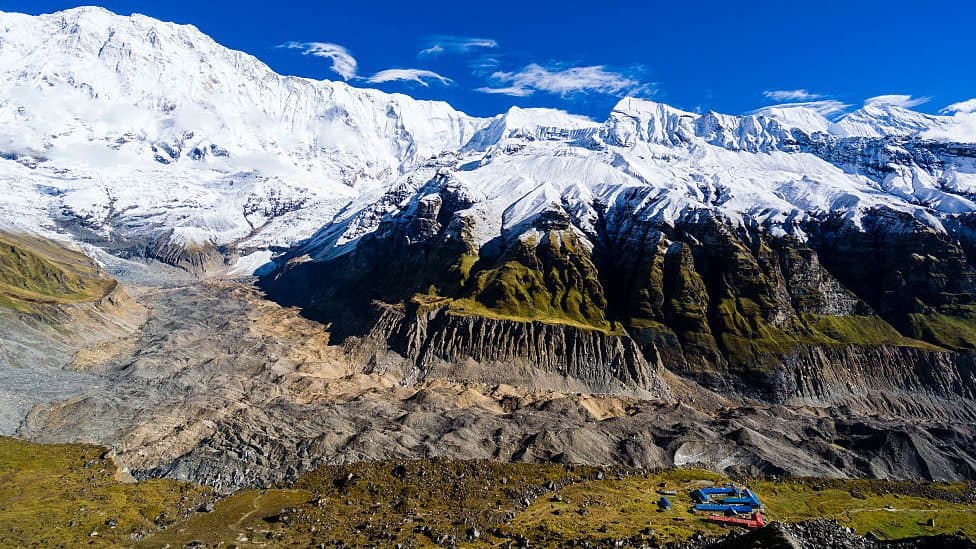
- The Hindu Kush Himalaya (HKH) region spans 3,500 km across Afghanistan, Pakistan, Nepal, India, China, Bangladesh, Myanmar, and Bhutan.
- It is the source of major river basins including the Ganga, Indus, and Brahmaputra, which serve the food and livelihood needs of approximately 2 billion people across Asia.
Monsoon Outlook 2026:
- The analysis conducted by the International Centre for Integrated Mountain Development (ICIMOD) and the Institute of Atmospheric Physics, Chinese Academy of Sciences forecasted:
- Below-normal rainfall and above-normal temperatures for the 2026 monsoon season.
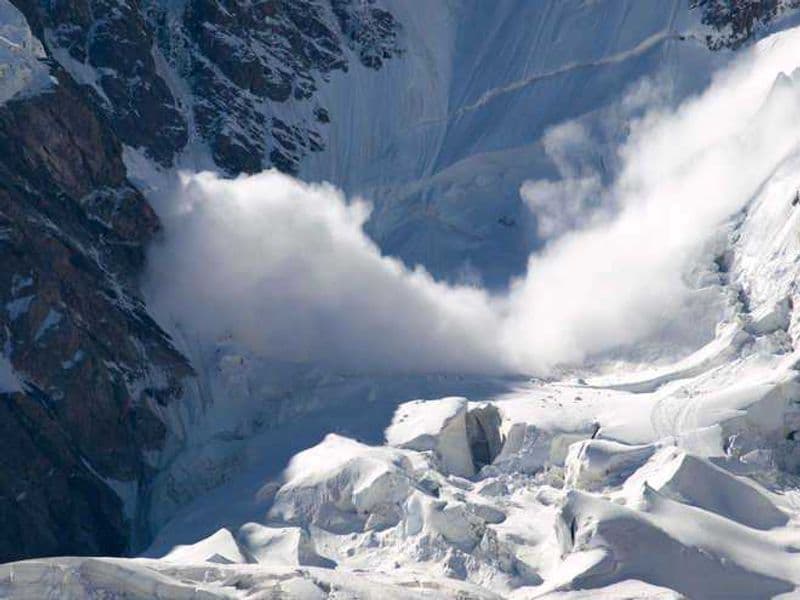
- Increased risks of droughts, floods, glacial lake outburst floods (GLOFs), and landslides due to these conditions.
- The analysis conducted by the International Centre for Integrated Mountain Development (ICIMOD) and the Institute of Atmospheric Physics, Chinese Academy of Sciences forecasted:
El Niño Phenomenon:
- The anticipated impact of the El Niño weather phenomenon characterized by:
- Unusually warm sea surface temperatures in the Pacific Ocean, influencing global weather patterns and suppressing South Asian monsoons.
- Historical data suggests that El Niño conditions lead to reduced monsoon rainfall in South Asia, accounting for 70-80% of the region’s annual precipitation.
- Projections indicate a transition from neutral conditions in the Pacific to El Niño conditions during early 2026, likely continuing through the monsoon.
- The anticipated impact of the El Niño weather phenomenon characterized by:
Snow and Ground Water Impact:
- The persistence of winter snow was below the long-term average, suggesting reduced seasonal water buffers for the monsoon.
- Communities in the HKH region will increasingly rely on rainwater, groundwater, and spring water due to lower snow persistence, compounding water scarcity issues.
Climate Change Impacts:
- The region's vulnerability to climate-induced hazards has intensified, with expectations for more extreme weather events resulting from climate change.
- Rising temperatures are likely to accelerate glacier and snowmelt, leading to spikes in river discharge and increased GLOF risk.
Additional Climate Predictions:
- Predictions from various meteorological bodies, including the India Meteorological Department, affirm below-par monsoon forecasts for 2026.
- The potential emergence of a positive Indian Ocean Dipole may partially mitigate El Niño effects, although future conditions remain uncertain.
Policy and Administrative Implications
- The findings highlight critical considerations for administrative management regarding water resource planning and disaster risk reduction in the HKH region, underlining the necessity for adaptive strategies to cope with changing climate conditions.
Summary
This outlook raises alarms about the interconnection between climate phenomena like El Niño, regional monsoon patterns, and their consequences on water security and ecological stability in one of the most critical and vulnerable regions of the world, necessitating significant policy focus and intervention strategies.
Key Terms & Concepts
| Kush Himalaya (HKH) | source of major river basins |
| Ganga, Indus, Brahmaputra | major river basins in Asia |
| El Niño | weather phenomenon affecting rainfall |
| International Centre for Integrated Mountain Development (ICIMOD) | institution providing monsoon outlook |
| 3,500 km | length of the HKH region |
| 2 billion | population dependent on HKH resources |
| South Asian Climate Outlook Forum (SASCOF-34) | seasonal forecasting agency |
| January–March 2026 | period of snow cover analysis |
| Northern Hemisphere snow cover | indicator of monsoon strength |
| GLOF (glacial lake outburst flood) | risk factor of climate change |