iAspirants
Landslide Tragedy in Kerala's Wayanad
Published on:
Share this post
Article Summary
Summary of Weather-Induced Disaster in Kerala's Wayanad District
Event Overview:
- Date of Incident: July 7, 2026
- Location: Wayanad district, Kerala, India
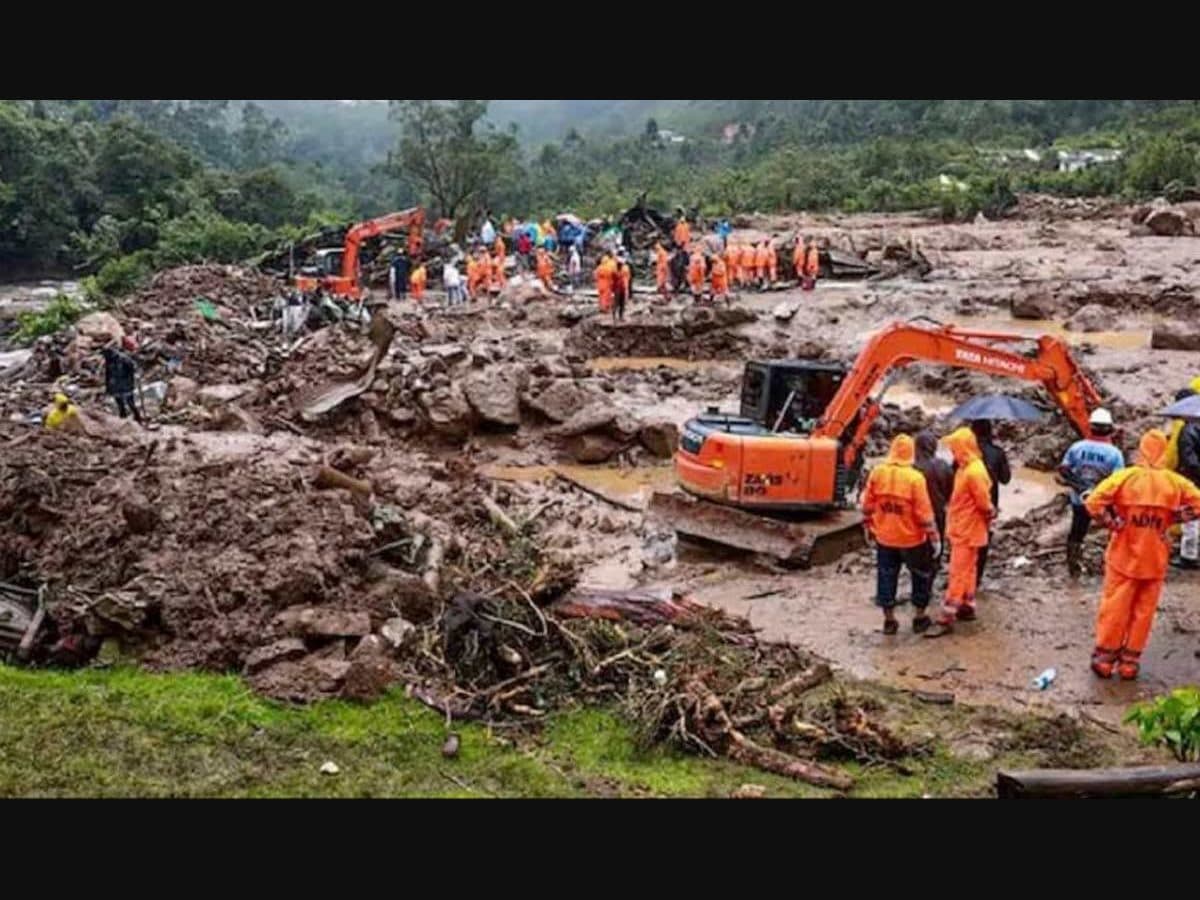
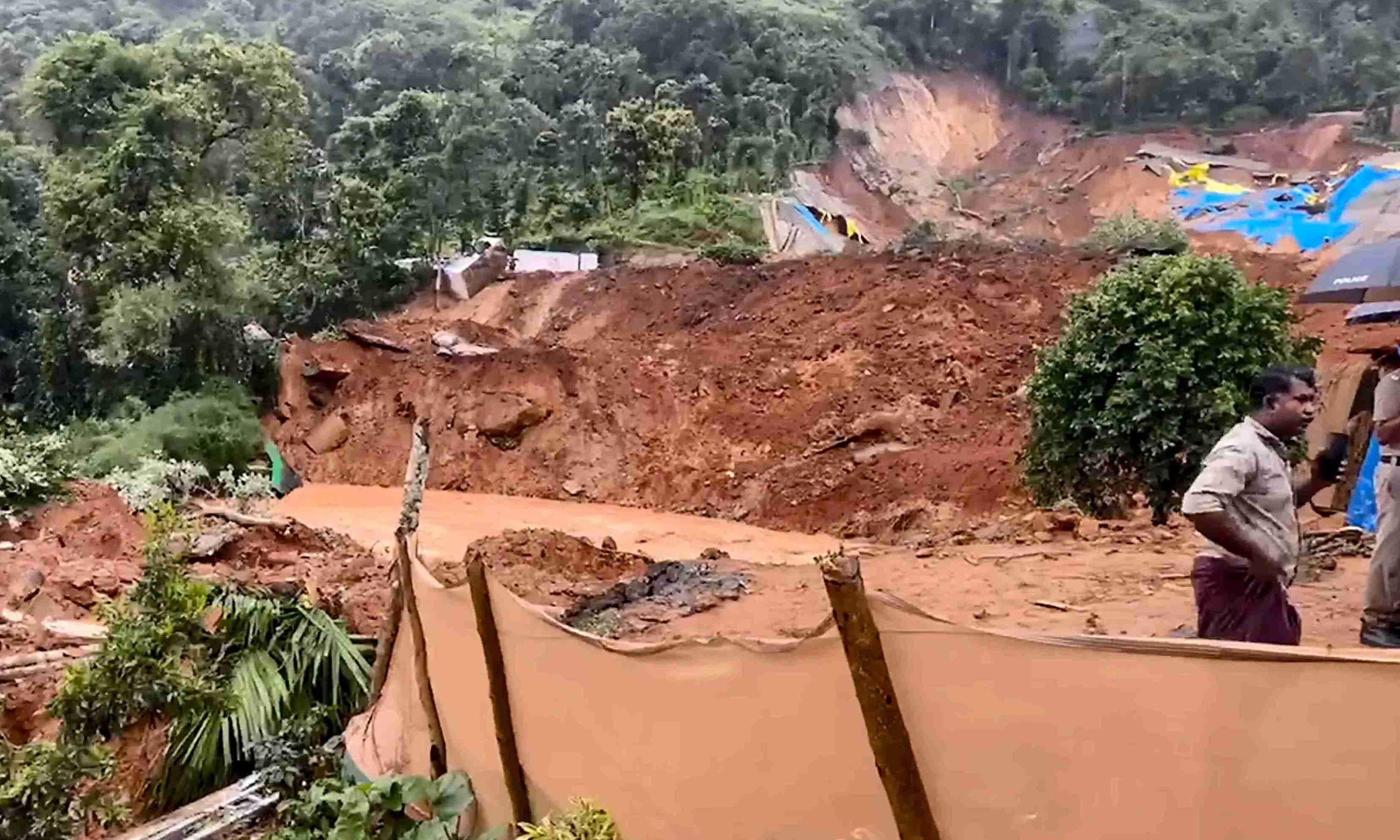
- Disaster Type: Weather-induced debris slide at Kalladi, Meppadi panchayat.
- Casualties: Six workers confirmed dead.
Government Response:
- The Kerala government suspended construction work on the twin tunnel project pending a comprehensive investigation.
- The investigation will assess compliance with conditions set by the Expert Appraisal Committee under the Union Ministry of Environment, Forests and Climate Change (MoEFCC) regarding environmental clearance.
Historical Context:
- Wayanad has a history of climate-induced disasters, including severe landslides post the 2018 floods and subsequent incidents in 2019.
- The area is situated over 7,000 ft above sea level and is vulnerable to extreme weather events.
Project Details:
- The twin-tube tunnel road project, costing approximately ₹2,100 crore, aims to connect Anakkampoyil in Kozhikode to Meppadi.
- Environmentalists have opposed the project, citing it as a potential disaster risk. The project was fast-tracked for improved mobility in an area lacking tertiary care facilities.
Judicial Involvement:
- In April 2026, the Supreme Court ruled the project as of "national importance" and dismissed a plea by the Wayanad Prakrithi Samrakshana Samithi to halt construction. The group plans to seek a review of this decision.
Factors Contributing to the Disaster:
- Allegations against Konkan Railways, the contractor, for failing to remove excavation debris by a June 20 deadline.
- Environmental factors such as rainfall and the region's susceptibility to landslides were cited as contributing to the disaster.
- Security footage showed a significant flow of debris, indicating a possible mudslip from higher elevations.
Recommendations for Future Action:
- The state is urged to conduct a geomorphological investigation to understand the causes of the debris flow.
- There is a call for a thorough review of the project’s social and environmental impacts, emphasizing the need for climate resilience in future infrastructure projects.
Conclusion:
- The incident underscores the necessity of integrating ecological and climate considerations into infrastructure planning and execution to prevent future disasters in vulnerable regions like Wayanad. The state’s disaster management mechanisms have been highlighted as inadequate in responding to such emergencies.
Key Terms & Concepts
| Wayanad district | Location of disaster |
| July 7 | Date of landslide incident |
| ₹2,100 crore | Cost of the tunnel project |
| 8.73-km-long twin-tube tunnel | Infrastructure project involved |
| Supreme Court | Judicial authority on project |
| Expert Appraisal Committee | Environmental clearance authority |
| Konkan Railways | Contractor for construction |
| National importance | Supreme Court's project classification |
| 2018 floods | Previous disaster reference |
| Kavalappara landslide | Related previous landslide incident |
| Meppadi panchayat | Local governance area |
| Climate resilience | Required planning for projects |