iAspirants
Lantana camara: Global Invasive Challenge
Published on:
Share this post
Article Summary
Summary of Invasive Species Lantana camara: Key Facts and Insights
Invasive Species Overview
- Species: Lantana camara
- Origin: Central and South America
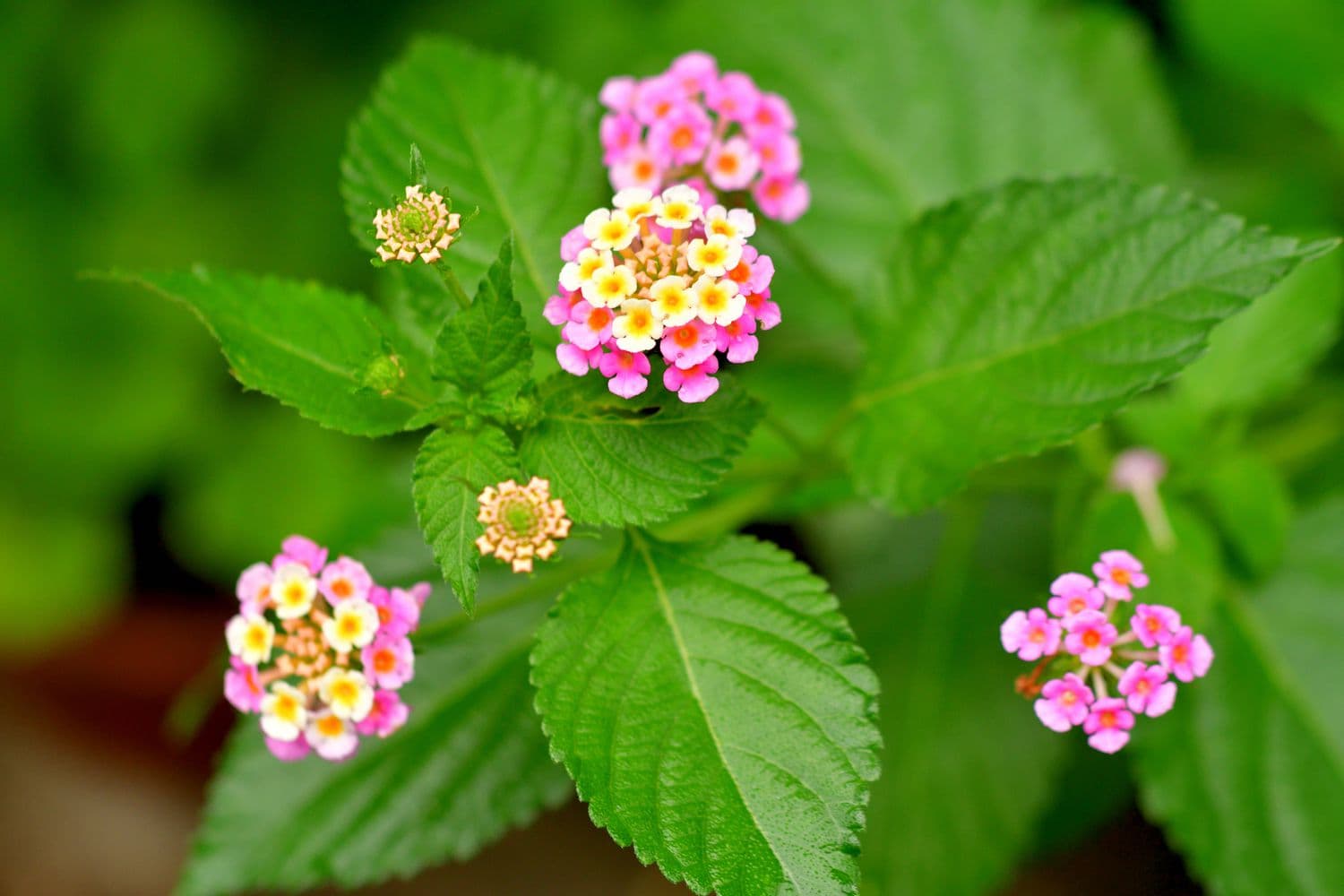
- Characteristics: Bright, bouquet-like flowers; blooms nearly year-round in warm climates.
- Behavior: Highly aggressive growth; releases chemicals to suppress the growth of other vegetation; toxic to livestock but attracts insects and birds for seed dispersal.
Spread and Impact
Global Distribution: Spread to tropical, subtropical, and warm temperate regions; notable presence in Asia, Africa, and Australia.
Ecological Impact:
- Displaces native flora.
- Prolific in poor soil conditions and withstands extreme weather (hot, dry climates).
- Forms dense thickets, making areas uninhabitable for other plant species.
Control Efforts: Historically, various control measures were employed such as:
- Manual uprooting and replacing with native plants.
- Controlled burns.
- Application of herbicides.
- Introduction of natural enemies (insects that consume Lantana).
Historical Context
- 17th Century: Lantana introduced to Europe by explorers as an ornamental plant.
- 19th-20th Century: Escaped cultivation and spread uncontrollably, leading to ecological concerns.
- 2000: International Union for Conservation of Nature (IUCN) classified Lantana camara as one of the world's worst invasive species.
Current Trends and Adaptations
- Impact of Global Warming: Climate change is facilitating faster spread and dominance of Lantana.
- Innovative Utilization: Indigenous communities, such as those in Tamil Nadu, are adapting by using Lantana's wood for:
- Furniture production.
- Home décor.
- Art (e.g., elephant sculptures).
- Economic Opportunity: Communities transform an ecological threat into potential sources of income.
Environmental and Ecological Considerations
- The resilience and adaptability of Lantana camara raise concerns about biodiversity loss.
- Innovative solutions for economic utilization demonstrate a shift from conflict with invasive species to coexistence and sustainable use.
Key Takeaways
- Invasive Species Management: Highlighting the importance of ecological balance and sustainable practices in addressing invasive species.
- Economic Strategies: Local adaptations can turn threats into opportunities, suggesting a model for management of invasive species.
Key Terms & Concepts
| Lantana camara | Invasive plant species |
| International Union for Conservation of Nature | Declared invasive species |
| 17th century | Period of introduction to Europe |
| 19th century | Period of spread across continents |
| December 2000 | Declared one of the worst invasive species |
| Global warming | Facilitates faster spread |
| Tamil Nadu | Community using Lantana for furniture |
| Herbicides | Used for control measures |
| Tribal communities | Using Lantana for economic opportunity |