iAspirants
Launch of Indigenous Naval Vessels
Published on:
Share this post
Article Summary
Exam-Focused Summary of the Naval Ships Commissioning Event
Key Facts and Figures:
- Commissioned Ships:
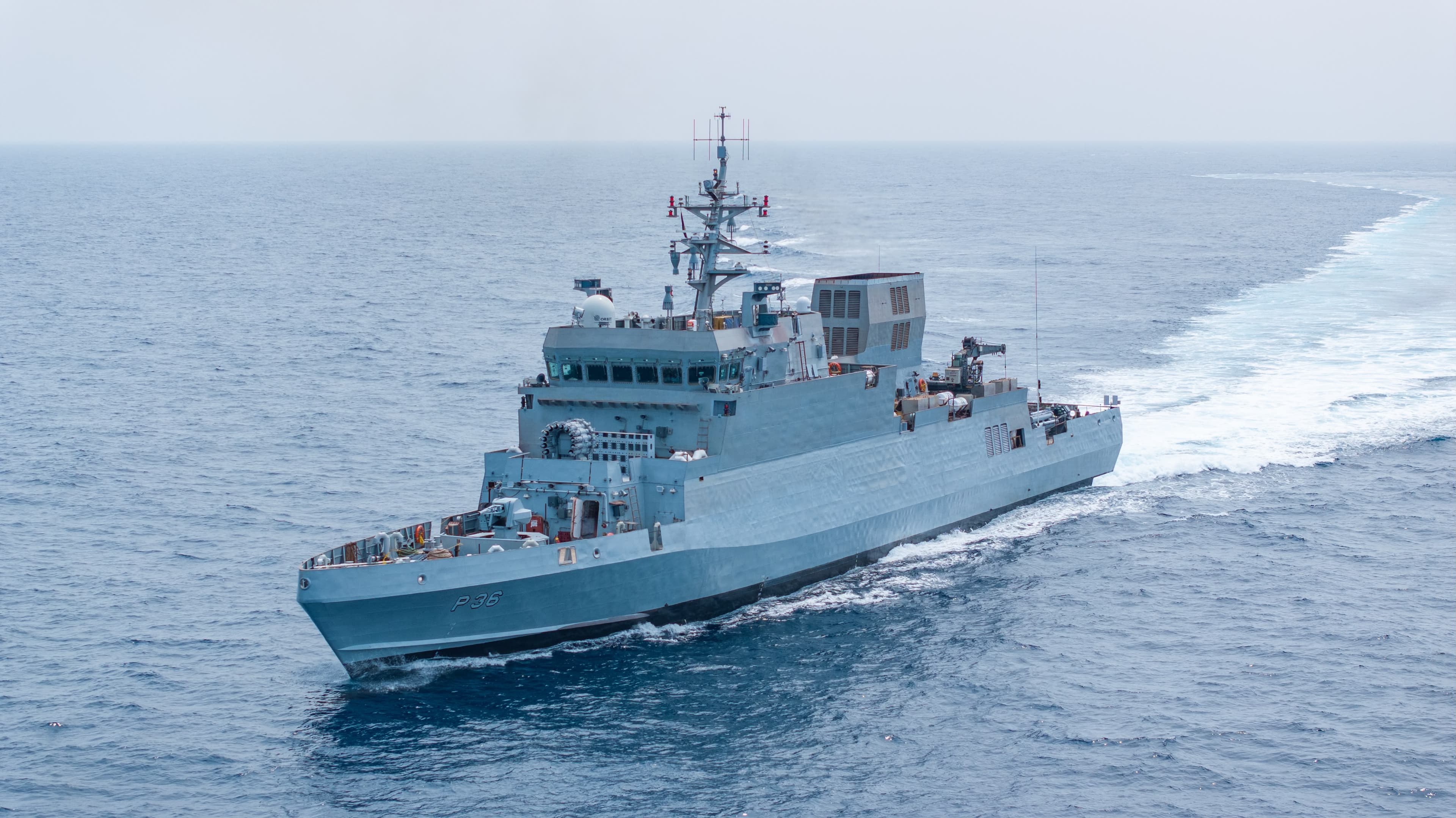
- INS Agray (Anti-submarine shallow water vessel)
- INS Dunagiri (Advanced stealth frigate)
- INS Sanshodhak (Survey vessel)
- Location: Shyama Prasad Mukherjee Port, Kolkata, West Bengal.
- Indigenous Contribution: Over 75% indigenous materials used in ship construction, showcasing India's commitment to self-reliance.
Constitutional and Policy References:
- Defense Policy: The event aligns with India's strategic vision to enhance its maritime capabilities and self-reliance in defense manufacturing.
- Government Initiatives:
- Emphasis on the Make in India initiative, promoting domestic manufacturing and technological advancement in defense and maritime sectors.
- Shipbuilding Sector Vision: A renewed focus on shipbuilding, repair, and Maintenance, Repair, Overhaul (MRO) as part of a national mission.
Economic Data:
- Defense Production Growth:
- Total defense production rose from approximately ₹40,000 crore in 2014 to around ₹1.8 lakh crore, reflecting significant advancements in the defense sector.
- The introduction of over 40 indigenous warships and submarines in recent years.
- Employment Generation: Contribution from over 200 Micro, Small, and Medium Enterprises (MSMEs) in ship construction, fostering job creation and industrial activity across the country.
International Context:
- World Hydrography Day: The commissioning of INS Sanshodhak coincided with this global observance, underlining India's commitment to hydrographic survey capabilities.
Strategic Importance:
- Maritime Power:
- Prime Minister Modi highlighted the correlation between strong maritime capabilities and a nation's economic and strategic influence.
- Emphasis on the need for security to protect prosperity and the importance of self-reliance in national defense.
Government Schemes:
- Sagar Mala Project: Aims to enhance logistical efficiency and promote coastal development, which is part of the broader vision for India's maritime economy.
- Financial Incentives: A ₹70,000 crore incentive package for the shipbuilding sector, viewed not just as an economic measure but as an investment in India's maritime future.
Noteworthy Statements:
- Prime Minister Modi emphasized that a nation's military strength is assessed based on its self-reliance rather than dependence on global markets.
- The event was described as a pivotal moment for India's maritime security, reinforcing the country's growing capabilities and confidence in the 21st century.
Future Outlook:
- India aims to become a leader in maritime manufacturing, logistics, and blue economy initiatives, with West Bengal positioned as a key hub for these developments.
Conclusion:
The commissioning of INS Agray, INS Dunagiri, and INS Sanshodhak marks a significant milestone in enhancing India's naval capabilities, reflecting the country's commitment to self-reliance, economic growth, and strategic maritime security.
Key Terms & Concepts
| INS Agray | Newly commissioned naval vessel |
| INS Dunagiri | Newly commissioned naval vessel |
| INS Sanshodhak | Newly commissioned naval vessel |
| June 21 | World Hydrography Day |
| Shyama Prasad Mukherjee Port | Location of commissioning |
| Garden Reach Shipbuilders and Engineers (GRSE) | Manufacturer of the vessels |
| 75% | Indigenous material used |
| 70,000 crore INR | Shipbuilding sector incentive package |
| 40,000 crore INR to 1.8 lakh crore INR | Increase in defense production |
| Sagar Mala | Government initiative for coastal development |
| 200 SMEs | Contributors to ship construction |