iAspirants
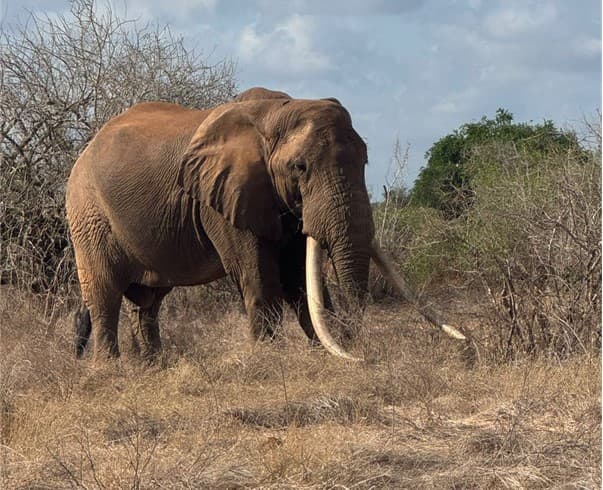
Legacy of Africa’s Super Tusker Elephant
Published on:
Share this post
Article Summary
Summary of Key Points on Wildlife Conservation, Focused on Individual Animals and their Impact
1. Importance of Individual Animals in Conservation
Craig, the Super Tusker: An African elephant who served as a global symbol of wildlife tourism and conservation. Notable for his massive tusks, Craig's death highlighted the impact of poaching on genetic diversity in elephants.
Celebrity Wildlife: Animals like Craig and Machli (the tigress from Ranthambore) have become icons, helping attract tourism that benefits local economies and conservation efforts.
2. Conservation Philosophy
- Individual animals can stir emotions and awareness but conservation must be species-centric, focusing on populations, habitats, and ecosystems.
- Public affection for individual animals can transition into broader species and habitat protection, provided it is directed effectively.
3. Economic Impacts
- Tourism Revenue: Wildlife tourism generates significant revenue; Machli’s presence in Ranthambore reportedly generated millions of dollars.
- Visitor numbers often increase due to the popularity of 'star' animals as exemplified by the virality of Pesto, a king penguin chick.
4. Conservation Challenges
- Wildlife tourism can exceed ecological limits, leading to crowding and habitat disruption.
- The emotional ties to individual animals can lead to pressures for rescues that conflict with broader conservation needs.
5. Scientific Perspectives
- Conservation biologists argue that focusing on individual animal protection can misallocate resources, diverting attention from habitat preservation and biodiversity.
- Real conservation work requires maintaining genetic diversity and securing habitats, rather than directing efforts toward individual animals.
6. Case Studies
- Craig and Machli: Both symbolize the struggle between individual importance versus broader ecological needs. Understanding their roles can foster greater public support for habitat conservation.
- Ustad (T-24): This tiger’s interactions with humans illustrate the conflict between conservation goals and local community safety, underscoring the dilemmas faced in wildlife management.
7. Conclusion
- Celebrity animals like Craig have the potential to be powerful advocates for conservation, but true progress requires a systemic approach that focuses on habitat protection, anti-poaching, and community involvement.
- Conservation efforts should aim towards greater understanding of ecosystems to ensure sustainability, rather than solely relying on the emotional narratives surrounding individual animals.
Importance of Policy and Management
- Ongoing support for conservation policies must be grounded in scientific management and local community collaboration, emphasizing long-term ecological balance over immediate emotional responses.
This summary highlights the intricate relationship between prominent wildlife figures and broader conservation efforts, advocating for a shift in focus from individual fascination to systemic support for environmental sustainability.
Key Terms & Concepts
| Craig | Symbol of wildlife conservation |
| Amboseli National Park | Habitat for elephants |
| Mount Kilimanjaro | Background for Craig's habitat |
| ivory poaching | Threat to large tusked elephants |
| wildlife tourism | Economic benefit for local communities |
| Cynthia Moss | Biologist studying elephant herd |
| Ranthambore National Park | Habitat for Machli, the tigress |
| Machli | Symbol of tiger conservation |
| K. Ullas Karanth | Conservation biologist discussing conservation strategies |
| Ustad (T-24) | Controversial tiger linked to human deaths |
| anti-poaching efforts | Crucial for elephant survival |
| habitat protection | Essential for wildlife conservation |