iAspirants
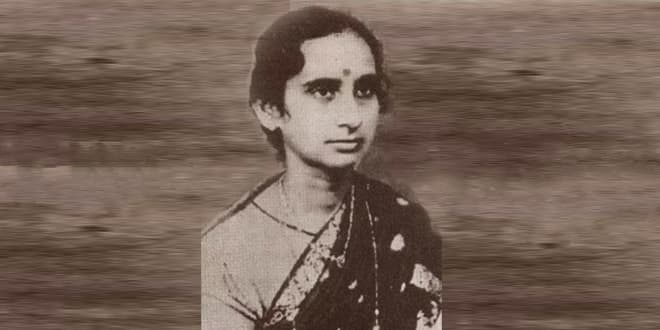
Legacy of Meenambal Sivaraj
Published on:
Share this post
Article Summary
Key Facts & Contributions of Meenambal Sivaraj
Biography:
- Birth: December 12, 1904, Rangoon, Burma.
- Parents: V.G. Vasudeva Pillai (first Scheduled Caste member of Madras Legislative Council) and Minakshi, both advocates of education and service.
- Education: Attended grandfather's school in Rangoon; graduated from Rangoon College of Fine Arts in 1917.
- Marriage: Married Sivaraj, a law graduate and advocate for SC rights, in 1918.
Advocacy and Activism:
Key Issues Addressed:
- Untouchability
- Economic and educational rights for Scheduled Castes (SCs) and women.
- Rights of Dalit women, emphasizing the dual oppression of caste and gender.
Political Engagement:
- Supported the Simon Commission in 1928, viewing it as beneficial for SC interests.
- Became disillusioned with Congress leaders over caste discrimination issues.
- Collaborated with social reformers such as B.R. Ambedkar, Periyar E.V. Ramasamy, and Jawaharlal Nehru.
- Joined the All India Scheduled Castes Federation (AISCF) and became its first Dalit woman member and president of the South India Scheduled Castes Federation.
Significant Contributions:
Educational Advocacy:
- Advocated for government funding for the education and technical training of SC girls.
- Speeches emphasized the need for SC women to have opportunities beyond domestic roles.
Political Positions:
- Member of the Senate of the University of Madras (1946).
- Elected to Madras City Council, possibly as the first SC woman.
Public Roles:
- Served on committees, including the Film Censor Board and the Madras State Advisory Committee.
Legacy and Recognition:
- Name Change: Chose the name Angiarkanni Siva Arasu to shed “Aryan origins” linked to her previous name, reflecting a commitment to her identity.
- Challenges: Faced health challenges and personal losses yet remained active in social reform until her death on November 30, 1992.
- Historical Impact: Remembered for her relentless work towards social reform, women's empowerment in the SC community, and her role as a pioneering figure in Tamil Nadu's history.
Contextual Historical and Constitutional References:
- Scheduled Castes: Recognized under Articles 15 (prohibition of discrimination) and 17 (abolition of untouchability) of the Indian Constitution.
- Women’s Empowerment Policies: Second National Policy for Women, various legislative measures for women's rights and SC welfare can be referenced here.
Summary of Influence:
Meenambal Sivaraj's life exemplifies a deep commitment to social justice, gender equality, and education against the backdrop of India's socio-political landscape in the early-to-mid 20th century. Her efforts paved the way for future generations in the fight for rights among marginalized communities, particularly Scheduled Castes and women.
Key Terms & Concepts
| Scheduled Castes (SC) | Groups advocating for rights |
| Self-Respect Movement | Challenge caste discrimination |
| All India Scheduled Castes Federation (AISCF) | First Dalit woman president |
| Indian National Congress | National movement for independence |
| Dalit Women's Conference | Addressing SC women's issues |
| University of Madras | Higher education governance |
| Madras City Council | Local governance body |
| Economic and educational opportunities | Advocacy for SC women |
| Constitution of India | Framework for social rights |
| Caste-based discrimination policies | Legislative measures for equality |