iAspirants
Legacy of P. Varadarajulu Naidu
Published on:
Share this post
Article Summary
Exam-Focused Notes on P. Varadarajulu Naidu
Historical and Biographical Context
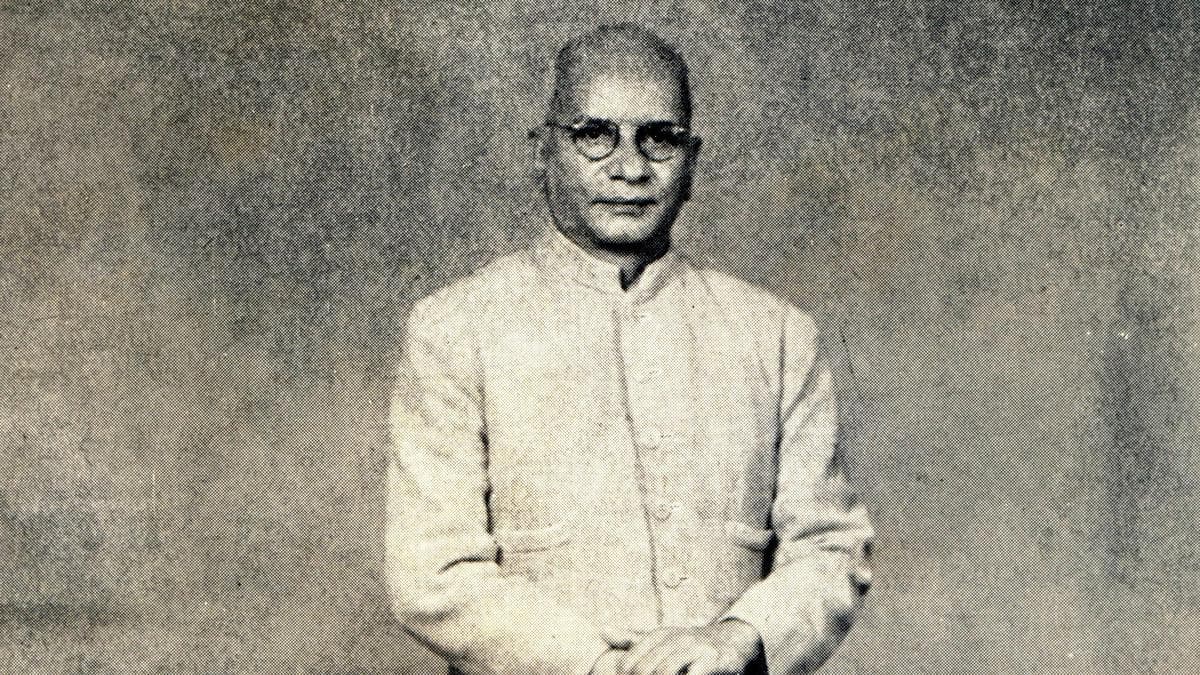
- P. Varadarajulu Naidu (1887-1957): Noted as "the Bal Gangadhar Tilak of South India", recognized for his role in instilling national spirit, public speaking, and journalism.
- Member of a political triumvirate in South India alongside T.V. Kalyanasundaram (Thiru.Vi.Ka) and E.V. Ramasamy (Periyar).
Contributions to Journalism
- Editor of Tamil Weeklies: Prapanchamitran and Tamil Nadu.
- Founded the English Daily: Indian Express in 1932.
Legal and Political Struggles
Sedition Charges:
- Arrested for a speech delivered on August 18, 1918, concerning workers’ rights in Madurai.
- Initially sentenced to 15 months in prison but later acquitted by the Madras High Court in April 1919.
Judicial Proceedings:
- Key defense attorneys included prominent figures: C. Rajagopalachari, K. Srinivasa Iyengar, and Alladi Krishnaswami Iyer.
- His argument centered on the right to promote “popular education and free discussion” regarding constitutional reform.
Context of Arrest:
- Influenced by the Government of India Act 1919, which introduced a “dyarchy” system, transferring responsibility for provincial governance to Indian leaders while retaining British control over other functions.
Key Constitutional References
- Government of India Act 1919: Introduced reforms allowing a degree of self-governance, with reservations for British authority.
- Emphasized freedom of expression as a fundamental right, reflecting the principles in the Constitution.
Other Notable Events
- Subsequent Arrests: Arrested again for sedition and served a nine-month prison sentence.
- Notable protests included refusal to pay taxes following the arrest of Mahatma Gandhi during the non-cooperation movement.
Political Legacy
- Considered a patriotic figure despite differences with contemporaries like C. Rajagopalachari.
- Advocated for inclusivity among political factions, encouraging cooperation with the Justice Party.
- Controversial stances on education policy led to opposition against Rajagopalachari's reforms during the latter's second term as Chief Minister (1952-54).
Recognition and Memorialization
- Lacks a significant memorial in Tamil Nadu for his contributions and sacrifices.
- Only an Ashoka pillar in Salem commemorates him.
Conclusion
- P. Varadarajulu Naidu remains recognized as a significant figure in the Indian freedom struggle, emblematic of the sacrifices made for the country's independence. His journalism and defiance against colonial rule serve as a testament to the struggle for civil rights and political reform in early 20th century India.
Key Terms & Concepts
| Government of India Act, 1919 | Established dyarchy system in provinces |
| Indian Express | Newspaper launched in 1932 |
| Madras High Court | Court that acquitted Naidu |
| August 18, 1918 | Date of Naidu’s controversial speech |
| C. Rajagopalachari | Lawyer who defended Naidu |
| 15 months | Initial sentence for sedition charge |
| April 1919 | Month of Naidu's release |
| August 29, 1918 | Date of Naidu’s arrest |
| Madura Mills | Workers Naidu supported |
| Constitutional reforms | Context of Naidu's speech |
| Ongoing Struggle for Freedom | Context of Naidu's activism |
| T.V. Kalyanasundaram and E.V. Ramasamy | Naidu's fellow figures in South Indian politics |