iAspirants
Legacy of Racism in Conservation Practices
Published on:
Share this post
Article Summary
Conservation, Indigenous Rights, and Historical Context
Colonial Legacy in Conservation:
- The conservation movement has roots in the European colonial era (1800s), often characterized by marginalization of Indigenous peoples portrayed as 'uncivilized.'
- Forcing displacement of local communities from protected areas to establish game reserves for the elite remains a historical injustice.
Issues of Inclusion and Marginalization:
- A recent paper in Nature critiques the persistent notion of 'othering' Indigenous and marginalized groups in conservation efforts, which are less developed in the Global South.
- This 'othering' has been catalyzed by wealthy elites and corporations favoring wildlife over Indigenous human rights, further perpetuating injustices against BIPOC communities.
Case Study: The Killing of the Tiger Avni (2018):
- The reaction to the tiger's death highlighted urban-rural divides, with significant public support for animal rights often overshadowing the human impacts on rural families affected by wildlife.
Judicial and Legislative Context:
- Between 2001 and 2011, 192 cases against tribal communities were registered for "trespassing" forest land under the Forest Rights Act, where they had lived for generations.
Current Conservation Models and Proposals:
- The existing conservation narrative prioritizes a model of 'pristine nature' that excludes human communities.
- Proposed frameworks suggest more inclusive conservation that respects Indigenous rights, advocating for the agency of Indigenous Peoples and Local Communities (IPLCs).
Government Schemes and Community Movements:
- Various philanthropic and grassroots initiatives are underway to promote more people-centric conservation strategies.
- Examples include Ashish Kothari’s Kalpavriksh, Madhav Gadgil’s People's Biodiversity Registers, and various efforts in the Nilgiris.
Constitutional References and People's Rights:
- The emphasis on human rights aligns with constitutional provisions that safeguard individual rights and community welfare, although implementation remains a challenge.
Economic Implications:
- Conservation efforts are increasingly intersecting with economic realities, with critiques of ecotourism that tend to benefit urban elites rather than local populations, impacting livelihoods and indigenous stewardship of lands.
Socio-cultural Impact:
- The paper asserts that Indigenous communities are often better custodians of nature, and the historical dehumanization continues to affect their rights and capabilities in conservation practices.
Call to Action:
- The proposed four-step framework for change emphasizes:
- Engaging human rights in conservation,
- Supporting IPLCs' agency,
- Seeking better engagement and representation from BIPOC communities,
- Providing new educational opportunities drawn from these communities.
- The proposed four-step framework for change emphasizes:
Summary:
The intersection of conservation practices and indigenous rights, particularly in regions like India, reveals deep-rooted systemic injustices stemming from colonial histories. Current discourse emphasizes the need for inclusive frameworks that rectify these past injustices while modernizing conservation approaches to meet both ecological and human rights standards. This shift requires a reconceptualization of how conservation is engaged with, particularly in the context of socio-economic realities and ongoing urban-rural divides.
Key Terms & Concepts
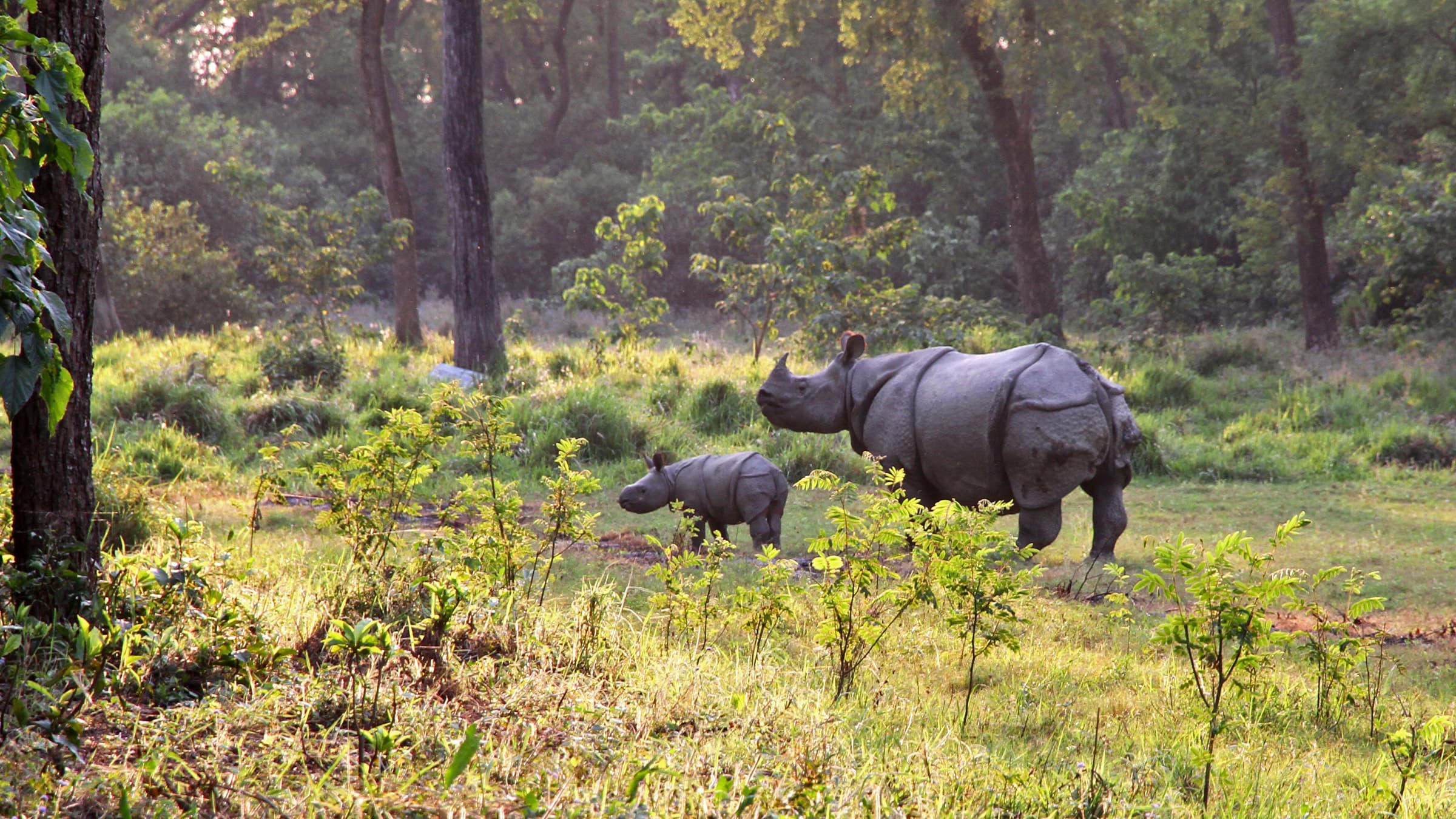
| Chitwan National Park | Location of rhino horn incident |
| World Wildlife Fund (WWF) | Campaign for rangers' exoneration |
| Black Lives Matter protests | Renewed discourse on racism |
| Nature (journal) | Published article on conservation |
| BIPOC | Communities discussed in conservation |
| Forest Rights Act | Legal framework protecting forest rights |
| Avni | Tiger killed in conservation debate |
| Nagarahole National Park | Location of tribal offenses |
| Kalpavriksh | Organization for people-centered conservation |
| People’s Biodiversity Registers | Initiative on biodiversity conservation |
| The Nilgiris | Location of indigenous community issues |
| Education for BIPOC communities | Proposed framework for conservation |