iAspirants
Legacy of the Save Kurinji Campaign
Published on:
Share this post
Article Summary
Key Notes on Environmental Activism: The Legacy of G. Rajkumar
Subject: G. Rajkumar's Contributions to Environmental Conservation
Background:
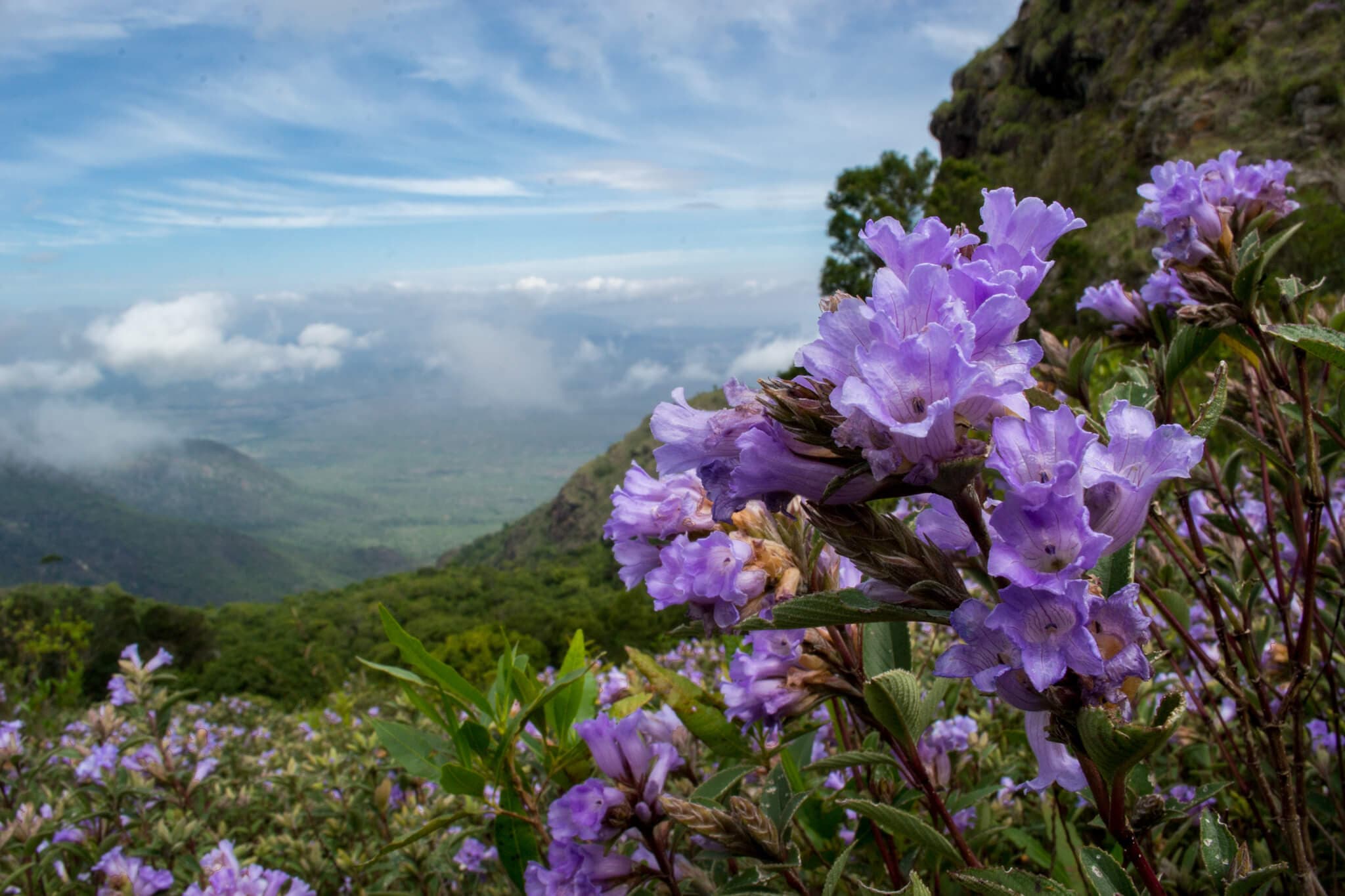
- G. Rajkumar, also known as "Kurinji Rajkumar," was a prominent environmentalist and the pivotal figure behind the Save Kurinji Campaign aimed at protecting the Neelakurinji flower (Strobilanthes kunthiana). He passed away at age 70 in Thiruvananthapuram.
Timeline and Milestones:
- September 1982: Rajkumar discovered the Neelakurinji in bloom in the hills from Munnar to Kodaikanal.
- 1980s - 2006: Spearheaded the Save Kurinji Campaign after trekking to Munnar with fellow activists, significantly raising awareness about the ecological importance of the Neelakurinji.
- 2006: The culmination of his efforts resulted in the establishment of the Neelakurinji Sanctuary (32 sq. km) in the Kottakamboor-Vattavada region, officially announced by then Forest Minister Binoy Viswam.
Contributions to Environmental Awareness:
- Established public awareness campaigns during Neelakurinji flowering seasons (1994-2006) after Tamil Nadu authorities denied permission for further treks.
- The campaign has been instrumental in fostering cultural narratives and inspiring artistic expressions, such as renowned poet Sugathakumari's poem "Kurinji Pookkal," reflecting its impact on regional culture.
Impact and Recognition:
- Rajkumar's activism underscored the fragile grassland ecosystem surrounding the Neelakurinji, enhancing its status as a symbol of tourism and environmental conservation in the Western Ghats.
- His legacy has influenced subsequent generations, contributing significantly to environmental movements in India.
Constitutional and Policy References:
- The establishment of the Neelakurinji Sanctuary and preservation efforts align with India's commitment to biodiversity conservation under the Wildlife Protection Act, 1972, which aims to protect various species and natural habitats.
Environmental Significance:
- The Neelakurinji flower's blooming cycle (approximately every 12 years) and its role in the local ecosystem exemplify the interdependence of species and the need for conservation efforts in biodiversity hotspots like the Western Ghats.
Final Thoughts:
- G. Rajkumar's life's work has left an indelible mark on environmental activism in India, showcasing the power of grassroots movements in fostering conservation awareness and policy change. His contributions will continue to inspire future environmentalists.
Key Terms & Concepts
| Neelakurinji (Strobilanthes kunthiana) | Significant ecological flower |
| Save Kurinji Campaign | Environmental conservation initiative |
| October 6, 2006 | Establishment of sanctuary |
| Neelakurinji Sanctuary | Protected ecological area |
| 32-sq.km | Size of the sanctuary |
| Kottakamboor–Vattavada region | Location of sanctuary |
| Government of Tamil Nadu | Authority for permissions |
| 1982 | Year of initial discovery |
| 1994 to 2006 | Awareness campaigns period |