iAspirants
Madhav Gadgil and Western Ghats Conservation
Published on:
Share this post
Article Summary
Exam-Focused Notes: Madhav Gadgil and the Western Ghats Ecology Panel
Key Facts:
- Eminent Ecologist: Madhav Gadgil (83), passed away after a brief illness. Notable for his work on ecological preservation, especially in the Western Ghats.
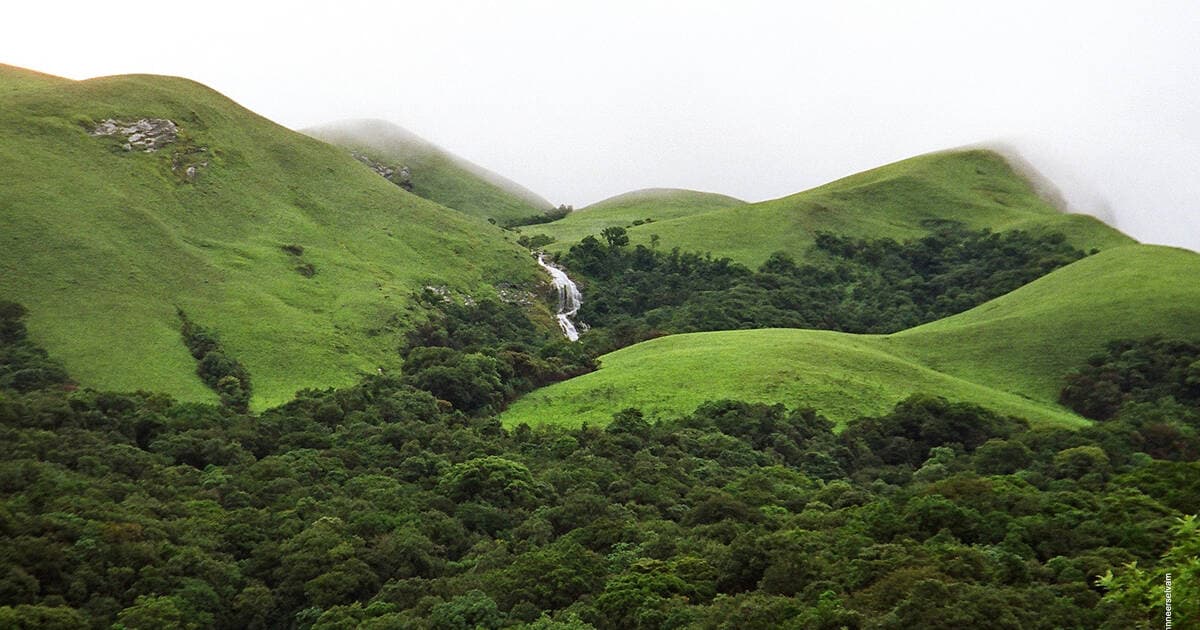
- Western Ghats: Recognized as a biodiversity hotspot, spanning from Gujarat to Kerala and Tamil Nadu, acting as the water source for major rivers like the Cauvery, Godavari, Krishna, Periyar, and Netravathi.
Constitutional and Legislative Context:
- Environment Protection Act: The mandate for the Western Ghats Experts Ecology Panel (WGEEP) stemmed from provisions under this Act, aiming to oversee ecological sensitivity.
WGEEP Formation and Purpose:
- Established: March 2010 following the Save Western Ghats movement.
- Mandate: Assess ecology, demarcate ecologically sensitive areas, and propose sustainable conservation measures.
- Impact of Report: Highlighted the need for sustainable development in response to rising ecological threats in the region.
Recommendations by Gadgil Panel:
- Ecologically Sensitive Areas (ESA): Entire 1,29,037 sq km of Western Ghats designated as ESA.
- Three Levels of Sensitivity: Created guidelines applied to different zones:
- No cultivation of genetically modified crops in ESZ.
- Phasing out existing mining operations within five years in sensitive zones.
- Prohibition on new railroads or major roads unless essential.
- Western Ghats Ecology Authority (WGEA): Proposed creation of a statutory authority for overseeing ESA protection.
Political and Administrative Response:
- Report Rejection: Initially withheld by the UPA government; later made public due to RTI appeals and a Delhi High Court ruling in May 2012.
- Resistance from States:
- Kerala & Maharashtra: Opposed the report, expressing concerns over economic impacts on agriculture and existing projects.
- Political Backlash: Opposition on forming a new regulatory body running parallel to state agencies.
Kasturirangan High-Level Working Group (HLWG):
- Formation: Responded to pushback on Gadgil's recommendations; aimed for a multidisciplinary review.
- Findings: Proposed 56,825 sq km as ESA with restrictions on new polluting industries.
- Implementation Status: Draft notifications to demarcate ESAs issued multiple times (latest in August 2024), yet consensus between Centre and states remains unachieved.
Importance for Environmental Policy:
- Gadgil's work emphasizes the integral role of ecological expertise in government policy-making amid regional development pressures.
- Continuous debate underlines the tension between conservation efforts and economic interests in environmentally sensitive regions.
International Considerations:
- The Western Ghats' designation as a biodiversity hotspot aligns with global environmental efforts and reflects India's commitment to sustainable development and ecological preservation amidst challenges like climate change.
Conclusion:
Madhav Gadgil’s contributions underscore the need for informed ecological governance, the challenges posed by regional development, and the importance of collaborative policymaking to balance environmental conservation with socio-economic factors. The ongoing discussion surrounding the Western Ghats serves as a critical case study in environmental policy and regional planning in India.
Key Terms & Concepts
| Western Ghats | Biodiversity hotspot in India |
| Western Ghats Experts Ecology Panel (WGEEP) | Panel for ecological assessment |
| Ecologically Sensitive Area (ESA) | Designated area for protection |
| Ecologically Sensitive Zone (ESZ) | Zones defined for ecological sensitivity |
| Genetically Modified Crops | Prohibition in ESZs recommended |
| Western Ghats Ecology Authority (WGEA) | Authority for regulating ESZs |
| Jairam Ramesh | Union Environment Minister |
| Kasturirangan panel | Review of WGEEP report |
| Right to Information Act | Enabled report access demands |
| Delhi High Court | Court ruling for report publication |
| 56,825 sq km | Area proposed as ESA by K. Kasturirangan panel |