iAspirants
Current AffairsPrelims PYQsUPSC CSE SyllabusUPSC CSE StrategyBlogsPricing
Login
iAspirants

Your AI-powered companion for UPSC preparation.

Quick Links

  • Home
  • About Us
  • Current Affairs
  • Prelims PYQs
  • UPSC CSE Syllabus
  • UPSC CSE Strategy
  • Blogs

Company

  • Pricing
  • FAQs
  • Contact Us
  • Login

Legal

  • Privacy Policy
  • Terms & Conditions
  • Return Policy

© 2025 iAspirants, Inc. All rights reserved.

  1. Blogs
  2. Environment and Ecology

Maharashtra Drought and Agricultural Impact

Published on: 28-Sep-2026

Source: Indian Express

Share this post
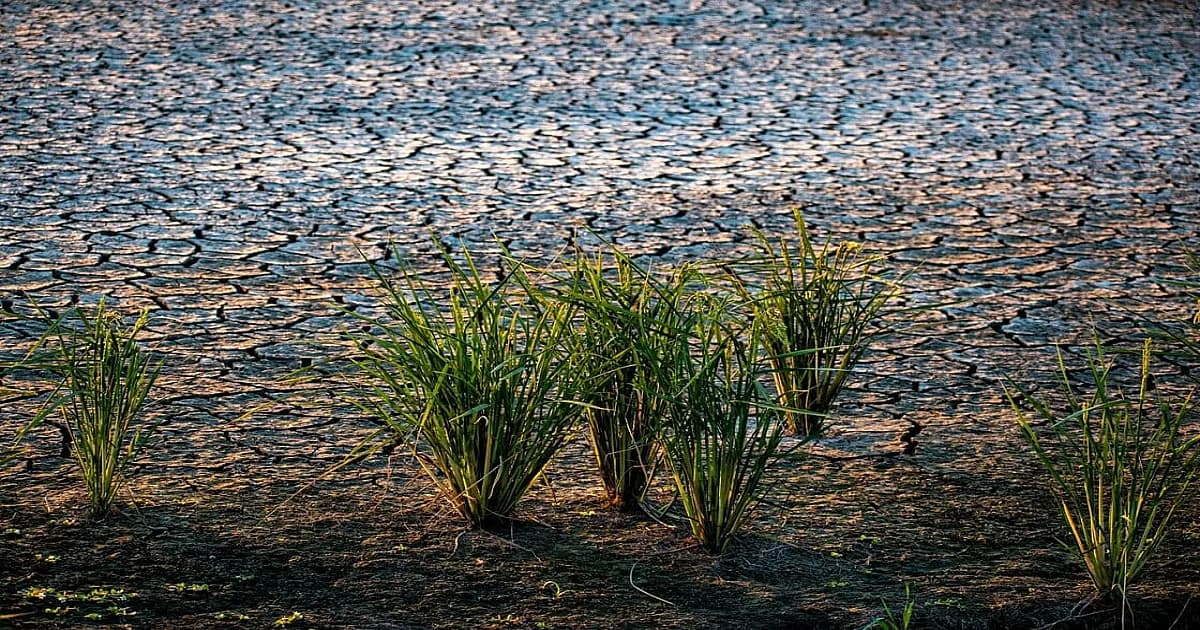
Maharashtra Drought and Agricultural Impact

Article Summary

Drought Situation in Maharashtra and India

Current Conditions:

  • Drought Declaration: Maharashtra has declared a drought in approximately 75% of its tehsils, with possible impacts worse than the 1972 famine.
  • Rainfall Deficit: India reports rainfall 11.9% below the historical average for the monsoon season (June 1 - September 27).
  • Affected Regions: 23 out of 36 meteorological subdivisions have over 10% cumulative rainfall deficit. Hardest-hit areas include:
    • Southern states
    • Marathwada and Vidarbha in Maharashtra
    • Rajasthan, Saurashtra and Kutch
    • Northeast India

Meteorological Insights:

  • El Niño: Currently in a strong phase, predicted to escalate to "very strong" from October to February.
  • Impact on Future Harvests: Expected adverse effects on kharif crop yields and significant risks for the upcoming rabi (winter-spring) season.

Agricultural Consequences:

  • Water Resources Depletion: Deficient rainfall leading to dwindling water in wells, ponds, and reservoirs, which may adversely affect rabi harvests.
  • Administration Response:
    • Activation of the Drought Management Code for crop loss assessment.
    • Concessions include waivers of land revenue and restructuring or pausing agricultural loan recoveries for affected farmers.

Government Schemes and Economic Measures

  • Pradhan Mantri Fasal Bima Yojana: Central scheme aimed at providing indemnity payouts to farmers; effectiveness in the current drought context will be evaluated.
  • VB-G Ram G Schemes: Focused on expeditious rural relief works.
  • Import Duty Cuts:
    • Reduction of crude palm and soybean oil duties from 16.5% to 11%.
    • Sunflower oil duties cut to 5.5%.
    • Duty-free imports permitted for arhar and urad, with calls for similar measures for other pulses (yellow peas, chana, masoor).

Environmental Impact & Future Projections

  • Rabi Harvest Risks: Weaker climatic conditions expected to shorten winter durations and raise temperatures, contributing to lower crop yields.

Summary

The drought declared in Maharashtra and the broader rainfall deficits in India are critical issues that may disrupt the agricultural sector, raising the need for effective management strategies at both state and central levels. The ongoing El Niño phenomenon further complicates conditions, signalling challenges ahead for both kharif and rabi crops. Assured government support through policy measures is essential to mitigate economic impacts on farmers.

Key Terms & Concepts

MaharashtraState declaring drought
1972 Great FamineHistorical drought reference
11.9%Rainfall deficit percentage
23 out of 36 meteorological subdivisionsAreas with significant deficits
El NiñoClimate phenomenon affecting monsoon
Pradhan Mantri Fasal Bima YojanaGovernment crop insurance scheme
Drought Management CodePolicy for drought response
Modi GovernmentGovernment implementing import duty cuts
Crude palm and soyabean oilImports with reduced duties
Kharif and RabiAgricultural seasons affected by drought

Mind Map for UPSC Civil Services Revision

Turn UPSC Civil Services Current Affairs Into Exam-Ready Notes

Reading Environment and Ecology current affairs is half the work. Revise them with ready-made notes and test what actually stuck.

  • Daily UPSC Civil Services current affairs analysis
  • Revision notes, mind maps & MCQs
  • Prelims mock tests with instant results

Related UPSC Civil Services Current Affairs Articles

India's Clean Energy Transformation Journey
Environment and Ecology28-Sep-2026

India's Clean Energy Transformation Journey

Summary of India's Energy Transformation

Key Achievements and Data

  • Renewable Energy Capacity: Over the past 12 years, India has increased its renewable energy (RE) capacity to over 200 GW, with RE now comprising nearly 45% of the total installed electricity capacity.
  • Clean Energy Growth: India is recognized as one of the fastest-growing renewable energy markets globally, with significant contributions from solar and wind power.
  • Government Schemes and Initiatives

    • PM Surya Ghar: Muft Bijli Yojana: Aims to provide free electricity through solar energy for rural households.
    • PM-KUSUM (Kisan Urja Suraksha evam Utthaan Mahabhiyaan): Supports farmers in adopting solar energy, facilitating local energy production.
    • Atmanirbhar Bharat and Make in India: Initiatives designed to boost domestic manufacturing in the renewable energy sector.

    Industrial and Economic Impact

    • Manufacturing Ecosystem: Development of manufacturing capabilities for solar modules, photovoltaic cells, inverters, battery storage systems, and wind turbines, supported by Production Linked Incentive (PLI) schemes.
    • Employment Generation: Thousands of jobs created for engineers, technicians, researchers, and skilled workers in the renewable energy sector.

    Emerging Technologies

    • National Green Hydrogen Mission: Aims to position India as a global hub for green hydrogen production, utilising it for decarbonising sectors like steel and heavy transport.

    International Leadership

    • International Solar Alliance: Founded under India's leadership to promote sustainable solar energy solutions globally.
    • India's climate commitments have proven credible on international platforms due to measurable progress, enhancing the country's leadership role in global climate negotiations.

    Social and Economic Implications

    • Community Benefits: Clean energy initiatives improve access to electricity for education, healthcare, and digital connectivity, particularly benefiting women and rural communities.
    • Decentralised Energy Systems: Offer new income opportunities for rural households, aligning economic growth with environmental responsibility.

    Commitment to Future Goals

    • Ongoing commitment to achieving national climate goals, enhancing energy independence, and promoting sustainable innovation.

    This transformation presents not only a shift in energy sources but also a structural change in economic activities, job creation, and environmental stewardship.

    Karnataka Rejects Kasturirangan Report
    Environment and Ecology27-Sep-2026

    Karnataka Rejects Kasturirangan Report

    Summary: Karnataka's Rejection of Kasturirangan Report on Western Ghats

    1. Legislative Action:

      • Date: September 22, Karnataka Legislature unanimously passed a resolution rejecting the K. Kasturirangan Committee report on the Western Ghats.
    2. Background of the Report:

      • The seventh draft by the Ministry of Environment, Ecology, and Climate Change was published on July 27, to declare parts of the Western Ghats as an Ecologically Sensitive Area (ESA).
      • Previous drafts have been rejected multiple times since 2014 due to concerns regarding livelihoods and developmental impacts.
    3. Geographical Extent:

      • The Western Ghats is recognized as an ecological hotspot by UNESCO, covering 1.64 lakh square kilometers.
      • The Kasturirangan Committee proposed declaring 59,940 sq. km as ESA, involving 4,156 villages across six states: Karnataka, Kerala, Tamil Nadu, Goa, Maharashtra, and Gujarat.
    4. Karnataka's Situation:

      • Karnataka would have the largest ESA area (20,668 sq. km across 1,576 villages).
      • Currently, the notified area is adjusted to 56,825 sq. km following ground surveys, impacting the number of villages included.
    5. Environmental Regulations Proposed:

      • Activities prohibited in the ESA include mining, quarrying, and large industrial setups.
      • Infrastructure projects within 10 km of the ESA would require stringent environmental clearances under the EIA Notification, 2006.
      • Recommendations also included financial incentives for sustainable development and the establishment of a monitoring center.
    6. Debate and Concerns:

      • Dispute over the extent of area to be declared ESA and concerns over the economic impact on agriculture and local livelihoods.
      • The Karnataka government maintained that the ESA should only encompass notified forests and adequately address land use categories.
      • Misinformation regarding restrictions on housing and agriculture activities has intensified local anxiety.
    7. Judicial and Administrative Responses:

      • The Karnataka Legislature has called for a year for a physical survey to reassess the ESA boundaries, emphasizing the need for a transparent examination of stakeholder interests.
      • A high-level committee, headed by a retired judge, will be established to address shortcomings in the Kasturirangan report.
    8. Previous Committee Reports:

      • The Gadgil Committee proposed categorizing the entire Western Ghats as ESA covering approximately 1.29 lakh sq. km, while the Kasturirangan Committee suggested only about 60,000 sq. km.
    9. Government and Legal Framework:

      • The ongoing discussion involves constitutional protections related to environmental conservation, with the focus on balancing ecological protection and socio-economic sustainability.
      • Karnataka is advocating for methodologies used in Kerala, which involved physical verification processes for ESA designations.

    Overall, Karnataka's rejection of the Kasturirangan report illustrates the complex interplay between environmental policy, local livelihoods, and government accountability in managing ecologically sensitive regions.

    Ayurveda and Environmental Conservation Initiative
    Environment and Ecology25-Sep-2026

    Ayurveda and Environmental Conservation Initiative

    Exam-Focused Notes on Ayurvedic and Environmental Initiative in Aravalli

    Initiative Overview:

    • A collaborative project between Akhil Bharatiya Ayurveda Sansthan (AIIA), New Delhi, and 132 Infantry Battalion (Territorial Army) Eco Rajput.
    • Objective: Planting of 10,000 Ashwagandha (Withania somnifera) plants and scientific monitoring in the Terriers Herbal Garden, Bhatti Mines, South Delhi.

    Key Details:

    • Date of Event: September 24, 2026.
    • Leaders of the Initiative:
      • Prof. (Vaidya) Pradeep Kumar Prajapati, Director, AIIA.
      • Colonel Mohan Singh, Commanding Officer, 132 Infantry Battalion.

    Scientific and Environmental Focus:

    • The initiative integrates traditional Ayurvedic practices with scientific research and biodiversity conservation.
    • Regular monitoring and documentation of Ashwagandha growth to understand its adaptation to local climatic and environmental conditions.
    • Aims to strengthen the relationship between Ayurveda, nature, and sustainable development.

    Importance of Ashwagandha:

    • Recognized as a significant medicinal plant in Ayurveda.
    • The initiative will contribute to biodiversity conservation and knowledge creation regarding medicinal plants.

    Roles and Responsibilities:

    • Technical Support: AIIA tasked with providing technical assistance for the proper maintenance and management of the herbal garden.
    • Involvement of faculty and Ph.D. researchers from AIIA in the project.

    Environmental Significance:

    • The Bhatti Mines area is part of the South Ridge and Aravalli landscape, which has been affected by mining activities.
    • The project focuses on green restoration and replanting in degraded areas, promoting ecological balance.

    Existing Biodiversity at the Site:

    • The herbal garden already hosts around 200 species of medicinal and Ayurvedic plants, including Harshringar, Amla, and Aloe Vera.

    Government Policies and Campaigns:

    • The initiative aligns with the objectives of the National Medicinal Plant Board (NMPB) under the Ministry of AYUSH.
    • The NMPB runs the "Ashwagandha—A Health Promoter" campaign to raise awareness about the health benefits of Ashwagandha.

    Constitutional and Policy Context:

    • The initiative reflects the Directive Principles of State Policy (DPSP) in promoting sustainable development and environmental protection (Article 48A - Protection and improvement of environment and safeguarding of forests and wildlife).
    • Emphasizes the integration of traditional knowledge with modern scientific approaches, supporting the Cultural Rights as per Article 29 of the Constitution.

    Goals of the Initiative:

    • To foster scientific research related to medicinal plants.
    • To enhance biodiversity conservation efforts and develop an environmentally friendly ecosystem.

    Conclusion: This initiative serves as a bridge between traditional Ayurvedic knowledge and contemporary scientific research, promoting environmental restoration and biodiversity conservation in the Aravalli region.

    Transforming Plastic Waste Management in India
    Environment and Ecology25-Sep-2026

    Transforming Plastic Waste Management in India

    Exam-Focused Notes on Plastic Waste Management in India

    Key Concepts and Initiatives

    1. Swachh Bharat Mission (SBM):

      • Launched on October 2, 2014, aims to improve waste management systems in India.
      • Focuses on collection, segregation, and recovery of waste.
    2. Single-Use Plastic Ban:

      • Effective from July 1, 2022, bans identified single-use plastic items across India.
      • Supports the transition towards sustainable alternatives.
    3. Local Initiatives:

      • Trichy City Corporation: Launched campaigns to reduce single-use plastic in markets.
        • Engaged 220 vendors across three farmer markets.
        • Resulted in saving 2,200 kg of single-use plastic in one year.
    4. Thaila ATM Initiative:

  • Implemented in Vita, Maharashtra, providing reusable cloth bags through vending machines.
  • Monitored by GSMA technology, ensures stock availability.
  • Over 6,000 bags sold, promoting accessibility to reusable options.
  • Buy-Back Scheme in Andaman & Nicobar Islands:

    • Encourages returning used plastic milk pouches for rewards (fresh milk, discounts).
    • By November 2024, 17,600 pouches collected, yielding 352 liters of milk.
  • Waste Recovery and Recycling:

    • Bengaluru: Project to convert plastic waste into usable materials.
      • Established a recovery facility in 2019, employing 76 sanitation workers during COVID-19.
      • Processes waste for use in roads, agricultural pipes, and furniture.
  • Multi-layered Plastic Recycling:

    • Patiala's Plastic Recycling Facility: Converts hard-to-recycle multi-layered plastics into eco-friendly chipboard.
      • Daily production capacity of 10 tons, producing 75-100 chipboards.
  • Economic and Environmental Impact

    • Plastic Consumption:
      • Bengaluru consumes approximately 16 kg of plastic per person monthly.
    • Community Engagement:
      • Local self-help groups distribute paper and cloth bags, further promoting sustainable practices.

    Constitutional and Policy Framework

    • Constitutional References:
      • Article 51A (g): Encourages citizens to protect and improve the natural environment.
      • Directive Principles of State Policy (DPSP): Article 48A mandates the state to protect and improve the environment.

    Future Directions

    • The Swachh Bharat Mission aims to further enhance waste processing and material recovery, emphasizing sustainable practices in daily life.
    • Local actions highlight the importance of community involvement in reducing plastic waste.

    Summary of Results

    • Initiatives across cities show significant reductions in plastic usage.
    • Emphasis on creating a circular economy through recycling and reusing materials.
    • Continuous efforts to educate and engage communities in sustainable waste management practices.

    These initiatives reflect India's commitment to addressing plastic pollution through community-driven actions and policy enforcement, contributing to a cleaner and more sustainable environment.