iAspirants
Major Powers Unite in Shenzhen Meeting
Published on:
Source: Indian Express
Share this post
Article Summary
International Meeting of Global Leaders: Key Highlights
Meeting Overview
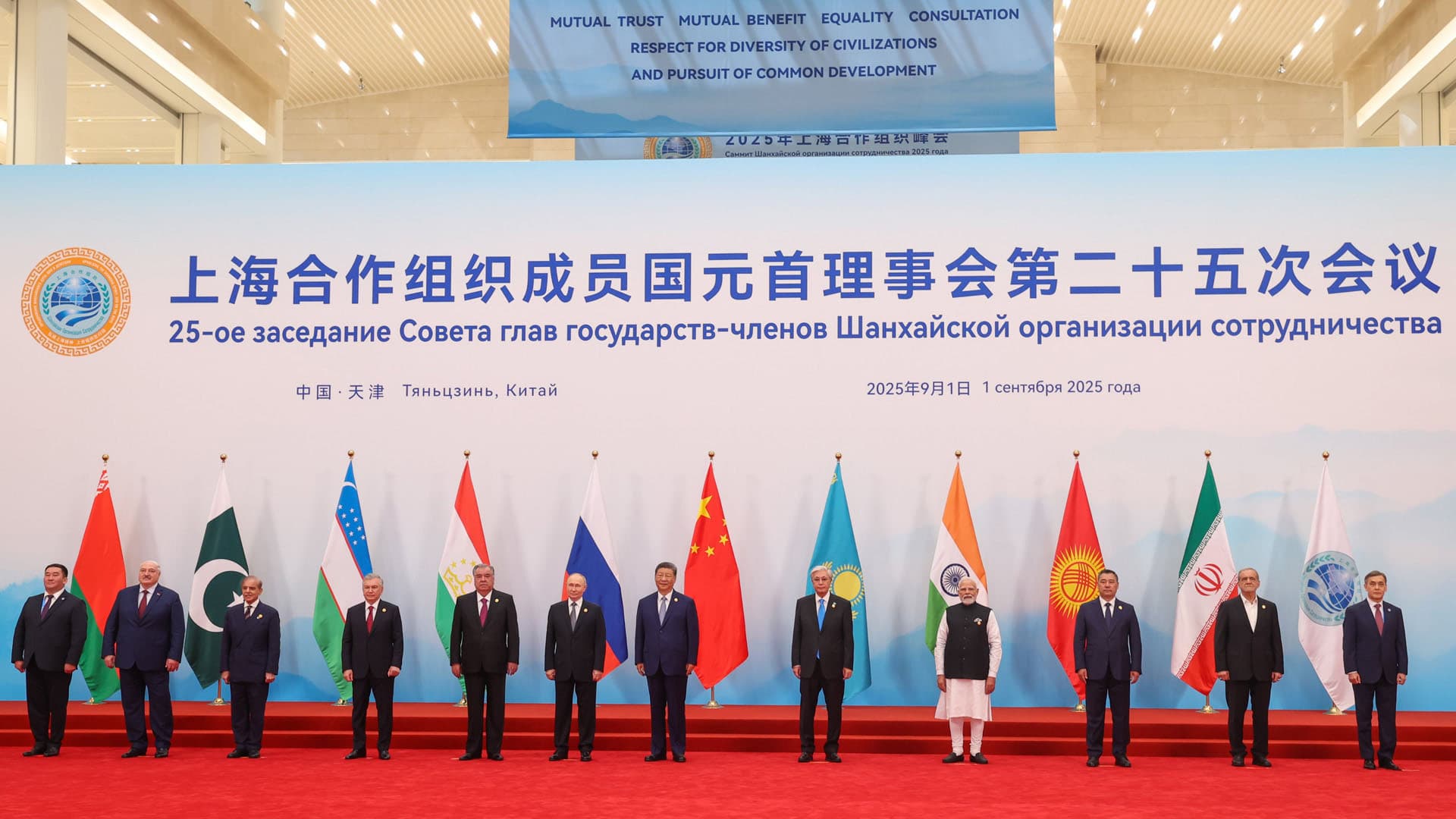
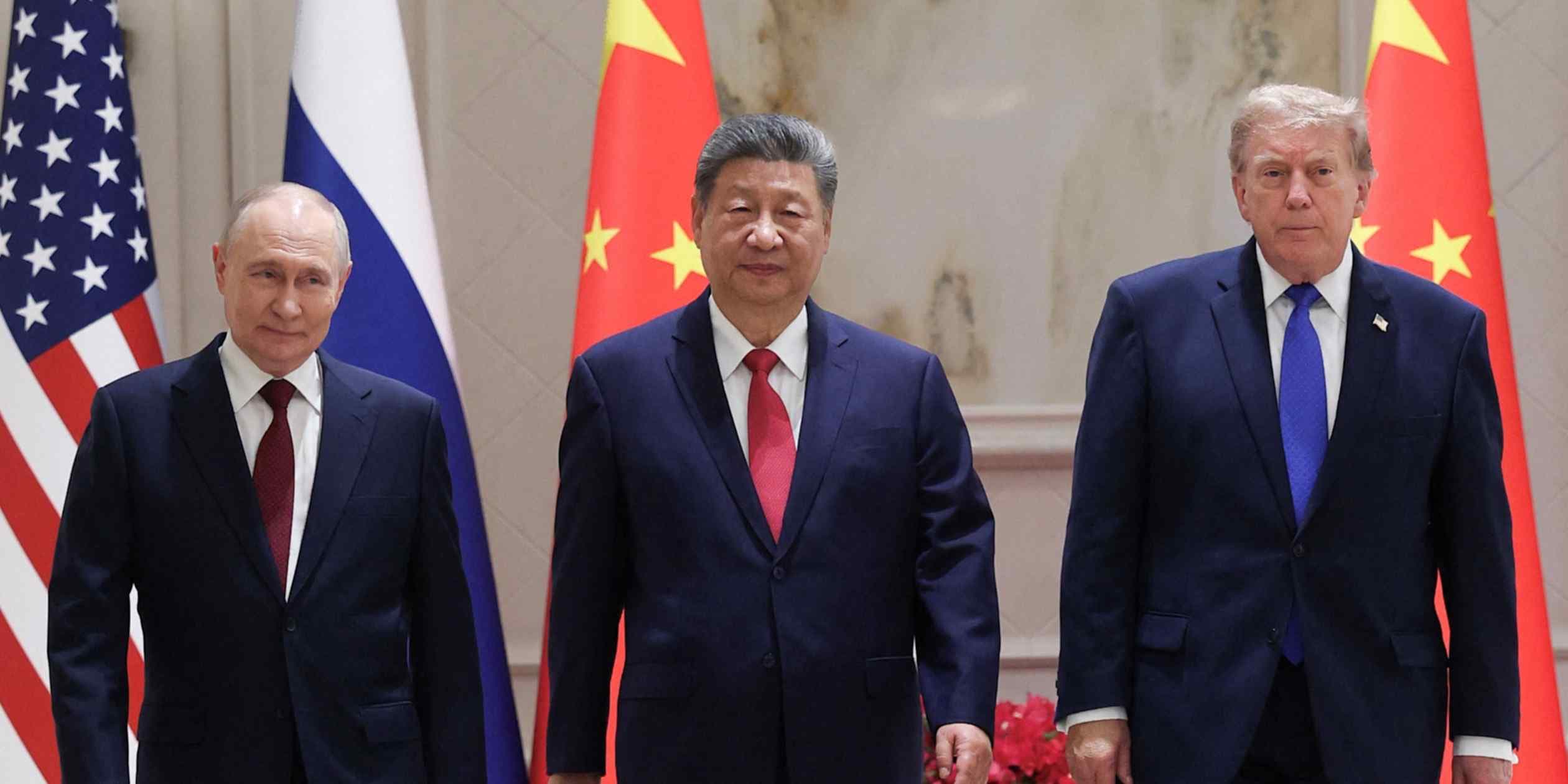
- Participants: Presidents Donald Trump (USA), Vladimir Putin (Russia), and Xi Jinping (China).
- Location: Shenzhen, China, during the Asia-Pacific Economic Cooperation (APEC) summit.
- Declaration: Signed a four-point declaration with a focus on global governance and security.
Key Points of the Declaration
- UN Reform: Advocated for changes in the United Nations structure and operations.
- Petroleum Production: Plans to enhance the production and supply of refined petroleum products.
- International Criminal Court (ICC): Discussion on preventing misuse of jurisdiction by the ICC, relevant particularly to Putin.
- Nuclear Proliferation: Commitment to prevent the spread of nuclear weapons.
Implications
- Xi Jinping claimed a historical legacy linking the three nations as victors of World War II, emphasizing a "shared responsibility for maintaining international peace."
- Analysts perceive this summit as a strategic gain for Putin amidst ongoing geopolitical tensions, particularly relating to the Ukraine War.
Japan's Diplomatic Missteps
- Japanese Prime Minister Sanae Takaichi's reception was notably cold, reflecting strained relations due to her past comments regarding potential Chinese aggression toward Taiwan.
- Her failure to secure formal talks with Xi indicates diplomatic isolation.
- Takaichi had previously described a possible Chinese invasion of Taiwan as a "survival-threatening" scenario for Japan, which has heightened tensions and resulted in Chinese criticism and economic responses.
Economic Context
- Shenzhen's Economic Evolution: Transformative growth from a fishing village to a major technology hub housing companies like Huawei and Tencent, attributed to the establishment of Special Economic Zones post-economic liberalization.
- Trump praised Shenzhen as a model city, presenting a contrast with the state of American infrastructure.
Broader Implications
- The convergence of these three powers highlights a shift in global dynamics and a potential realignment of international alliances, with concerns about the implications for traditional US allies and the liberal global order.
- The cooperative dialogue among these nations raises questions about future international negotiations, particularly regarding security and economic collaborations.
Regional Tensions
- Chinese state media criticism of Takaichi underscores the delicate balancing act in regional diplomacy, particularly concerning Taiwan's status and Japan's defense stance.
- Specific threats from Chinese officials indicate a heightened sense of nationalism and assertiveness in territorial disputes.
Conclusion
The meeting at Shenzhen serves as a crucial indicator of the evolving geopolitical landscape, showcasing both collaboration and conflict among global powers. The ramifications of these discussions will shape international relations and economic policies in the coming years.
Key Terms & Concepts
| United States | Participated in diplomatic meeting |
| Russia | Participated in diplomatic meeting |
| China | Host of the meeting |
| Asia-Pacific Economic Cooperation (APEC) | Summit platform for discussions |
| United Nations | Call for reform |
| International Criminal Court (ICC) | Concerns over jurisdiction |
| Second World War | Historical reference by Xi Jinping |
| Shenzhen | Location of the meeting |
| Special Economic Zones | Facilitated Shenzhen's growth |
| Oppo, Huawei, Tencent | Major tech companies headquartered |
| Japan | Criticized during the meeting |
| Taiwan | Topic of military concern |
| Ferdinand Marcos Jr. |