iAspirants
Mizoram Natural History Museum Recognized
Published on:
Share this post

Article Summary
Summary of the Notification of Mizoram Natural History Museum as a Biodiversity Repository
Biodiversity Repository Notification:
- The Mizoram Natural History Museum (NHM) has been designated as India's 21st biodiversity repository under the Biological Diversity Act, 2002, specifically Section 39.
- This notification was issued by the Ministry of Environment, Forest and Climate Change on June 19, 2026, following recommendations from the National Biodiversity Authority.
Significance:
- This designation enhances biodiversity conservation and scientific documentation in the Indo-Burma biodiversity hotspot.
- It plays a crucial role in the preservation, documentation, and scientific management of biological samples, thus ensuring the protection of India's biodiversity.
Functionality of Biodiversity Repositories:
- Repositories like NHM are vital components of India's biodiversity governance framework, focusing on the secure collection, conservation, documentation, and scientific management of authentic biological samples.
- They support research, education, and sustainable use of biological resources.
Collections and Expertise:
- The NHM will preserve certified biological samples of a variety of flora and fauna, including ferns, macrofungi, reptiles, amphibians, fish, moths, beetles, and butterflies.
- It will serve as a repository for type specimens of newly discovered species in the region.
Biodiversity Statistics:
- Mizoram and the broader northeastern region boast over 7,500 flowering plant species and more than 2,000 species of fauna.
- The museum addresses a significant gap in the network of biodiversity repositories in India, particularly in the less-studied taxa such as ferns and macrofungi.
Ecosystem Restoration and Conservation:
- The repository will contribute to long-term conservation of India’s biological resources and play an important role in ecological restoration following habitat loss or natural disasters.
Research and Collaboration:
- The NHM has already demonstrated its scientific readiness by collecting and preserving over 500 samples, including herbarium sheets and water-preserved collections.
- The multidisciplinary scientific team at NHM includes experts from Mizoram University, specializing in various taxonomic groups.
Alignment with Global Biodiversity Goals:
- This designation supports India’s National Biodiversity Strategy and Action Plan (2024-2030) and aligns with the Kunming-Montreal Global Biodiversity Framework Goal 4, which focuses on enhancing external biodiversity conservation and genetic diversity preservation.
Role of Institutions:
- The NHM will collaborate with the Mizoram State Biodiversity Board and regional research institutions, complementing existing repositories like the Botanical Survey of India and Zoological Survey of India.
This development marks a significant advancement in the conservation of biodiversity in India, emphasizing the importance of scientific research and the role of educational institutions in preserving the natural heritage.
Key Terms & Concepts
| Biological Diversity Act, 2002 | Legislation for biodiversity protection |
| Mizoram University | Institution managing the museum |
| National Biodiversity Authority | Authority recommending the designation |
| June 19, 2026 | Date of notification issuance |
| 21st designated repository | Status of the museum in India |
| Northeast India | Region of biodiversity hotspot |
| 7500 flowering plants | Diversity of plant species |
| 2000 animal species | Diversity of animal species |
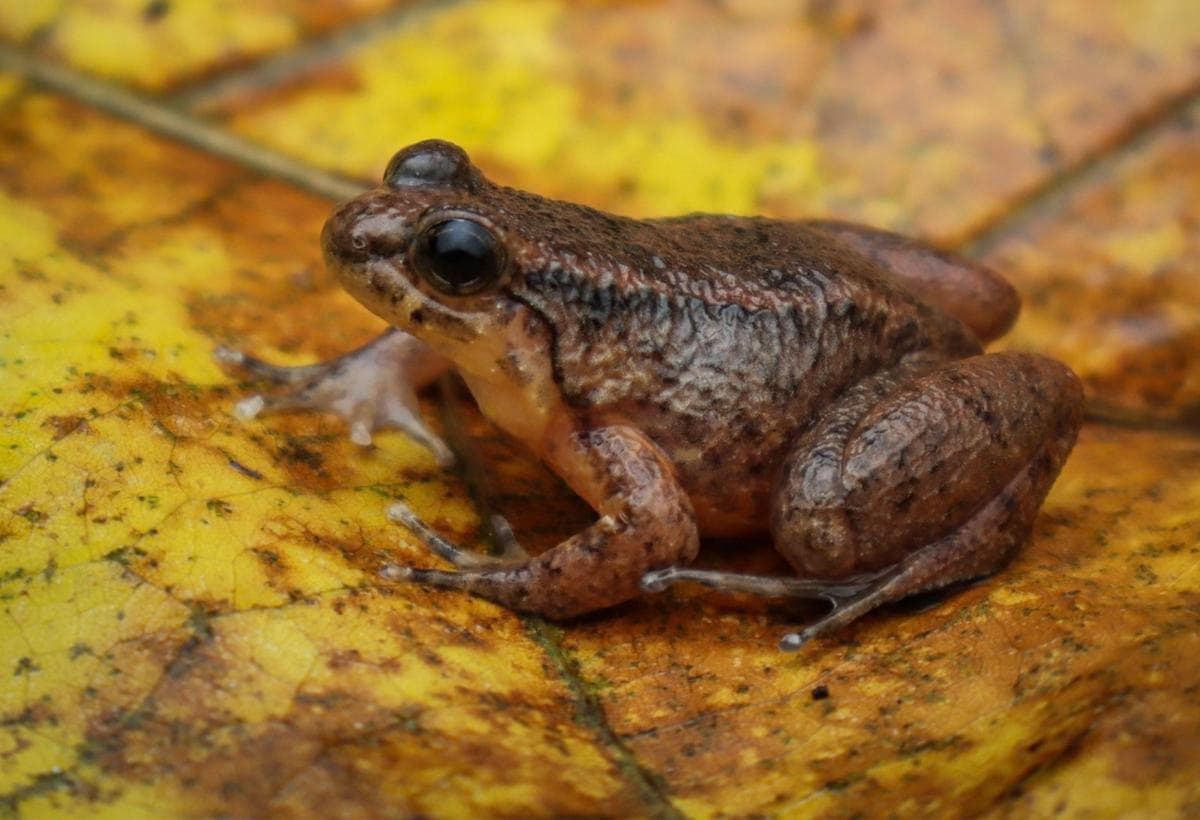
| Leptobrachium tamdil | Recently discovered species |
| Kunming-Montreal Global Biodiversity Framework | International biodiversity policy alignment |
| National Biodiversity Strategy and Action Plan (2024-2030) | National biodiversity goals document |