iAspirants
National Cultural Mapping Mission Overview
Published on:
Share this post
Article Summary
National Cultural Mapping Mission (NCMC) Overview
- Initiative: The National Cultural Mapping Mission (NCMC) is part of the "My Village, My Heritage" (MGMH) initiative, aimed at documenting cultural heritage at the village level across India.
- Objective: To document cultural resources, including folk traditions, arts, history, and cultural heritage of villages, creating a comprehensive database.
Key Features of NCMC and MGMH
- Documentation: Cultural information is recorded as part of the village cultural profile, which includes details about artists, artisans, and cultural presenters.
- Data Management:
- No provision for registration of artists or cultural workers within the NCMC.
- Data is organized by village rather than by category or state, lacking a centralized state-wise database for registered artists and cultural presenters.
- Financial Support: The mission does not provide financial assistance, insurance, or social security support to artists and cultural workers.
- Cultural Institutions: A list of documented cultural institutions and folk art groups is maintained, but separate data for cultural groups is not recorded.
Annexures
- Annexure-I: Lists notable artists and cultural presenters documented under MGMH, including their art forms and respective states.
- Examples include:
- Tulsi Velingkar - Zaghore Folk Theatre, Goa
- Abdul Halim - Baul Singer, West Bengal
- Chittani Ramachandra Hegde - Yakshagana, Karnataka
- Examples include:
- Annexure-II: Lists cultural institutions and folk art groups, showcasing various traditional practices across states.
- Examples include:
- Mahisabthan Rural Handicraft Committee - Traditional handicrafts, West Bengal
- Ratha Art and Culture Centre - Tribal art promotion, Gujarat
- Ninasam (Nilakanteshwar Natya Seva Sangh) - Theatre and cultural education, Karnataka
- Examples include:
Cultural Heritage Importance
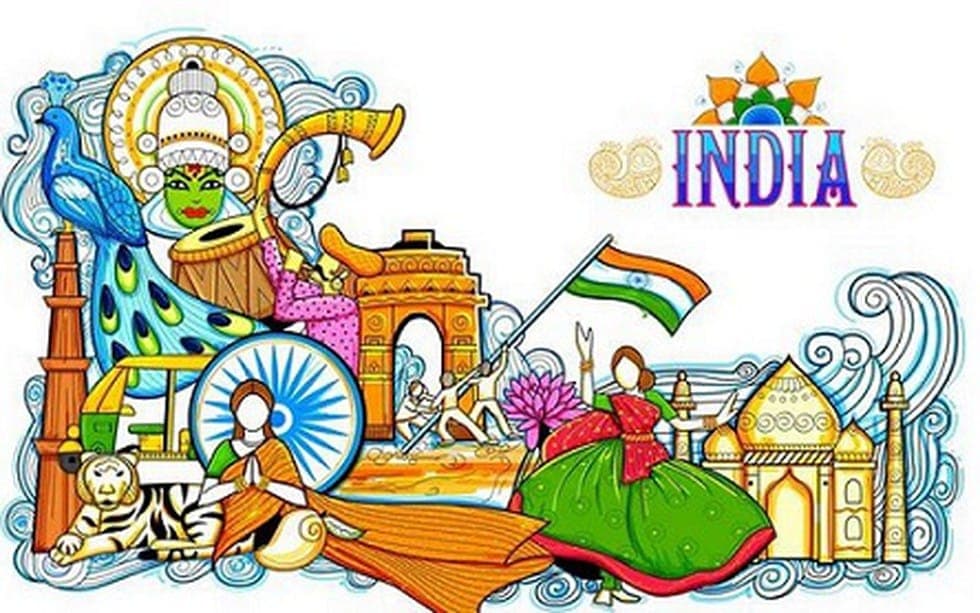
- Cultural Preservation: The NCMC aims to preserve and promote the rich cultural diversity of India at the grassroots level, ensuring that local traditions and practices are documented for future generations.
- Tourism and Education: Currently, there is no provision to connect the cultural mapping database with tourism, education, or skill development initiatives.
Conclusion
The National Cultural Mapping Mission is a significant step towards recognizing and documenting India’s vast cultural heritage at the village level. By focusing on local traditions and practices, it aims to create awareness and appreciation for the diversity of cultural expressions across the country. However, the lack of financial support and centralized data management highlights areas that need further development to enhance the mission's impact.
Key Terms & Concepts
| National Cultural Mapping Mission | Cultural documentation initiative |
| Mera Gaon Meri Dharohar | Village-level cultural mapping |
| Annexure-I | List of documented artists |
| Annexure-II | List of cultural institutions |
| Cultural heritage | Documentation of village traditions |
| Financial assistance | Not provided under NMC |
| Social security assistance | Not provided under NMC |
| Cultural resources | Documentation of cultural resources |
| State-wise data | Not maintained in NMC |
| Tourism and education link | No current provisions |