iAspirants
Current AffairsPrelims PYQsUPSC CSE SyllabusUPSC CSE StrategyBlogsPricing
Login
iAspirants

Your AI-powered companion for UPSC preparation.

Quick Links

  • Home
  • About Us
  • Current Affairs
  • Prelims PYQs
  • UPSC CSE Syllabus
  • UPSC CSE Strategy
  • Blogs

Company

  • Pricing
  • FAQs
  • Contact Us
  • Login

Legal

  • Privacy Policy
  • Terms & Conditions
  • Return Policy

© 2025 iAspirants, Inc. All rights reserved.

  1. Blogs
  2. Economic and Social Development

Nationwide Cloud and AI Skills Initiative

Published on: 23-Aug-2026

Source: PIB

Share this post

Nationwide Cloud and AI Skills Initiative

Article Summary

National Skill Development Corporation (NSDC) and Cultus Education Initiative

Objective:

  • Launch of a nationwide Cloud and AI skill initiative in collaboration with Amazon Web Services (AWS) to empower youth in Tier 2 and Tier 3 cities.

Key Targets:

  • Train 150,000 learners in basic cloud literacy.
  • Provide 10,000 in-depth trainees with job-ready cloud and AI skills through the AWS Re/Start program.

Scheme Details:

  • The initiative aims to address challenges faced by youth in Tier 2 and Tier 3 cities, including limited access to globally recognized technical training and inadequate engagement with technology employers.
  • Participants will receive free group-based workforce development training focused on cloud computing skills, connecting them with local employment opportunities.
  • Graduates will gain access to qualification-based interview opportunities.

Government Support:

  • The initiative is guided by the Ministry of Skill Development and Entrepreneurship (MSDE), Government of India.
  • The program is designed to create an inclusive, skilled workforce essential for the vision of a developed India by 2047.

Implementation:

  • The program will be delivered 100% online through selected delivery partners, ensuring accessibility across all states and union territories, with a focus on marginalized communities.
  • Learners can enroll via an online registration portal and progress at their own pace using AWS digital training materials.

Training Structure:

  • The AWS Re/Start program provides structured, instructor-led training covering cloud infrastructure, security, networking, and AI fundamentals.
  • Participants engage in real-life scenario-based learning, practical labs, and coursework to develop skills in programming, networking, security, and relational databases.

Certification:

  • Successful learners will receive an AWS certification in cloud computing skills, recognized industry-wide.
  • The training culminates in a national hackathon, allowing participants to showcase their cloud and AI solutions to hiring managers, industry leaders, and stakeholders.

Quote from Officials:

  • Mr. Jayant Chaudhary, Minister of State for Skill Development, emphasized the initiative's role in ensuring access to opportunities irrespective of geographical location or background.
  • Mr. Nalin Singh, Group Managing Director of Cultus Education, highlighted the importance of transforming learning into confidence, credentials, and meaningful career opportunities.

Conclusion

This initiative is expected to have a significant social and economic impact by expanding access to high-quality technology training and employment opportunities, especially for underprivileged and emerging talent hubs across India.

Key Terms & Concepts

National Skill Development CorporationImplementing the skills initiative
Cultus EducationPartner in skills training
Amazon Web ServicesProviding training resources
AWS Re/Start ProgramJob-ready training for participants
1,50,000 learnersTarget number for training
10,000 participantsIntensive training targets
Developed India 2047Vision for future skills
100% online trainingMode of training delivery
National HackathonFinal event for showcasing skills
Cloud Computing and AIFocus areas of training
Digital LiteracyBasic skills being taught
Local EmployersJob opportunities for graduates

Mind Map for UPSC Civil Services Revision

Turn UPSC Civil Services Current Affairs Into Exam-Ready Notes

Reading Economic and Social Development current affairs is half the work. Revise them with ready-made notes and test what actually stuck.

  • Daily UPSC Civil Services current affairs analysis
  • Revision notes, mind maps & MCQs
  • Prelims mock tests with instant results

Related UPSC Civil Services Current Affairs Articles

Decreased Vessels in Strait of Hormuz
National and International Importance08-Oct-2026

Decreased Vessels in Strait of Hormuz

Summary of Key Facts and Data Regarding Strait of Hormuz

Shipping Traffic and Incidents

  • The number of vessels transiting the Strait of Hormuz has dropped to seven on October 6, 2026, the lowest count since July 23, 2026.
  • A spike in attacks on tankers occurred, reaching the highest weekly totals since the onset of the US-Israeli war with Iran.
  • On October 6, crude oil transportation through the strait fell by 27%, averaging 10.1 million barrels per day, which represents 74% of pre-war levels.
  • Ship-to-ship (STS) transfers in the Gulf of Oman decreased significantly.
  • Vessels entering the strait outnumbered those exiting in the two days prior to October 7, 2026.
  • Maritime security sources reported attacks reached the highest in any week since the Iran war began, with a notable incident involving a tanker struck 51 nautical miles north of Qatar.
  • Economic Indicators

    • The shipping data indicates that before the Iran war's escalation on February 28, 2026, approximately 125 large commercial vessels traversed the strait daily.
    • These vessels accounted for nearly 20% of global crude oil and liquefied natural gas supplies.

    Regional Responses and Adjustments

    • Exports from the Gulf of Oman coast and the Red Sea increased to 6.7 million barrels per day, more than twice the pre-war levels, compensating for reduced activity in the Strait of Hormuz.
    • Overall crude exports from the Middle East have maintained pre-war levels despite disruptions.

    Conclusion

    The developments in the Strait of Hormuz reflect significant geopolitical and economic dynamics, particularly amidst heightened risks due to maritime attacks linked to the ongoing conflicts involving Iran. The data underscores the strategic importance of this waterway for global oil supplies and the adaptive responses of regional exporters in the wake of rising tensions.

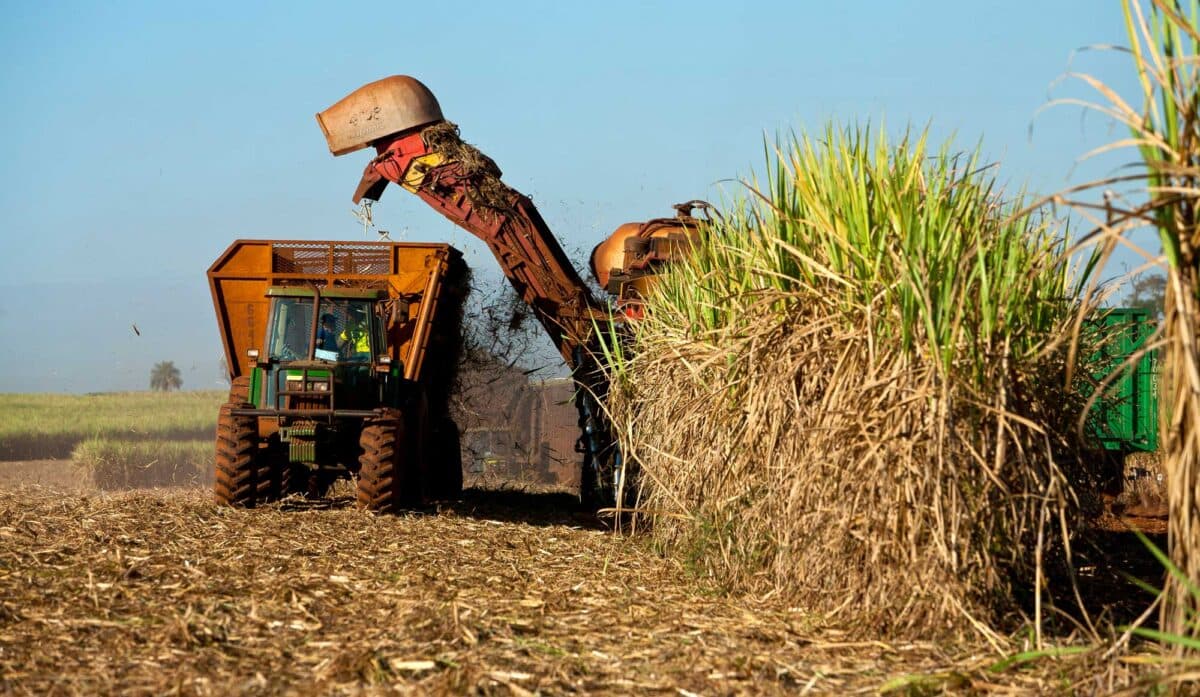
    Farmers Protest Sugar Mill Operations
    Economic and Social Development08-Oct-2026

    Farmers Protest Sugar Mill Operations

    Exam-Focused Summary of the Article

    Key Issues Raised by Farmers' Leader

    • Raju Shetti, a farmers' leader, accused sugar mill owners of starting operations under increased pressures due to government influence and fear of investigative agencies (ED, CBI).
    • Concerns regarding sugar prices potentially reaching ₹100 due to market shortages.

    Government Policies and Recommendations

    • Shetti demands the following before resuming sugar mill operations:
      • Minimum Support Price (MSP) for sugar at ₹50.
      • Ethanol price set at ₹70.
      • Sugarcane MSP at ₹5,000.
    • He referenced the Fair and Remunerative Price (FRP) set by the government at ₹365/quintal for the 2026-2027 sugar season.

    Timeline of Sugar Crushing Season

    • The Centre advised sugar mills to begin crushing from October 15, 2026, to increase production and availability ahead of the festive season.
    • Shetti cautioned that the crushing season should start only after November 15 to ensure optimal recovery rates from sugarcane.

    Economic Data and Sugar Production Insights

    • India produces approximately 300-340 lakh metric tons (LMT) of sugar annually, with a domestic consumption of about 280-290 LMT.
    • Projected sugar production for the ongoing season stands at approximately 306 LMT, revised from an initial estimate of 343 LMT.
    • Sugar prices escalated from ₹48.18 per kg on July 20, 2026, to ₹55.70 per kg on August 20, 2026, influenced by:
      • Lower-than-expected domestic production.
      • Increased demand due to upcoming festive seasons.
      • Weather-related impacts on sugarcane crops.
      • Global sugar supply constraints.
      • Speculative behaviors in the market.

    Possible Action and Agitation

    • Shetti warned of a potential 'kata bandh' (weighbridge shutdown) agitation if mills proceeded to open without adhering to farmers' price demands.

    Impact on Farmers

    • Early crushing of immature cane reduces both recovery rates and weight, adversely affecting farmers' income and crop yield.

    Conclusion

    • The farmers' leader's stance emphasizes the need for adequate compensation mechanisms to ensure both sugar mill owners and farmers do not incur losses amidst government regulations and market dynamics.
    World Bank Upgrades India's Growth Forecast
    Economic and Social Development07-Oct-2026

    World Bank Upgrades India's Growth Forecast

    Economic Overview

    • GDP Growth Forecast: The World Bank has increased India's GDP growth forecast for the fiscal year to 7.1%, up from 6.6%. This growth is anticipated to significantly impact the South Asia region's GDP, projected at 6.9%, revised from 6.3%. Excluding India, regional growth is estimated at 3.6%, down from 4.1%.

    • Contributing Factors: The anticipated growth is attributed to strong momentum in industry and services supported by:

      • Consolidation of labor codes.
      • Goods and Services Tax (GST) reforms.
      • Rationalization of tariffs.
      • The bankruptcy and insolvency act.
      • Investments in both physical and digital infrastructure.
    • Agricultural Sector Challenges: The West Bank has cautioned that agricultural output is likely to be weakened due to below-average monsoons, affecting rural demand and leading to increased food inflation amid rising energy prices.

    • Future Projections: The World Bank forecasts India’s economy to further grow by 7.2% in 2027-28.

    Monetary Policy Update

    • The Reserve Bank of India (RBI) is expected to increase the repo rate by 25 basis points, raising it to 5.5%, in its upcoming Monetary Policy Committee meeting.

    Demographic Trends

    • The World Bank reports a concerning trend in the South Asian demographic, stating that growth in the working-age population is expected to decline from 2.2% annually (1960-2023) to 0.6% over the next 25 years.

    • The transition to an aged population across South Asia will occur at significantly lower income levels than those of other emerging economies, suggesting a need for simultaneous policy addressing labor market dynamics alongside aging issues.

    Artificial Intelligence and Economic Implications

    • AI Adoption in India: According to the World Bank’s 'AI Adoption Index', only 23% of Indian firms utilize AI, compared to 43% of U.S. firms. India's score on the index is 0.27, significantly lower than the U.S. score of 0.85.

    • Adoption Challenges: Despite recent improvements, the benefits of AI adoption appear concentrated within a limited number of Indian firms, with approximately 75% expecting no productivity gain from AI. Additionally, 15% of firms predict a potential revenue decline due to rapid AI advancements.

    • Potential Benefits of AI: The World Bank emphasizes that effective AI adoption could enhance labor productivity, expand export opportunities, and improve public service delivery. However, foundational gaps in infrastructure and policy need to be addressed for these benefits to be realized.

    International Perspective

    • Global Economic Forecasts: Other international agencies including S&P Global Ratings, Fitch Ratings, the OECD, and the Asian Development Bank (ADB) have adjusted their growth forecasts for India for the current fiscal to a range between 6.9% and 7.1% based on India's recent economic performance.

    Conclusion

    These updates underscore a complex economic landscape for India characterized by robust growth aspirations tempered by demographic shifts and sectoral challenges, especially in agriculture and technology adoption. There are crucial implications for policy adjustments to leverage technology and labor dynamics moving forward.

    Concerns Over India's Economic Policies
    Economic and Social Development06-Oct-2026

    Concerns Over India's Economic Policies

    Economic Policy Context and Challenges

    1. Model Bilateral Investment Treaty (BIT) Revision:

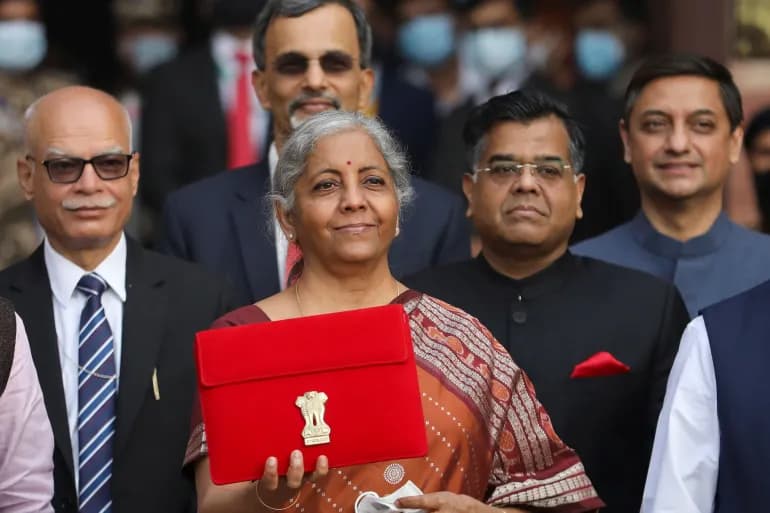
      • The BIT, established in 2016, has been criticized for being too restrictive, requiring foreign investors to litigate in Indian courts for five years before resorting to international arbitration.
      • A revision outlined by Finance Minister Nirmala Sitharaman was announced 18 months ago but remains unimplemented.
    2. Historical Context of BIT:

      • The BIT has proven to be obstructionist, with India being the only country maintaining extensive litigation periods.
      • The count of foreign investment treaties significantly decreased from 73 in 2015 to eight by 2021, with a notable lack of significant foreign capital sources covered.
    3. Foreign Direct Investment (FDI) Data:

      • Record FDI inflow of $94.5 billion in 2025-26.
      • A substantial outflow included $53.6 billion repatriated by foreign investors, leaving a net FDI of $7.65 billion, equivalent to 0.18% of GDP, marking a recovery from 0.02% in 2024-25.
      • This figure is the second-lowest in three decades.
    4. Reinvested Earnings:

      • Reinvested earnings of foreign firms reached $25.6 billion in 2025-26, outpacing net FDI.
      • A negative net direct investment outflow of approximately $18 billion was recorded based on previous definitions used until 2000-01.
    5. Equity Market Performance:

      • In 2025, Indian equities underperformed against emerging markets, with a $17.7 billion net foreign withdrawal and a 9.1% decline in dollar terms year-to-date until August 2025.
      • Compared to other emerging markets, Indian performance lagged substantially, revealing investor concerns.
    6. International Standards and Definitions:

      • Proposal surfaced to categorize portfolio investments held for more than three years as direct investment, which contradicts the OECD’s Benchmark Definition.

    Implications and Recommendations

    1. Impact on Economic Growth:

      • Delayed implementation and revisions to treaties and easy investment procedures hinder potential foreign capital inflow.
      • The focus should shift from merely maintaining existing investments to attracting new commitments.
    2. Need for Policy Reform:

      • The current obstructionist approach needs to be reassessed; logic and rationale should guide policies rather than the status quo or special interests.
      • Interaction with foreign investors about their experiences and expectations regarding BITs and trade agreements is essential.
    3. Strategic Measures for Improvement:

      • Shortening litigation periods and enhancing the appeal of India as an investment destination through a transparent and efficient legal framework is crucial.
      • Engaging in constructive dialogue with international partners on revising BITs to meet global standards could enhance investment attractiveness.

    These notes encapsulate the challenges and statistics surrounding India's economic policies, particularly in relation to foreign direct investment and investment treaties, reflecting significant areas of concern for policymakers and stakeholders.

    India's Water Management Initiatives Highlighted
    National and International Importance06-Oct-2026

    India's Water Management Initiatives Highlighted

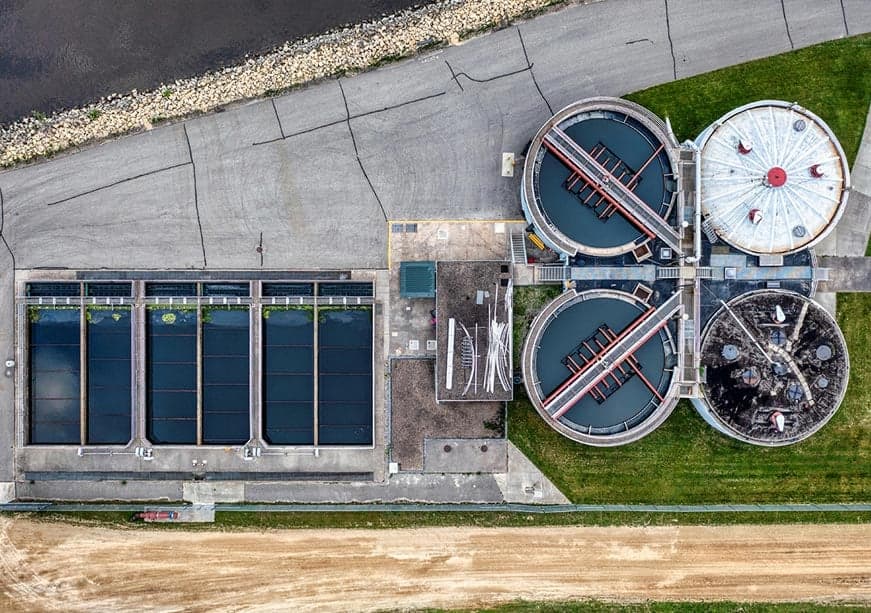
    India International Water Week: Key Highlights

    1. Event Overview:

      • Hosted the ninth edition focused on "climate-resilient water management".
    2. India's Progress:

      • Transitioned from challenges with water access and climate shocks to a proactive stance on managing water resources sustainably.
      • Committed to efficient water use and environmental protection.
    3. Key Government Schemes:

      • Swachh Bharat Mission: Aimed at improving sanitation.
      • Jal Jeevan Mission (JJM): Targets universal access to safe and adequate drinking water.
      • Jal Shakti Abhiyan: A water conservation campaign.
      • Namami Gange: Focused on river rejuvenation for the Ganges.
      • Atal Bhujal Yojana (ABY): Promotes sustainable groundwater management.
      • : Enhances water use efficiency in agriculture.
    Lung Cancer Screening Challenges in India
    Health06-Oct-2026

    Lung Cancer Screening Challenges in India

    Lung Cancer in India - 2024 Overview

    Statistics & Trends

    • Lung cancer is India's leading cause of cancer deaths, accounting for 10.9% (98,687 deaths) in 2024, up from 75,031 deaths in 2022.
    • New lung cancer cases increased from 81,748 (5.8%) in 2022 to 112,000 (7.2%) in 2024, rising from fourth to third in incidence.
    • Survival Rates: 93% of cases are diagnosed in advanced stages; 5-year survival rates are only 7% to 18% when diagnosed late, increasing to 80% if detected in the first stage.

    Screening Challenges

    • Lung cancer screening is largely absent in India's health programs, which primarily screen for breast, oral, and cervical cancers.
    • The current screening methods for more common cancers are low-tech and inexpensive, while Low-Dose Computed Tomography (LDCT) screenings for lung cancer are costly.

    Government Schemes & Recommendations

    • The Indian Council of Medical Research (ICMR) notes that although LDCT is the costliest, it provides significant net monetary benefits and should be considered in national cancer screening programs.
    Per Drop More Crop (PDMC)
  • Case Study: "From Gujarat to India: Water Lessons for the World"

    • Chronicles the evolution of water governance reforms from 2001 to 2026.
    • Emphasizes the role of political leadership, public financing, and community engagement in strengthening water security.
  • Four Key Lessons for Global South:

    • Lead with Governance: Governance is crucial to water security, alongside infrastructure.
    • Integrated Resource Management: Optimize both water resource development and service sustainability.
    • Community Ownership: Effective local governance, such as Pani Samitis, enhances water access.
    • Scalability: Initiatives must be scalable to address global water issues effectively.
  • "4 Ps" Framework for Water Governance:

    • Political Prioritization: Leadership focused on water access and sustainability.
    • Public/Private Financing: Ensuring funding for governance needs.
    • Partnerships: Collaborations between various government levels and organizations.
    • People’s Participation: Involving communities in local water management.
  • Economic Data:

    • Projected annual revenue from treated used water in India to reach Rs 73,000 crore by 2047.
    • Additional $500 billion in annual investment required globally to achieve Sustainable Development Goal (SDG) 6 on water and sanitation by 2030.
  • Global Context:

    • India’s experience is instructive for other countries facing similar water governance challenges in the Global South.
  • Environmental Significance:

    • Importance of integrated management of water resources, ecosystems, and used water for sustainable development.
  • International Engagement:

    • The framework of cooperation was highlighted during the Delhi Declaration in October 2018, emphasizing partnerships for sustainable water management.
  • Future Directions:

    • Urgent need for a sustainable approach to manage surging water demands due to urbanisation and climate change.
    • Emphasis on the importance of treating used water as a valuable resource.
  • By focusing on these elements, India underlines its commitment to addressing water security through innovative governance and sustainable practices in alignment with international standards and agreements.

  • Institutional efforts need to incorporate lung cancer screening strategies, especially using LDCT.
  • Criteria for Screening & Population Risk

    • Current global screening guidelines primarily focus on smokers aged 50-80, leaving many at-risk individuals (including non-smokers and beedi smokers) unaccounted for.
    • Advocates suggest expanding the high-risk category to include:
      • Individuals with a history of bidi smoking.
      • Those exposed to secondhand smoke, biomass fuel, and air pollution.

    Environmental Factors

    • Ambient air pollution is identified as an emerging risk factor.
    • Studies indicate LDCT remains effective in TB-endemic populations, with no significant issues related to false positives due to tuberculosis.

    Scientific Studies & Recommendations

    • The Indian Lung Screening Trial (ILST) and AIRCARE are generating evidence on the effectiveness and risks associated with lung cancer screening in India.
    • Dr. Abhishek Shankar emphasizes the integration of smoking cessation into screening and treatment programs to improve outcomes.

    Suggested Public Health Interventions

    • Public health messaging should be revised to become more actionable; for example, inform smokers over 60 years old to get screened, rather than simply warning them about smoking risks.

    Conclusion

    The increasing prevalence and mortality associated with lung cancer in India necessitate a critical assessment of screening protocols and public health strategies. With targeted screening and an integrated approach including smoking cessation efforts, there is potential to significantly reduce lung cancer incidences and improve survival rates.