iAspirants
Nehru and Ambedkar on Democracy
Published on:
Source: The Hindu
Share this post
Article Summary
Summary of Key Points from the Article
Historical Context
- The article reflects on Jawaharlal Nehru's 1937 essay titled ‘The Rashtrapati’ highlighting the dangers of popularity and despotism in governance.
- Nehru's writing warns against the consequences of strongman politics on India's aspirations for freedom.
Constitutional References
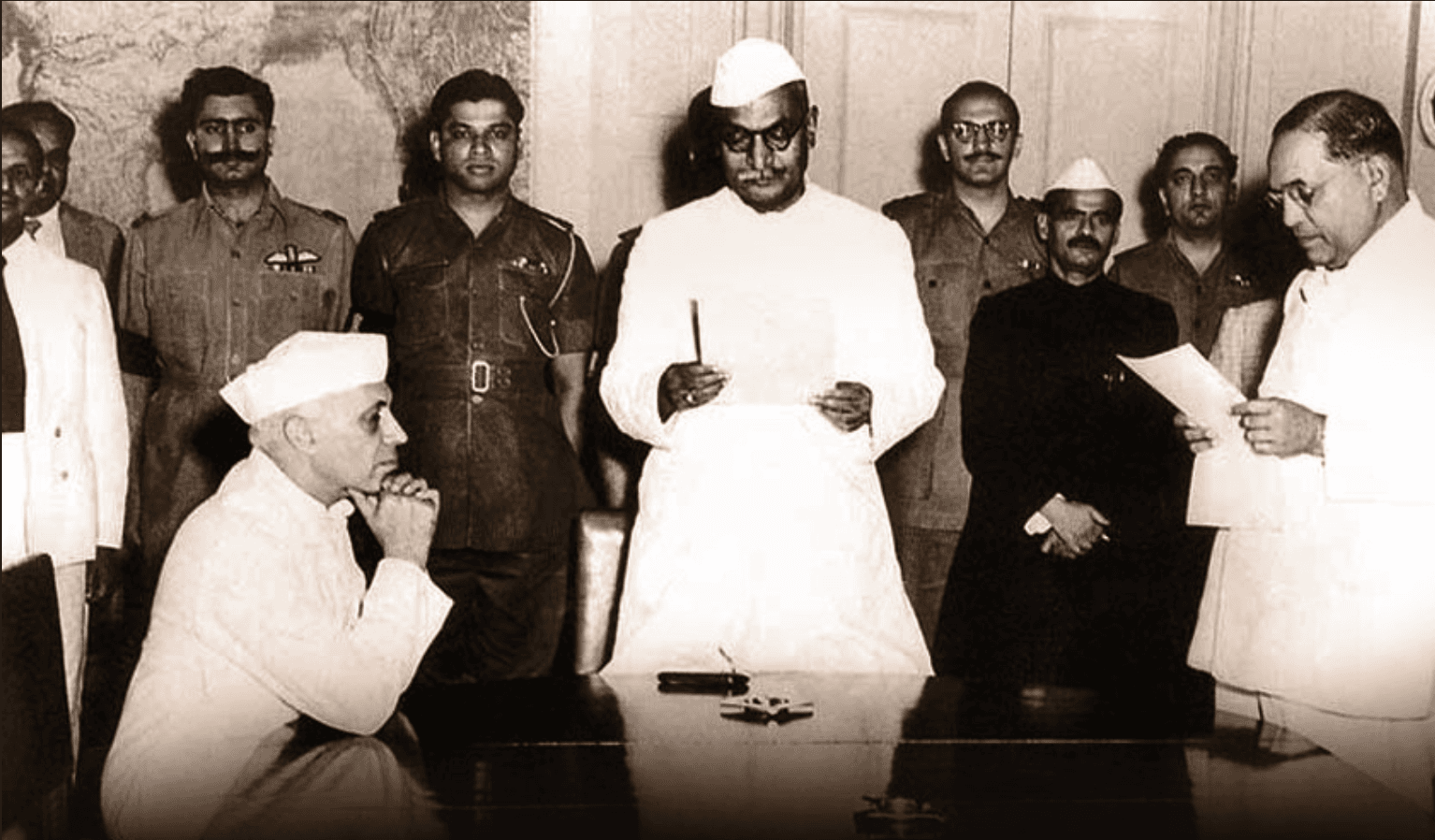
- B.R. Ambedkar, during the Constituent Assembly on November 25, 1949, emphasized the peril of hero-worship in politics, equating it to degradation and potential dictatorship.
- The Constitution relies on the habits of democratic culture, where citizens exercise responsibility, accountability, and skepticism towards power.
Themes of Governance
- The article discusses the tension between democracy and despotism, warning against the elevation of political leaders to cult-like status which threatens democratic values.
- There is an assertion that true freedom involves more than political change; it encompasses the emancipation of individual thought and civic responsibility.
Political Philosophy
- The critiques suggest that political devotion ("bhakti") in terms of leadership can impair the functioning of a republic.
- Emphasis is placed on the need for citizens to question authority and remain vigilant against the concentration of power.
Modern Implications
- The article connects historical insights to contemporary politics, noting a trend toward celebrating disruptive leaders (e.g., Elon Musk, Donald Trump).
- It posits that modern politics, influenced by social media, often reduces citizens to passive spectators rather than active participants.
The Role of Institutions
- There is a reiteration of the importance of institutions over individual personalities in a functioning democracy.
- A call to recognize that democracy thrives on the ability to renew itself through collective efforts rather than through reliance on heroic figures.
Conclusion
- The overarching message is a warning against the dangers of strongman politics and the necessity of maintaining a culture of questioning and accountability in governance.
- The essence of democracy is portrayed as reliant on the collective capability of its citizens to participate and hold their leaders accountable, ensuring the republic does not depend solely on exceptional individuals.
This analysis highlights both the historical reflections of Nehru and Ambedkar on governance and their relevance in understanding the contemporary political landscape.
Key Terms & Concepts
| The Modern Review | Publication of Nehru's essay |
| Rashtrapati | Title of Nehru's essay |
| 1937 | Year of essay publication |
| B. R. Ambedkar | Constituent Assembly address |
| November 25, 1949 | Date of Ambedkar's address |
| Constituent Assembly | Body drafting the Constitution |
| The Odyssey | Cultural reference used |
| Mussolini | Historical example of despotism |
| Hitler | Historical example of despotism |
| citizen’s mind | Concept of citizen emancipation |
| social media | Modern context of politics |
| India | Context of political discussion |