iAspirants
Nepal Floods Cause Regional Devastation
Published on:
Source: The Hindu
Share this post
Article Summary
Summary of Nepal-China Border Disaster (August 2026)
Natural Disaster Overview:
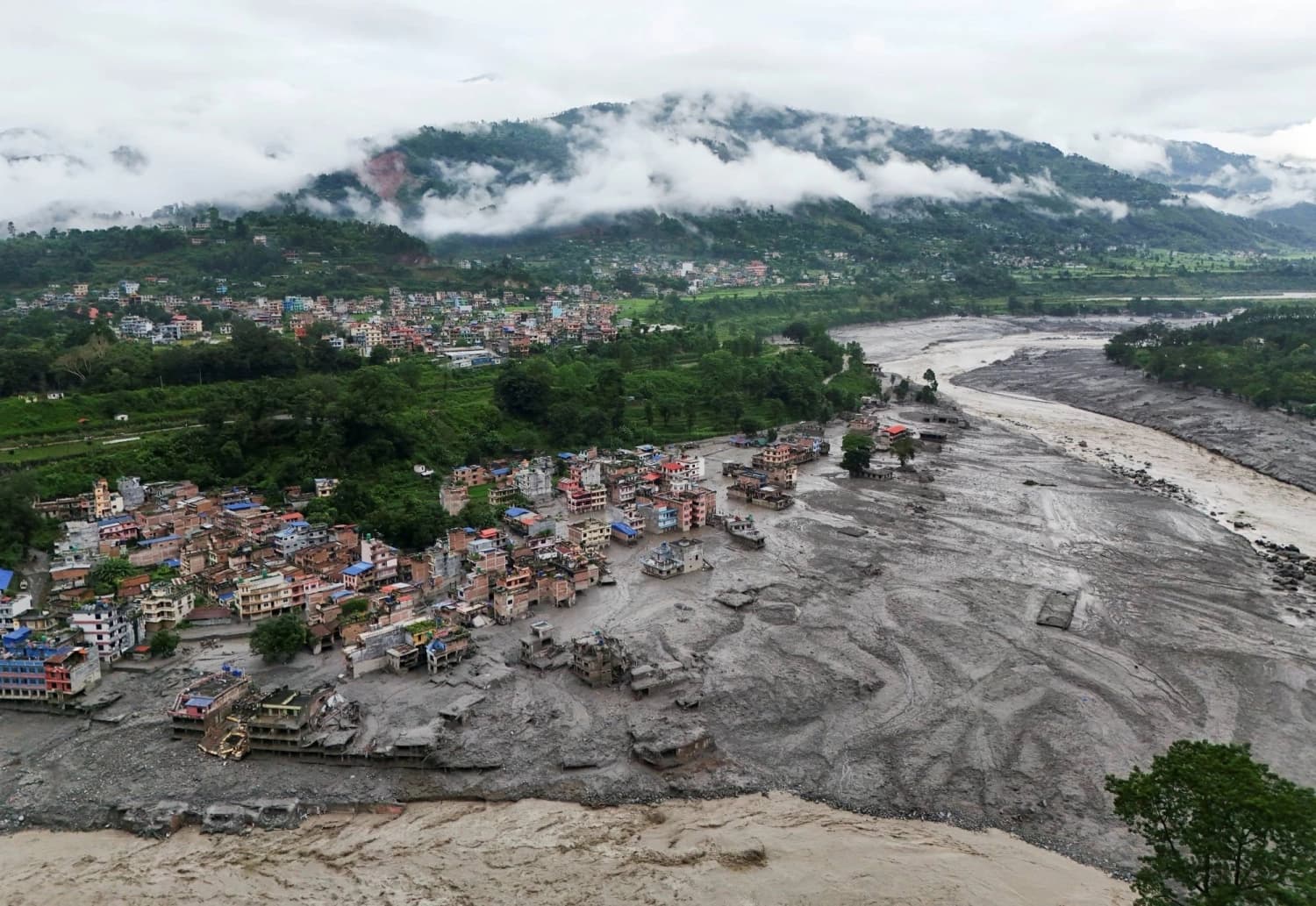
- Event: On August 26, 2026, a significant seismic event near the Nepal-China border initially registered as a 4.4-magnitude earthquake but was later determined to be a glacial collapse, leading to a landslide equivalent to a 5.2 magnitude.
- Impact:
- Casualties: Approximately 579 people confirmed dead; nearly 2,000 reported missing, many believed to be foreign nationals.
- Infrastructure Damage: Vital infrastructure, including bridges and hydropower stations, destroyed, resulting in a loss of 475 megawatts from Nepal's electricity grid.
Regional Effects:
- Countries Affected: Nepal, India, and China experienced significant losses.
- China's Gyirong Port: The port, crucial for trade and previously upgraded to an international-standard land port, is now buried under debris, impacting trade routes.
Economic and Humanitarian Response:
- India's Response:
- The Ministry of External Affairs confirmed missing Indian nationals, mostly tourists on pilgrimage to Kailash Mansarovar.
- Flood threats from rising water levels in the Gandak, Kosi, and Ganga rivers prompted maximum alert in Bihar; communities were evacuated.
- The National Disaster Response Force (NDRF) deployed teams along the Bihar-Uttar Pradesh border.
- The Indian Air Force delivered over 47.5 tonnes of emergency relief supplies to Nepal.
Environmental and Geopolitical Considerations:
- Geopolitical Context: The disaster highlights the interconnectedness of Nepal, India, and China, emphasizing the need for collaboration in disaster management despite existing political tensions.
- Climate Change Implications: The event underscores the increasing unpredictability of natural disasters in the Himalayan region due to climate change, necessitating a coordinated response among neighboring countries.
Future Considerations:
- Framework for Cooperation: The disaster calls for a reevaluation of geopolitical dynamics to foster cooperation among Nepal, India, and China in addressing cross-border natural disasters.
- Humanitarian Assistance: Continued humanitarian efforts will be crucial in the aftermath, and a collaborative approach to disaster management is essential for future preparedness.
Key Data Points:
- Electricity Loss: 475 megawatts from Nepal’s grid.
- Casualties: 579 confirmed dead, ~2,000 missing.
- Emergency Relief: 47.5 tonnes of supplies sent by India.
- Infrastructure Damage: Major loss to bridges, hydropower stations, and trade routes.
Conclusion:
The catastrophic glacial collapse near the Nepal-China border serves as a stark reminder of the fragility of human life and infrastructure in the context of natural disasters, urging a collaborative approach to disaster management among the affected nations.
Key Terms & Concepts
| 4.4-magnitude earthquake | Initial seismic event reported |
| 5.2 magnitude | Revised magnitude of landslide |
| 579 people | Estimated fatalities in Nepal |
| 2,000 people | Estimated missing persons |
| 475 megawatts | Electricity generation capacity lost |
| China’s Gyirong Port | International land trade port |
| $175.8 million | Cost of Gyirong Port upgrade |
| National Disaster Response Force (NDRF) | Deployed teams for relief |
| 47.5 tonnes | Emergency relief material sent |
| Kailash Mansarovar | Pilgrim destination affected |
| Bihar and Uttar Pradesh | States on alert for floods |
| Gandak, Kosi, Ganga rivers | Rivers affected by flooding |