iAspirants
Nepal's Prime Minister Addresses Border Dispute
Published on:
Share this post
Article Summary
Summary of Key Points from the Article on Nepal-India Border Dispute
Constitutional and Legal Context
- Constitutional Reference: The border dispute involves amendments made during K.P. Sharma Oli’s tenure, when the Nepalese constitution was amended to include Lipulekh, Limpiyadhura, and Kalapani in Nepal's official map.
- Historical Treaties and Agreements: The dispute dates back to the era of British colonial rule, highlighting the importance of historical treaties in resolving current border issues.
Government Statements
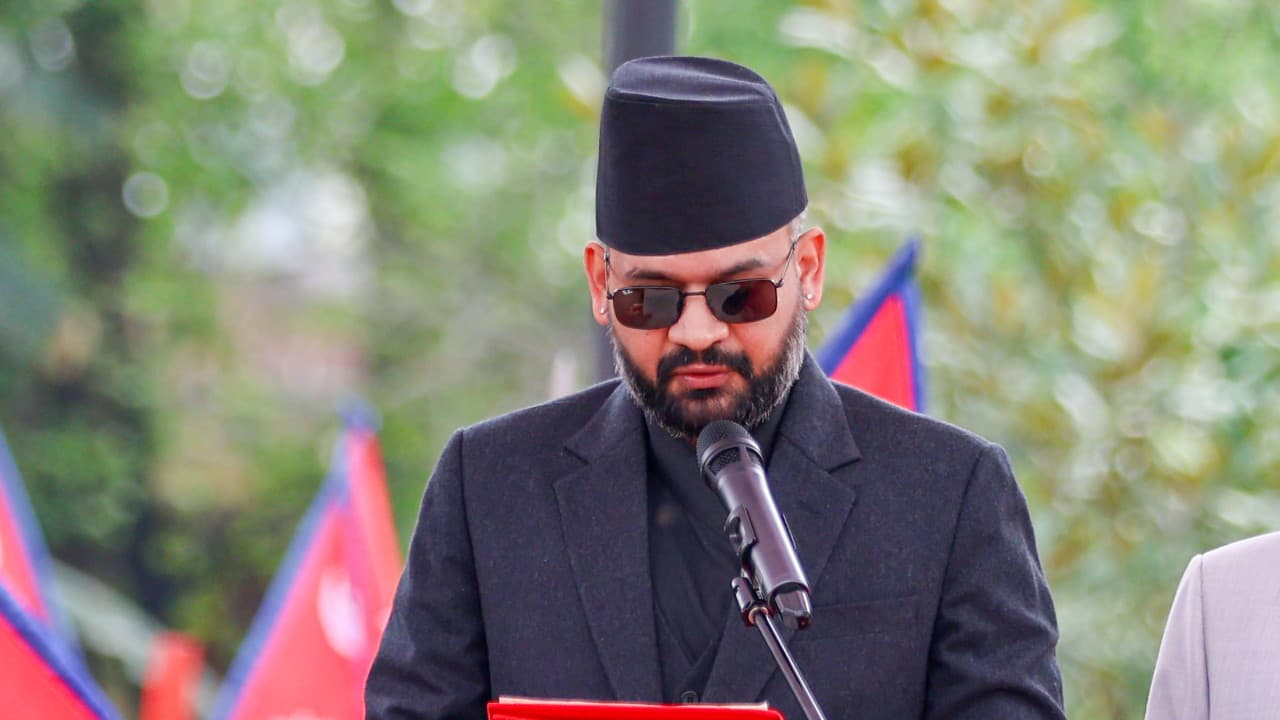
- Prime Minister Balendra Shah: Acknowledged in Parliament that Nepal has encroached upon some Indian territories, marking a significant public admission that has led to political controversy in Nepal.
- Nepal Ministry of Foreign Affairs: Clarified that Shah's statement referred to issues of "cross-border occupation" and encroachment in no-man's land, emphasizing the need for diplomatic dialogue to resolve border disputes.
Political Reactions
- Opposition lawmakers criticized Shah's remarks, demanding clarity on the specific territories in question and expressing concerns over national integrity.
- The Prime Minister's previous reluctance to engage with Parliament raised questions about his leadership and approach to governance.
Disputed Areas
- Kalapani, Lipulekh, and Limpiyadhura: These regions are claimed by both Nepal and India, with recent tensions arising from India's announcement of a pilgrimage route through Lipulekh.
- Nepal's assertion of its claims in 2020 was a response to India's political map publication that included these areas within Indian territory.
Diplomatic Engagements
- Shah's comments coincided with the planned visit of his party president, Rabi Lamichhane, to New Delhi for talks with Indian officials.
- The Nepalese government communicated with India and China regarding the border dispute, asserting that the issue should be resolved through dialogue.
Technical Studies
- The Nepal Ministry of Foreign Affairs referenced technical studies indicating that some land currently used by Nepali citizens may actually fall within Indian territory due to historical boundary demarcation practices.
International Relations
- Shah suggested that the UK should be involved in resolving these disputes due to its historical role in the region, highlighting the complexity of international relations stemming from colonial legacies.
Economic and Social Implications
- The ongoing territorial disputes may have implications for bilateral trade, pilgrimages, and cross-border relations, potentially affecting economic activities in the border regions.
Conclusion
The statements made by Prime Minister Balendra Shah have reignited discussions on the sensitive issue of border disputes between Nepal and India. The situation underscores the importance of diplomatic dialogue, historical context, and the need for clarity in governance and international relations.
Key Terms & Concepts
| Kalapani region | Disputed territory between Nepal and India |
| Lipulekh | Historic trade route claimed by India |
| Limpiyadhura | Territory claimed by Nepal |
| British India | Historical context for border dispute |
| Fixed Boundary Principle | Agreed principle for boundary demarcation |
| Constitutional amendment 2020 | Included disputed territories in Nepal's map |
| K.P. Sharma Oli | Former Prime Minister during constitutional amendment |
| Nepal Ministry of Foreign Affairs | Clarified PM's statement on encroachment |
| Rabi Lamichhane | President of Shah's party, visiting India |
| Dasgaja area | Area mentioned in encroachment context |