iAspirants
Current AffairsPrelims PYQsUPSC CSE SyllabusUPSC CSE StrategyBlogsPricing
Login
iAspirants

Your AI-powered companion for UPSC preparation.

Quick Links

  • Home
  • About Us
  • Current Affairs
  • Prelims PYQs
  • UPSC CSE Syllabus
  • UPSC CSE Strategy
  • Blogs

Company

  • Pricing
  • FAQs
  • Contact Us
  • Login

Legal

  • Privacy Policy
  • Terms & Conditions
  • Return Policy

© 2025 iAspirants, Inc. All rights reserved.

  1. Blogs
  2. Polity and Governance

New Chief Justice of Rajasthan Sworn In

Published on: 08-Sep-2026

Source: The Hindu

Share this post

New Chief Justice of Rajasthan Sworn In

Article Summary

  • Judicial Appointment: Justice Sanjay Kumar Agrawal has been sworn in as the 44th Chief Justice of the Rajasthan High Court. His appointment follows a recommendation from the Supreme Court Collegium and notification by the Union government.

  • Background:

    • First appointed as an additional judge of the Chhattisgarh High Court in September 2013.
    • Became a permanent judge in March 2016.
  • Significance of Appointment: Justice Agrawal's role is seen as pivotal for streamlining the judicial system in Rajasthan and expediting the resolution of pending cases.

  • Controversy: His appointment comes amid controversies surrounding Justice Sanjeev Prakash Sharma, the Acting Chief Justice of the Rajasthan High Court since September 2025. Allegations against Justice Sharma include:

    • Misuse of powers
    • Favouritism and nepotism
    • Administrative lapses
  • Judicial Complaints: Justice Sandeep Mehta of the Supreme Court has written to the Chief Justice of India (CJI) regarding the alleged misconduct of Justice Sharma. This has prompted protests from lawyers in Jodhpur and Jaipur demanding a permanent Chief Justice.

  • Retirement: Justice Sharma is set to retire on September 26, 2026, and has denied the allegations against him, requesting patience from stakeholders until the CJI makes a decision.

  • Key Figures:

    • Justice Sanjay Kumar Agrawal: Newly appointed Chief Justice of Rajasthan High Court.
    • Justice Sanjeev Prakash Sharma: Acting Chief Justice facing allegations.
    • Justice Sandeep Mehta: Supreme Court judge raising complaints.

This summary reflects the current state of judicial leadership in Rajasthan, highlighting the importance of judicial integrity and the processes involved in appointments and transfers within the judiciary.

Key Terms & Concepts

Justice Sanjay Kumar Agrawal44th Chief Justice of Rajasthan
Chhattisgarh High CourtPrevious position of Agrawal
Supreme Court CollegiumRecommended Agrawal's elevation
September 2013Agrawal appointed additional judge
March 2016Agrawal became permanent judge
September 2025Sanjeev Prakash Sharma acting
September 26Retirement date of Sharma
JodhpurLocation of High Court
JaipurLocation of High Court Bench
Governor Haribhau BagadeAdministered oath of office
Chief Minister Bhajan Lal SharmaPresent at swearing-in ceremony
Protests by lawyersDemanded removal of Sharma

Mind Map for UPSC Civil Services Revision

Turn UPSC Civil Services Current Affairs Into Exam-Ready Notes

Reading Polity and Governance current affairs is half the work. Revise them with ready-made notes and test what actually stuck.

  • Daily UPSC Civil Services current affairs analysis
  • Revision notes, mind maps & MCQs
  • Prelims mock tests with instant results

Related UPSC Civil Services Current Affairs Articles

Code of Ethics for Digital Publishers
Polity and Governance23-Oct-2026

Code of Ethics for Digital Publishers

Summary of the Digital News Publishers Association Code of Ethics

Commitment to Responsible Digital Publishing

  • Constitutional Reference: Upholds Article 19(1)(a) of the Indian Constitution, which guarantees the right to freedom of speech and expression.

Framework of the Code

Allegations of misconduct
Complaints against Justice Sharma

Compliance with Laws: Adherence to over 30 laws related to media, including the Information Technology Act, 2000, the Indian Penal Code, and Code of Criminal Procedure.

  • Ethical Standards: Emphasis on accuracy, transparency, fairness, and non-publication of distorted material. Pre-publication verification is mandatory, and defamation must be avoided.

  • Right of Reply:

    • Incorporation of responses from individuals or parties regarding allegations made.
    • Updates to reports to be reflected appropriately.
  • Content Management:

    • Mechanism for taking down or editing content found to be false or inaccurate.
    • Deletion of the entire article if deemed necessary.
  • Intellectual Property Rights:

    • Respect for copyright and trademarks with prior permission required for use.
    • Procedures to remove infringing content upon request.
  • Reporting Sensational Matters:

    • Maintains presumption of innocence and avoids speculation.
    • Fact-based reporting required, especially in sensitive circumstances.
  • Special Care in Reporting:

    • Focus on sensitive matters like sexual harassment, child abuse, and riots.
    • Compliance with Sections 67, 67A, and 67B of the IT Act, dealing with obscene material.
  • Grievance Redressal:

    • Compliance with grievance mechanisms under the IT Act, 2000.
    • Appointment of a grievance officer to address complaints within a structured timeline (complaints acknowledged within 36 hours; resolved within one month).
  • Training Programs:

    • Ongoing training for journalists on legal compliance related to media laws (e.g., The Indecent Representation of Women (Prohibition) Act, Right to Information Act, and POCSO).
    • Specific focus on victim anonymity, communal harmony, and proper judicial reporting.
  • Key Ethical Guidelines

    • Avoid revealing identities or details of minors or victims in sensitive matters.
    • Careful reporting on communal disputes to promote public peace.
    • Respect for privacy and accuracy in all reporting, ensuring a balance of perspectives, especially in contentious issues.

    Conclusion

    The Code serves as a self-regulatory framework aimed at enhancing the integrity and professionalism of digital news publishing while safeguarding constitutional rights. It reflects a proactive approach to ethical journalism and responsibility towards society at large.

    Election Commissioners Seek Action on Officer
    Polity and Governance23-Oct-2026

    Election Commissioners Seek Action on Officer

    Summary of Key Facts and Findings

    1. Context of Letters by Election Commissioners

    • Commissioners Involved: Sukhbir Singh Sandhu and Vivek Joshi, members of the Election Commission of India (ECI).
    • Issue Raised: Concerns about Senior Deputy Election Commissioner Maneesh Garg's actions related to work allocation following his assumption of additional responsibilities.

    2. Cabinet Secretary's Acknowledgment

    • Date of Letters: July 29, 2026.
    • Cabinet Secretary's Response: Letters were acknowledged on August 5, 2026, but action deemed "inappropriate" to avoid interference with the constitutional body.

    3. Details of the Conduct in Question

    • Work Allocation Order: Issued on July 28 by Garg without proper consultation or communication with the Commission or relevant officers.
    • ECs’ Concerns: Allegation that Garg acted contrary to established protocols preventing unilateral decision-making.

    4. Constitutional Framework

    • Nature of the Commission: The ECI is a multi-member constitutional body, insulated from executive interference to ensure independent functioning and transparency.
    • Legal Provisions: The ECI operates under Article 324 of the Indian Constitution which grants it powers to supervise and conduct elections.

    5. Internal Process and Documentation

    • Internal Discussions: Noted by Cabinet Secretariat on August 3 and 4, 2026, regarding the handling of complaints and acknowledging the need to involve the Chief Election Commissioner (CEC).
    • Final Decision: The matter to be documented but without any actionable interference, signifying respect for the constitutional autonomy of the ECI.

    6. Conduct of Officers and Governance

    • Employment Status: Maneesh Garg is an IAS officer appointed by the Appointments Committee of the Cabinet (ACC); governed by ECI rules.
    • Future Implications: Cabinet Secretary's note hoped to keep the matter on record for future decision-making about Garg’s conduct.

    7. Transparency and Accountability

    • RTI Application: Transparency campaigner Commodore Lokesh K Batra’s request led to the revelation of ECI internal communications.
    • EC Communication: Email communications were regarded as personal expressions from the EC members rather than formal commission stances.

    Conclusion

    The events detail an internal dispute within the ECI over procedural adherence and the authority of a senior officer, framed within the constitutional mandate of the body. The caution against perceived executive interference highlights the delicate balance of governance and independence of electoral institutions in India.

    Tamil Nadu Elections and Child Involvement
    Polity and Governance23-Oct-2026

    Tamil Nadu Elections and Child Involvement

    Key Facts and Concepts from the Tamil Nadu Election Analysis

    1. Election Overview:

      • Tamilaga Vettri Kazhagam (TVK) party won state elections in May 2026, led by Chief Minister Joseph C. Vijay.
      • Significant voter appeal among youth; strong influence of familial discussions on voting behavior observed.
    2. Court Involvement:

      • A contested petition by DMK alleging undue influence of children in the electoral process was dismissed by the High Court.
      • Justice D. Bharatha Chakravarthy expressed concern over using children for political persuasion, calling for potential legislative examinations on the matter.
    3. Constitutional References:

      • The UN Convention on the Rights of the Child emphasizes children’s rights to participate in political processes.
      • Discussions highlight the difference between genuine political engagement and manipulation.
    4. Legislation and Acts:

      • Representation of the People Act, Section 123: Addresses undue influence in elections. The court found no evidence of undue manipulation regarding voters, despite ethical concerns about child involvement.
    5. Judicial Commentary:

      • Justice Chakravarthy critiqued the trend of involving children in adult political decisions, asserting it conditions poor parenting practices.
    6. Political Campaign Tactics:

      • “Pester power” phenomenon noted wherein children influence parental voting decisions based on emotional attachments to celebrities.
      • The campaign strategy was likened to consumer marketing, motivating children to advocate for political candidates.
    7. Child Rights and Agency:

      • Experts argue children should have a political voice but caution against using them as tools for adult agendas.
      • The manipulation of children’s influence in electoral politics poses ethical issues, potentially undermining their developmental rights.
    8. Behavioral Concerns:

      • Presence of "undue pressure" on children linked to their emotional ties with candidates; adults retain autonomy in voting despite manipulative pressures.
      • Experts advocate for laws to protect children from being coerced into campaigns, drawing parallels to child labor laws.
    9. Civic Education and Voter Responsibility:

      • Discussion emphasizes the importance of informed choices in democratic processes as vital to the strengthening of democracy.
      • Recognizing the need for children's agency while distinguishing between authentic political engagement and orchestrated advocacy by adults.
    10. Future Considerations:

      • Legal discussions to potentially include regulations preventing the exploitation of children's influence in political campaigning.
      • Importance of safeguarding children’s rights in political processes to promote genuine civic engagement without exploitation.

    Conclusion

    The recent electoral dynamics in Tamil Nadu highlight critical issues regarding children's rights in democracy, manipulation in political campaigns, and the ethical implications of using children's influence in adult decision-making. The intersection of law, child development, and electoral integrity calls for ongoing discourse and potential legislative action.

    Disenfranchisement Crisis in India
    Polity and Governance21-Oct-2026

    Disenfranchisement Crisis in India

    Summary of Key Points on Special Intensive Revision (SIR) and Voter Exclusion in India

    Disenfranchisement Concerns

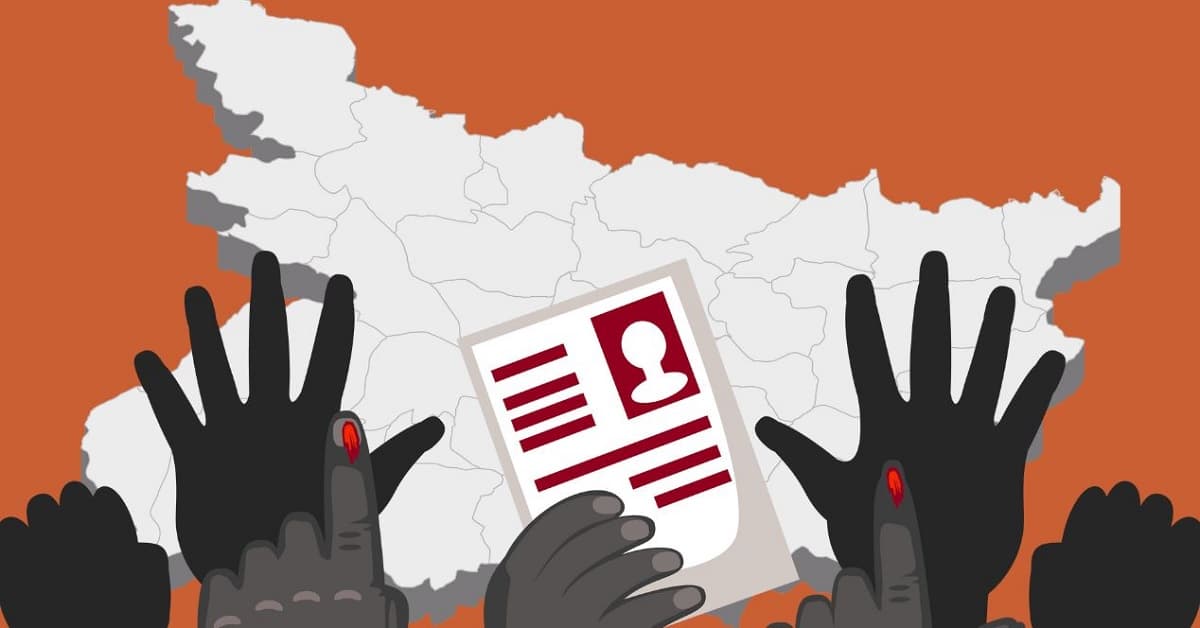
    • Voter Deletion: The Special Intensive Revision (SIR) resulted in the deletion of approximately 13.3 crore names from pre-SIR voter lists, raising concerns about mass disenfranchisement.
    • Absence of Audit: Critics argue there has been an unfair exclusion; supporters counter that deleted names were mainly due to reasons categorized as Absent, Shifted, Dead, or Duplicate (ASDD) per the Election Commission of India (ECI).

    Voter Population Analysis

    • Comparison Method: Evaluating the post-SIR voter lists against the official estimates of the adult population eligible to vote offers a more robust perspective on potential disenfranchisement.
    • Adult Population Estimates: Based on the Technical Group on Population Projections, estimates suggest that by early 2026, the adult population would consist of around 101.6 crore individuals.
    • Exclusion Statistics:
      • For nine major states, there exists a deficit of over 7 crore voters, equating to roughly 12% of the adult population.
      • In Uttar Pradesh, the exclusion rate is significant, with about 2.8 crore adults — over 17% of the adult population — not accounted for.

    Total Missing Voters

    • Assuming the general exclusion rate observed in nine states is representative, the total number of excluded adults across India could be around 12 crore.
    • Projected final post-SIR voter list may stand at approximately 87.8 crore, indicating about 14 crore missing voters — eligible citizens who should be on the electoral rolls.

    Claims and Counterarguments

    • Supporters of SIR argue that certain levels of non-registration should be expected and do not indicate disenfranchisement. Bhalla suggests that 7.5% of the young adult population might be voluntarily non-registered.
    • Critics dispute this view, asserting that voter ID is critical for access to services, and non-registration reflects a failure in the electoral process rather than voluntary decisions by citizens.

    Policy and Legislative Context

    • The debates are rooted in the right to vote, implicit in the Constitution of India under Article 326, which mandates the election of the House of the People based on universal suffrage.

    Final Thoughts

    • The ongoing analysis highlights crucial discrepancies between the expected voter population and the actual registered voters post-SIR, raising serious questions about the electoral integrity and inclusivity of the democratic process in India. The findings call for a re-evaluation of electoral policies and mechanisms to ensure comprehensive voter registration and participation.
    Supreme Court Ruling on Internet Rights
    Polity and Governance21-Oct-2026

    Supreme Court Ruling on Internet Rights

    Supreme Court Ruling Overview (October 15)

    1. Judicial Rulings and Constitutional References:

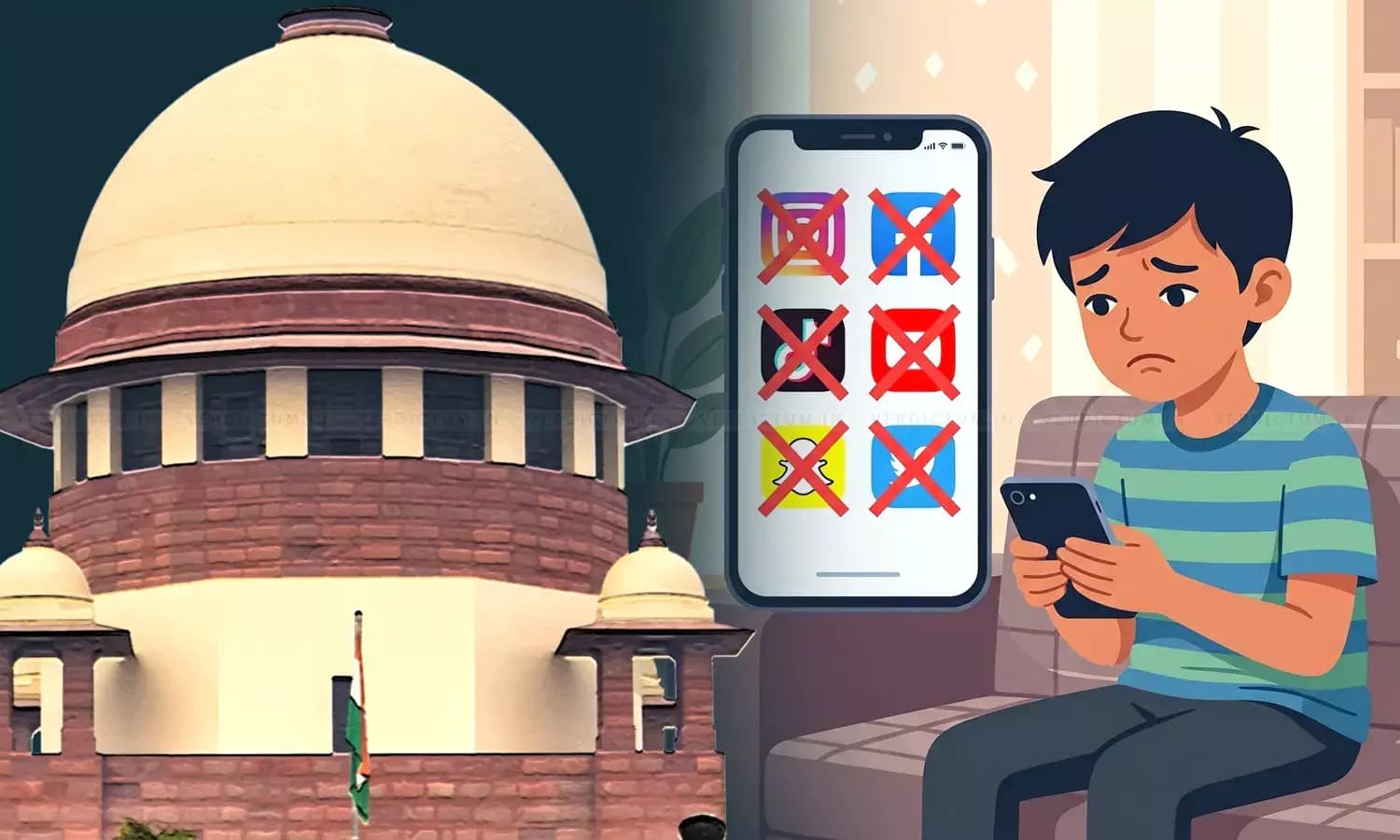
      • The Supreme Court ruled that access to the internet is a fundamental right, supported by:
        • Article 19: Freedom of speech and expression.
        • Article 21: Right to life and personal liberty.
      • Emphasizes the potential for citizens to invoke these rights in court, particularly against unreasonable Internet restrictions.
    2. Tightening of Child Protection Regulations:

      • The Court addressed child sexual exploitation and abuse material online by:
        • Mandating the creation of a national database for digital identifiers related to child abuse materials.
        • Directing removal of "known origin" matches from this database without prior verification.
        • Introducing potential hefty fines for intermediaries failing to comply with the removal of harmful content.
    Challenges to India's Democratic Institutions
    Polity and Governance20-Oct-2026

    Challenges to India's Democratic Institutions

    Summary Notes on Indian Democracy and Election Integrity

    1. Historical Context:

      • India's democracy was established post-colonial struggle; not a gift but a hard-earned right.
      • The Constitution, drafted by the Constituent Assembly under B.R. Ambedkar, established India as a sovereign democratic republic with universal adult suffrage.
    2. Constitutional References:

      • Article 324: Grants the Election Commission of India (ECI) powers for the superintendence, direction, and control of elections, emphasizing the need for independence and public confidence.
    3. Judicial Rulings:

      • 2024 Supreme Court Ruling: Struck down the electoral bonds scheme, critiquing the opaque political funding that favored the ruling party disproportionately.
    4. Legislation and Policy Developments:

      • 2023 Law on Chief Election Commissioner Appointment: Altered the selection process of Election Commissioners from a Supreme Court-led committee to one dominated by the executive, thus increasing government influence over the ECI.
    5. Concerns Regarding Electoral Integrity:

      • Over 13 crore names deleted from electoral rolls during the Special Intensive Revision (SIR) process, leading to calls for transparency and challenges to citizens' voting rights.
      • Controversy over unilateral changes to Form 6 heightened concerns of diminished electoral integrity and public trust.
    6. Public and Political Response:

      • Non-violent protests have been met with heavy police presence and repression, raising concerns about civil liberties.
      • Growing demands for reforms include:
        • Independent and transparent appointments to the ECI.
        • Review of electoral-roll deletions.
        • Transparency in political funding and accountability for exclusionary practices.
        • Restoration of paper ballots to enhance trust in the electoral process.
    7. Civil Society and Activist Movements:

      • Formation of the INDIA bloc, including Left participation, advocating for a restoration of faith in democracy and electoral processes.
      • Emphasis on public determination of their leaders, resisting top-down election manipulations.
    8. Press Freedom and Civil Rights:

      • Detainments of journalists and protestors have drawn criticism and highlighted the ongoing conflict between governmental authority and democratic rights.
    9. Conclusion:

      • The ongoing movement seeks not merely the resignation of specific officials but a comprehensive overhaul of election practices to preserve the integrity and independence of India's democracy.

    This summary encapsulates significant aspects of the current challenges to India's democratic system, emphasizing the need for institutional integrity in its electoral processes.

  • Suggesting that intermediaries assess content based on its potential to facilitate exploitation.
  • State Responsibility and Institutional Framework:

    • Calls for a strong institutional architecture to effectively manage the use and misuse of databases related to child protection online.
    • Highlights the urgent need for state intervention in promoting child safety.
  • Challenges in Realization of Rights:

    • Noted concerns about practical implementation of the Court's declarations. There is skepticism regarding whether these rights will translate into effective protection for citizens. The Court's track record shows expansion of Article 21 without adequate enforcement.
    • Comments on the need for judicial intervention to prevent the state from unduly restricting internet access and enforcing rights established under Article 21.
  • Future Implications:

    • The balance between expanding internet access rights and ensuring the removal of exploitative content requires a cautious and robust approach from the government and regulatory bodies.
    • The real test for the Supreme Court's recognition will be the assurance of protection against arbitrary actions regarding internet usage and child safety policies.
  • This ruling underscores significant developments in the protection of minors against online exploitation and the recognition of internet accessibility as a constitutional right, while placing the onus on the state to ensure these rights are duly enforced and safeguarded against potential infringements.