iAspirants
New Developments in Air Defense Systems
Published on:
Share this post
Article Summary
Summary Notes: Integrated Air Defense and Regional Conflicts
1. Background and Context
- Current Hostilities: Renewed military tensions involve a U.S.-led coalition (including Israel and UAE) and Iran.
- Historical Conflict: The Twelve-Day War in June 2025 was a significant test of missile defense, with Iran launching over 500 ballistic missiles and numerous drones.
2. Integrated Regional Air Defense Network
- Defense Systems Involved:
- UAE's South Korean Defense System: Utilizes the Cheongung II missile system to intercept Iranian threats.
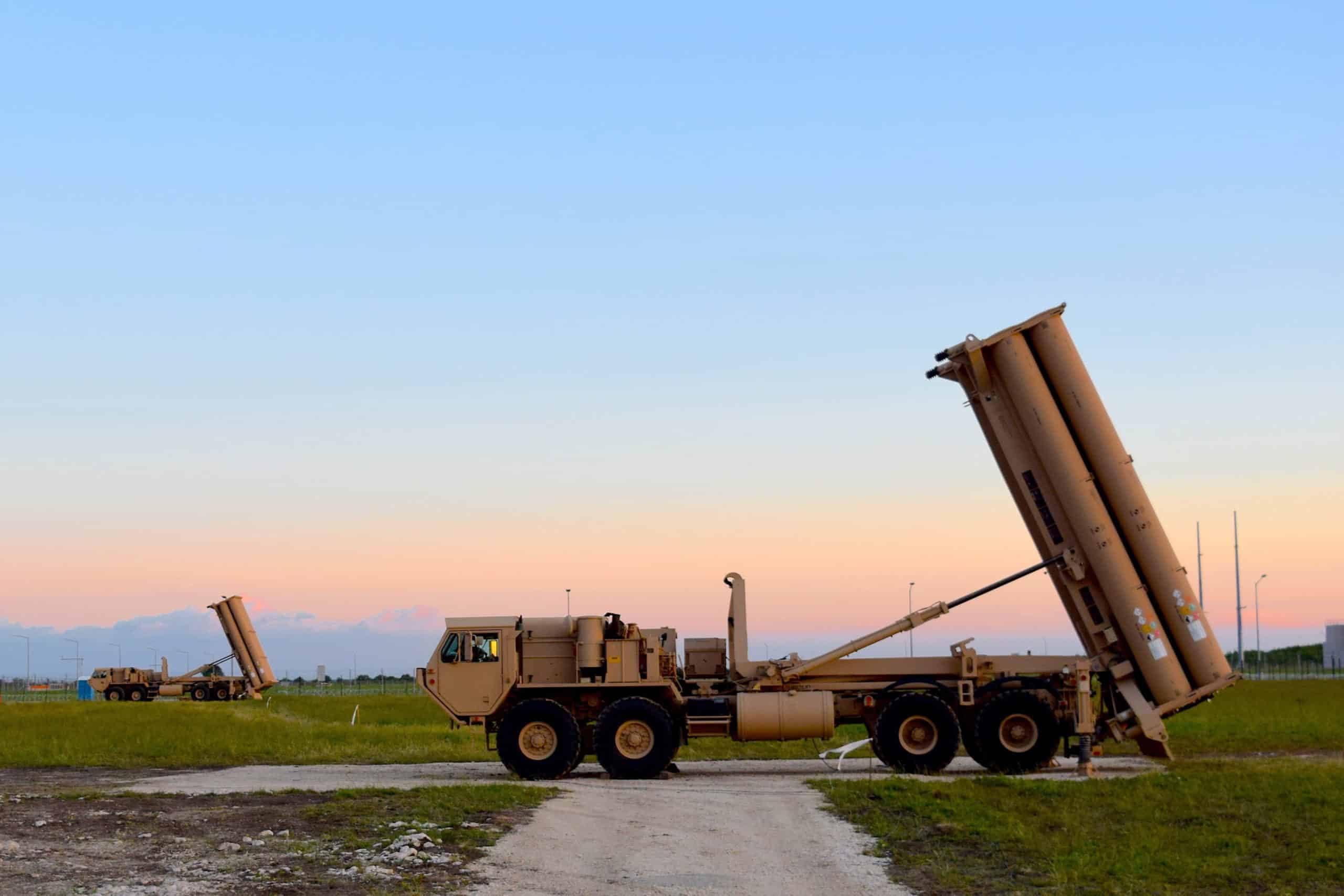
- U.S. Systems: Includes advanced radar and interceptor technologies such as the Patriots and THAAD (Terminal High Altitude Area Defense).
3. Missile Defense Techniques
- Functionality: Missile defense systems detect and intercept incoming threats using sensors (satellites and ground radar) and automated command centers.
- Interceptor Technology:
- Lock and Track System: Active tracking of threats leading to targeted interception.
- Types of Interceptors:
- Proximity fuses explode nearby, using shrapnel.
- Hit-to-kill interceptors collide with targets.
4. Efficacy of Defense Systems
- Iron Dome: Achieved 80-97% success against slower rockets.
- U.S. Patriot System: Recent performance varied with:
- 100% success against specific hypersonic missiles in 2023.
- Approximately 10% effectiveness noted against a wider range of attacks due to saturation strategies by adversaries.
5. Economic Implications
- Costs of Interceptors:
- Patriot PAC-3 Missile Segment Enhancement (MSE) interceptors cost approximately $4 million per missile.
6. Challenges and Limitations
- Volume of Attacks: Iran’s strategy involves rapid saturation attacks using many low-cost missiles, stressing the coalition's defenses.
- U.S. Ground-Based Midcourse Defense (GMD): Acknowledged for poor test record with a 55% success rate in highly scripted tests.
7. Ongoing Developments
- New Integration of Defense Technologies: The UAE's activation of Cheongung II and U.S. deployment of Indirect Fire Protection Capability with AIM-9X Sidewinder missiles.
- Replenishment Issues: Current manufacturing capacity is struggling to meet the demands of ongoing military operations, with significant delays in replenishing munitions.
8. Iran's Defense Enhancements
- Bavar-373 System: Upgraded interceptor capable of engaging targets over 300 km away.
- Arman and Sevom-e-Khordad Systems: New missile systems aimed at enhancing Iran's defensive capabilities.
9. Observations on Effectiveness
- Reports of Ground Attacks: As U.S. and Israeli forces continue strikes, indications are that Iran’s interceptors are being overwhelmed by volume despite their advancements.
10. Conclusion
- The dynamics of missile defense in the Persian Gulf region highlight the ongoing arms race and the importance of technological advancements in military interventions. Ongoing conflicts reveal challenges faced by both sides in terms of operational capacities, economic implications, and the evolving landscape of military technology in deterrent strategies.
International Agreements and Policies
- No new treaties or agreements were specified in the article regarding this conflict, but ongoing geopolitical tensions illustrate the implications for international peace and security frameworks.
Key Terms & Concepts
| Integrated Air and Missile Defense | Military strategy tested in conflict |
| U.S.-led coalition | Allied military forces involved |
| Twelve-Day War | Significant conflict test |
| Iran | Primary adversary in military conflict |
| UAE | Participant in regional defense |
| Cheongung II | Missile system for interception |
| Terminal High Altitude Area Defense (THAAD) | U.S. missile defense system |
| Arrow 3 | Israeli missile defense system |
| Patriot missile system | Defense against incoming threats |
| SM-6 missiles | Naval ballistic missile interceptor |
| GMD (Ground-based Midcourse Defense) | U.S. long-range missile defense |
| AIM-9X Sidewinder | Interceptor used in defense |