iAspirants
New Discoveries in Biodiversity Research
Published on:
Share this post
Article Summary
Biodiversity Discoveries and Conservation Updates
- New Species Unveiling (2025):
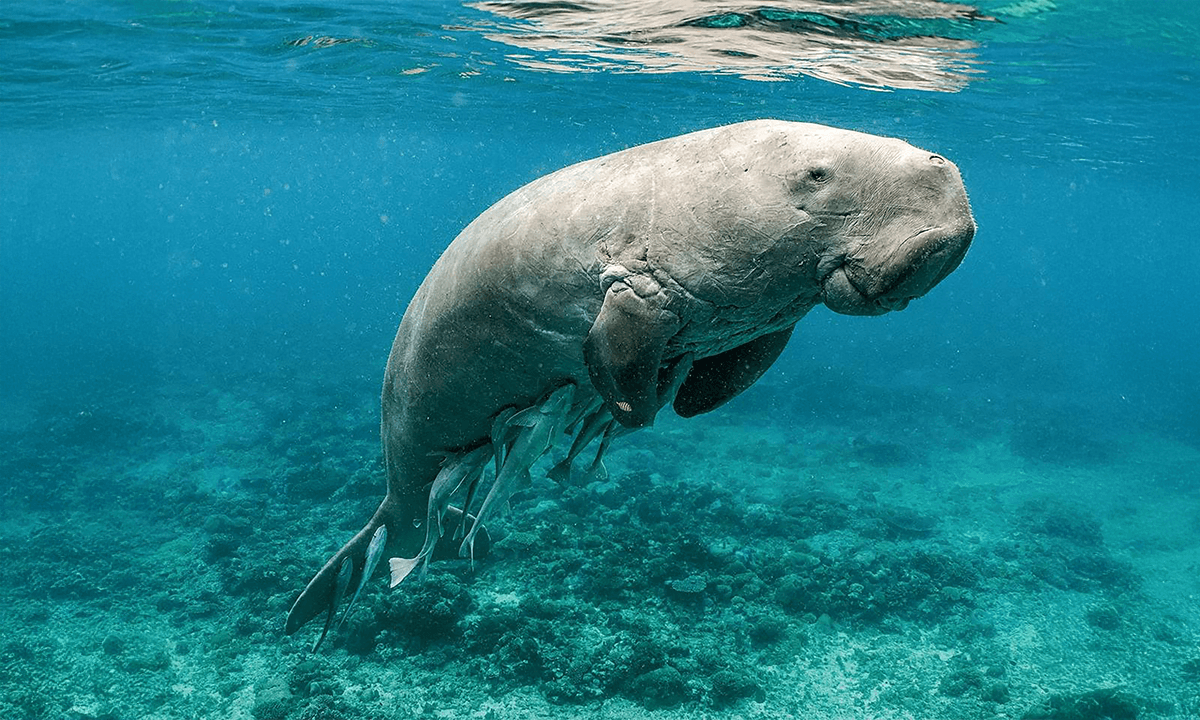
Salwasiren Qatarensis:
- A prehistoric sea cow discovered in Al Maszhabiya, Qatar, dating back 21 million years.
- Functioned as an "ecosystem engineer," helping in carbon sequestration by grazing on seafloor vegetation, thus cycling nutrients and preventing stagnation similar to dugongs.
Marmosa Chachapoya:
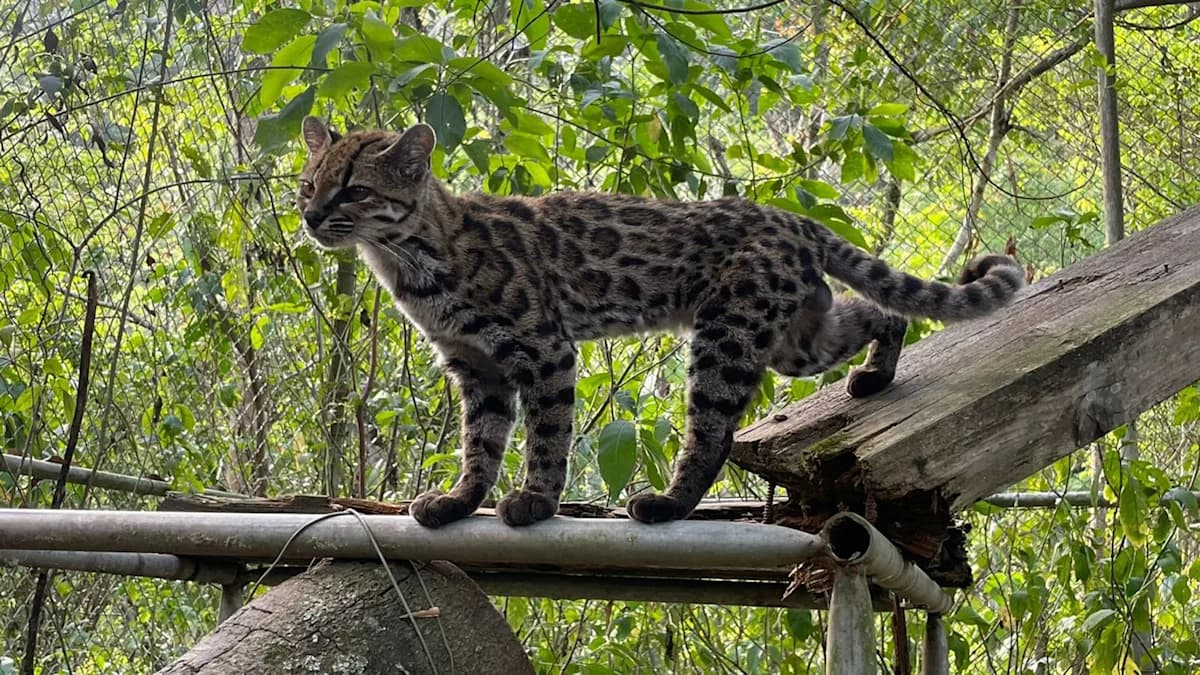
- Newly discovered tiny mouse opossum in Río Abiseo National Park, Andes.
- Named in honor of the Chachapoya indigenous people.
- Notable for its elongated snout and unique cranial structure confirmed through DNA sequencing.
- Faces immediate climate threats, highlighting urgent documentation needs for species in fragile ecosystems.
Siskiyu Armilla:
- New genus of spider identified near Northern California using genetic analysis.
- Suggests existence of many previously unrecognized species in the region, known for 40% of U.S. spider diversity.
Bumpy Snailfish:
- Discovered 11,000 feet below the Pacific Ocean.
- Features a unique appearance and plays a crucial role in carbon sink habitats.
- Recognized for its ability to help engage public interest in deep-sea environments.
Live-Birthing Toads (Nectophrynoides genus):
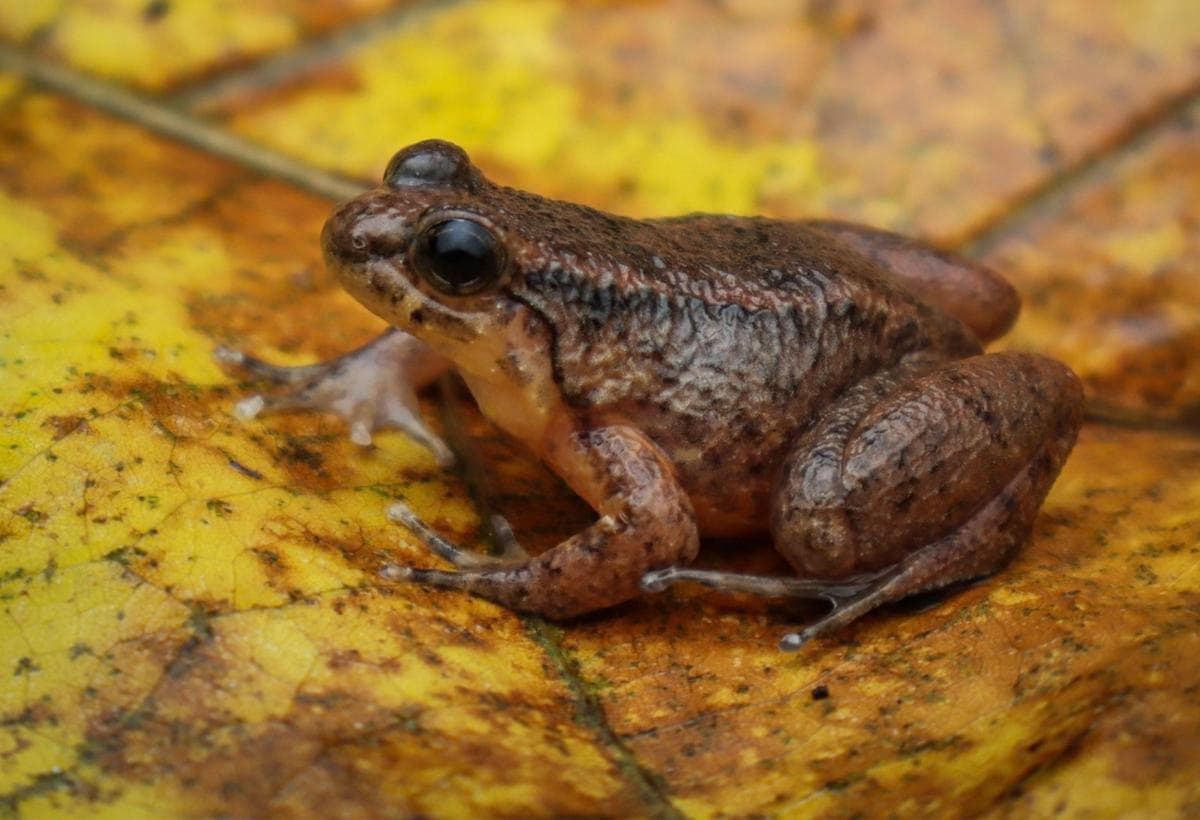
- Found in Eastern Arc Mountains, three species identified as giving birth to fully formed young.
- Discovery involved advanced molecular techniques on long-preserved specimens.
- One species may be already extinct, illustrating ongoing challenges in amphibian conservation.
Conservation Challenges
- Species such as Marmosa Chachapoya and Nectophrynoides are threatened by climate change and habitat loss, underscoring the urgency for biodiversity preservation.
Research Techniques
- Utilization of next-generation sequencing and genetic analysis reveals the importance of modern technology in species identification and conservation efforts.
Environmental Significance
- Many of the discoveries, particularly the bumpy snailfish, emphasize the critical role of marine and terrestrial ecosystems in global carbon cycling, reminding us of the interconnectedness of biodiversity and climate health.
These discoveries exemplify the broader trends in biodiversity research, stressing the significance of conservation as climate change continues to impact ecosystems adversely. The findings underscore the need for ongoing exploration and protection of vulnerable habitats around the globe.
Key Terms & Concepts
| Salwasiren Qatarensis | Prehistoric sea cow discovery |
| Al Maszhabiya, Qatar | Fossil site location |
| Marmosa Chachapoya | New marsupial species |
| Río Abiseo National Park | Discovery location in Andes |
| Siskiyu Armilla | New genus of spider |
| California | Region with diverse spider species |
| Bumpy Snailfish | Deep-sea species |
| Central California Coast | Discovery location of snailfish |
| Live-Birthing Toads of Tanzania | New toad species discovery |
| Nectophrynoides genus | Genus with unique birthing |
| Eastern Arc Mountains | Location of toad discovery |
| Next-generation sequencing | Method used for species identification |