iAspirants
Current AffairsPrelims PYQsUPSC CSE SyllabusUPSC CSE StrategyBlogsPricing
Login
iAspirants

Your AI-powered companion for UPSC preparation.

Quick Links

  • Home
  • About Us
  • Current Affairs
  • Prelims PYQs
  • UPSC CSE Syllabus
  • UPSC CSE Strategy
  • Blogs

Company

  • Pricing
  • FAQs
  • Contact Us
  • Login

Legal

  • Privacy Policy
  • Terms & Conditions
  • Return Policy

© 2025 iAspirants, Inc. All rights reserved.

  1. Blogs
  2. Biodiversity

New Plant Checklist in Agasthyamalai

Published on: 22-Sep-2026

Share this post

New Plant Checklist in Agasthyamalai

Article Summary

Summary of Key Facts and Findings on Agasthyamalai Biosphere Reserve (ABR)

Biodiversity Data:

  • Species Composition:
    • Total documented species: 3,261
    • Sub-species: 26
    • Varieties: 28
    • Genera: 1,139
    • Families: 190
  • Endemism:
    • Total endemic taxa: 1,018 (31.2% of species)
    • Steno-endemic taxa (specialized habitats): 245

Floral Wealth:

  • Dominant Families:
    • Fabaceae: 349 taxa
    • Rubiaceae: 194 taxa
    • Poaceae: 193 taxa
    • Orchidaceae: 168 taxa
  • Biogeographic Affinity:
    • Shared taxa with Sri Lanka: 347
    • Taxa displaying affinity with tropical American flora: 102

Importance of the ABR:

  • Recognized as a significant center of angiosperm diversity and endemism in the Indian subcontinent.
  • The area has high levels of species richness and is ecologically fragile, requiring targeted conservation strategies.

Ecological Context:

  • Geographic Location: Spread across Keralam and Tamil Nadu, part of the Western Ghats.
  • Conservation Threats: Facing challenges from habitat fragmentation, climate change, biological invasions, and ecological degradation.

Research Context:

  • The work by Jawaharlal Nehru Tropical Botanic Garden and Research Institute (JNTBGRI) addresses inconsistencies in previous documentation related to taxonomy and distributions.
  • Recommendations for conservation initiatives include:
    • Ecological restoration
    • Ex situ conservation
    • Long-term surveillance
    • Community-based initiatives

Future Research Directions:

  • Suggested blending classical taxonomy with modern genetic studies such as:
    • Molecular phylogenetics
    • Phylogenomics
    • Population genetics
    • Ecological niche modelling
  • Aim to enhance understanding of evolutionary history, diversification, and climate vulnerability of endemic lineages.

Significance:

  • The checklist serves as an essential resource for reaffirming the global significance of the Western Ghats' biodiversity and establishes a baseline for conservation strategies in response to anthropogenic challenges.

This documentation plays a critical role in guiding future research and conservation efforts in biodiversity hotspots like the ABR, contributing to global efforts in environmental preservation.

Key Terms & Concepts

Agasthyamalai Biosphere ReserveBiodiversity hotspot in India
Jawaharlal Nehru Tropical Botanic Garden and Research InstituteCompiled flowering plant checklist
3,261 speciesTotal documented plant species
1018 taxa (31.2%)Endemic to India
245 steno-endemic taxaConfined to specialized habitats
347 taxaShared with Sri Lanka
Fabaceae, Rubiaceae, Poaceae, OrchidaceaeMost species-rich families
climate change, ecological degradationThreats to biodiversity
September 21, 2026Publication date of study

Mind Map for UPSC Civil Services Revision

Turn UPSC Civil Services Current Affairs Into Exam-Ready Notes

Reading Biodiversity current affairs is half the work. Revise them with ready-made notes and test what actually stuck.

  • Daily UPSC Civil Services current affairs analysis
  • Revision notes, mind maps & MCQs
  • Prelims mock tests with instant results

Related UPSC Civil Services Current Affairs Articles

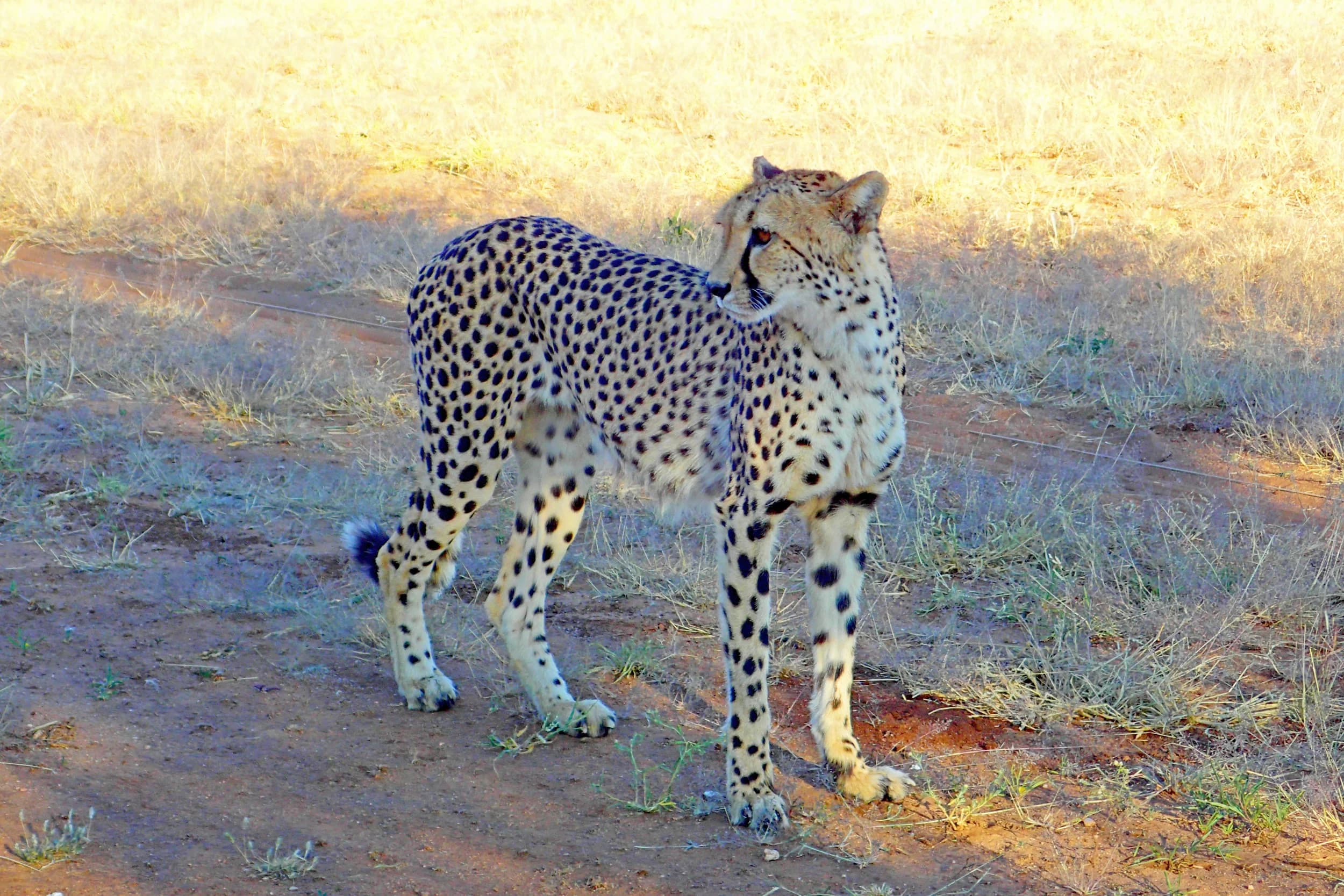
Gaurav the Cheetah's Impact in India
Biodiversity22-Sep-2026

Gaurav the Cheetah's Impact in India

Project Cheetah Overview

  • Initiative Launch: In 2022, Project Cheetah commenced with the introduction of the first batch of eight cheetahs from Namibia to Kuno National Park, Madhya Pradesh.
  • Cheetah Introduction: Key individuals included Gaurav (originally named Elton) and Shaurya, both males who became known for their significant roles in the project.
  • First Recorded Hunt: On March 22, 2023, after their release, Gaurav and Shaurya successfully conducted a kill, marking the first documented cheetah hunt in India in over 70 years.
  • Significance and Impact

    • Gaurav’s survival and reproduction marked a pivotal achievement in reestablishing the cheetah population in India.
    • In April 2025, Gaurav fathered five cubs with Nirva, a South African cheetah, which was significant as it represented the merging of Namibian and South African lineages.

    Health and Demise

    • Gaurav exhibited a decline in health starting September 12, 2026, showing symptoms like marked weakness and severe dehydration.
    • Despite veterinary intervention and supportive treatment, Gaurav passed away on September 22, 2026. A post-mortem will determine the cause of death and investigate any underlying chronic conditions.

    Current Statics of Cheetahs in India

    • As of September 2026, Kuno National Park houses 51 cheetahs, with 36 being Indian-born, and 16 ranging freely in the wild.
    • The total population in India stands at 55, including four cheetahs at Gandhi Sagar Wildlife Sanctuary.

    Legal and Conservation Context

    • Article 48A: Directive Principles of State Policy mandates the State to protect and improve the environment and to safeguard forests and wildlife.
    • Project Cheetah exemplifies efforts under this constitutional directive, aiming for species conservation and ecosystem balance.

    Wildlife Conservation Efforts

    • Project Cheetah not only focuses on species introduction but also involves monitoring health, breeding, and managing human-wildlife conflict, highlighting the multidisciplinary efforts needed in wildlife conservation.

    Future of Project Cheetah

    • Gaurav’s death poses new challenges for Project Cheetah as it enters its fifth year, indicating the need for ongoing health assessments and environmental adaptations for the surviving cheetahs.

    Conclusion

    • Project Cheetah represents a significant endeavor for biodiversity in India, demonstrating the integration of science, policy, and conservation efforts aimed at revitalizing species that once roamed the Indian subcontinent.
    International Conference on Climate Change
    Environment and Ecology20-Sep-2026

    International Conference on Climate Change

    Exam-Focused Notes on International Conference on "Future of Environment and Climate Change"

    Key Highlights:

    1. Event Overview:

      • Date: September 20, 2026
      • Location: New Delhi
      • Organizer: National Green Tribunal (NGT)
    2. Presidential Address:

      • President Droupadi Murmu emphasized the need for community-based and traditional knowledge-driven adaptation methods to combat climate change.
    3. Impact of Climate Change:

      • Climate change leads to significant imbalances affecting human existence.
      • Associated issues include biodiversity loss, water crises, and soil erosion.
      • Serious implications on food security, health, and livelihoods.
    4. Policy Framework:

      • A structured framework is essential for effective policy and action against climate change.
      • Involvement of not just governments and legal experts but also communities affected by climate change is crucial.
      • Special sensitivity towards the needs of vulnerable groups, including rural and tribal societies, small farmers, and women.
    5. Role of Traditional Knowledge:

      • Traditional knowledge systems and local practices are critical for enhancing climate resilience.
      • Emphasis on community-based adaptation strategies.
    6. Sustainable Forestry:

      • Sustainable afforestation plays a vital role in addressing climate challenges.
      • The goal of sustainable forestry is not just tree planting but also restoring healthy, self-sustaining ecosystems.
    7. Climate Action Commitment:

      • Developing countries should chart a path that accommodates development while enhancing resilience to climate change.
      • Climate action commitments must align with national development needs and economic aspirations, ensuring technical feasibility.
    8. Youth and Public Engagement:

      • India has made commendable efforts in raising environmental awareness through initiatives like Mission LiFE.
      • Emphasis on community participation to improve ecosystems.
    9. Collaboration and Networking:

      • The conference brought together experts, judges, lawyers, and key stakeholders to discuss environmental issues.
      • Aimed at fostering inclusive policies and effective actions against climate change.
    10. Future Directions:

      • Discussions and action plans from the conference are expected to pave the way for building a society capable of effectively addressing climate change.

    Relevant Constitutional and Policy References:

    • Constitutional Provisions:
      • Article 48A: Protection and improvement of environment and safeguarding of forests and wildlife.
      • Article 51A(g): Fundamental duty to protect and improve the natural environment.

    Government Schemes and Initiatives:

    • Mission LiFE: Focuses on public engagement and awareness regarding environmental sustainability.

    Conclusion:

    The conference highlighted the critical need for integrated approaches involving traditional knowledge, community participation, and sustainable practices to combat climate change effectively. It underscored the importance of policies that resonate with the realities of vulnerable populations and promote a collaborative effort towards environmental resilience.

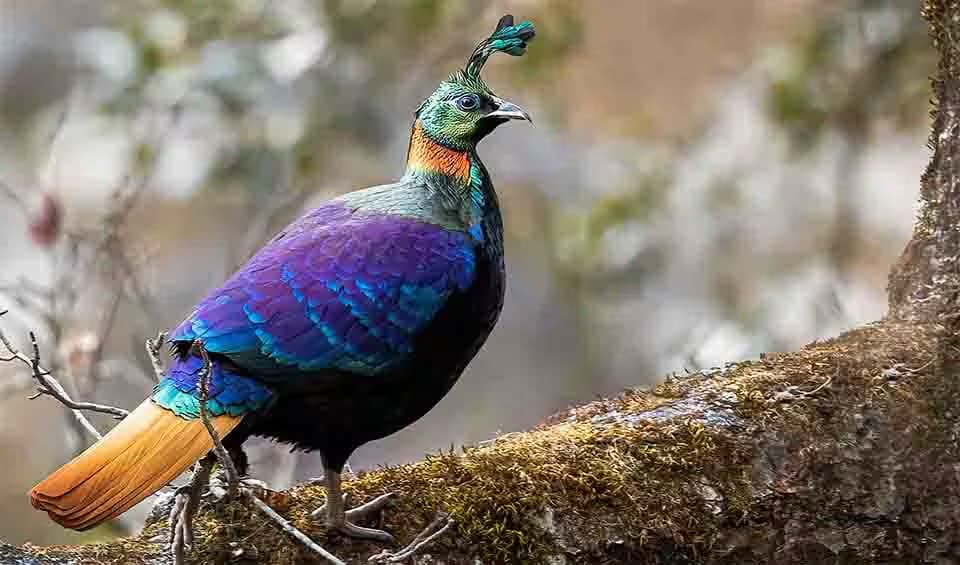
    Himalayan Monal's Habitat Under Threat
    Biodiversity19-Sep-2026

    Himalayan Monal's Habitat Under Threat

    Summary Notes on Himalayan Monal and Environmental Concerns

    Overview of Himalayan Monal

    • Species: Himalayan monal (state bird of Uttarakhand).
    • Habitat: Found in the Himalayan mountains across Jammu and Kashmir, Himachal Pradesh, Uttarakhand, and Sikkim.
    • Conservation Status: Classified as Least Concern on the IUCN Red List globally, but local population statistics are lacking.

    Research Studies from Hemvathi Bahuguna Garhwal University (HBGU)

    • Conducted over five years by researchers Rajeev Lochan, Dinesh Kumar Sharma, and Anand Kumar.
    • Key Findings:
      • Climate Change Study: Analyzes how climate change impacts habitat; temperature and rainfall fluctuations could make existing habitats unsuitable by 2100.
      • Noise Pollution Study: Investigates the effect of tourism-induced noise on monal vocalizations; indicates shifting call frequencies due to increased human activity.

    Study Details

    • Noise Pollution Findings:

      • Comparison between two locations: Madmaheshwar Valley (less human activity) and Chopta Valley (high tourism).
      • Higher-frequency calls recorded in Chopta Valley, suggesting monals adapt call characteristics to counteract background noise.
      • Concerns arise regarding mating success due to noise masking crucial communication calls.
    • Climate Change Implications:

      • Monals migrate seasonally to different elevations; disturbance in this pattern may occur due to climate change or human encroachment.
      • Potential fragmentation of habitats highlights the importance of maintaining connectivity for species' movement.

    Recommendations from Researchers

    • Noise Management: Call for better regulations around noise in heavily visited areas to protect avian communication.
    • Habitat Protection: Emphasize the necessity for preserving both habitats and corridors that connect different ecological zones.

    Broader Implications

    • Local populations might face issues despite a stable global population; ecological changes could have far-reaching impacts across species.
    • Importance of collecting reliable local data for conservation efforts.

    Environmental Significance

    • Studies stress awareness of tourism impacts on wildlife; advocate for responsible management of natural resources and habitats.
    • Addressing challenges posed by climate change is critical for preserving biodiversity in the Himalayan ecosystem.

    Keywords

    • Constitutional References: N/A (not specifically mentioned).
    • Laws/Policies: N/A (related policies could include wildlife protection regulations but were not explicitly outlined in the article).
    • Government Schemes: N/A.
    • Economics: Tourism impacts economic policy, indirectly connected to preservation efforts.
    • Science & Technology: Use of passive acoustic monitoring devices for wildlife studies.

    These findings and recommendations serve to inform future environmental management strategies concerning the Himalayan monal and similar species in fragile ecosystems.

    India's Deep Ocean Exploration Challenges
    Environment and Ecology19-Sep-2026

    India's Deep Ocean Exploration Challenges

    Summary of Deep Ocean Exploration and Mining in India

    Current Status of Deep-Sea Exploration

    • International Seabed Authority (ISA) Contracts: India holds three contracts covering approximately 95,000 square kilometers in the Central Indian Ocean Basin, Central Indian Ridge, and Carlsberg Ridge.
    • Estimated Resources: Identified 366 million tonnes of polymetallic nodules containing nickel, copper, cobalt, and manganese.

    Technological Advancements

    • Deep Ocean Mission: Focused on developing technologies such as:
      • Underwater robotics.
      • MATSYA-6000 human submersible.
      • Deep-sea mining machines tested at depths of 5,270 meters by the National Institute of Ocean Technology.
    • Biodiversity Surveys: Explored 19 seamounts, identifying around 1,300 deep-sea organisms, including 23 new species.

    Environmental Considerations

    • Ecological Impact: The deep ocean is a complex ecosystem that is poorly understood. Large-scale seabed disturbance may have unpredictable consequences.
  • Need for Responsible Exploration: Exploration can advance scientific knowledge without committing to commercial mining. Decisions on mining should incorporate high ecological thresholds.
  • Sustainable Development Principles

    • Socio-Ecological Dilemma: Should India prioritize the extraction of deep-sea minerals for energy, electric mobility, and advanced manufacturing, or should it preserve these ecosystems?
    • Mission LiFE: Aligns with principles of reducing resource consumption, recycling, and shifting towards a circular economy.
    • Enhanced Scientific Responsibility: The principle of "Do we need to mine at all?" should govern future mining decisions instead of minimization of damage in extraction efforts.

    Global Environmental Initiatives

    • Emphasis on understanding the value of the ocean as an ecological asset beyond mineral wealth.
    • Alignment with global environmental paradigms:
      • Nature-based Solutions: Strategies that leverage natural processes.
      • Sustainable Development Goals (SDGs): Targeting holistic development while conserving ecosystems.

    Conclusion

    India has the opportunity to lead in deep-sea ecological governance by recognizing the importance of ecological preservation alongside technological advancement. Sustainable development should focus not only on resource extraction but also on the health and integrity of marine ecosystems.