iAspirants
New PM Emission Standards in NCR
Published on:
Share this post
Article Summary
Summary of Air Quality Management Measures in Delhi-NCR
Key Facts and Statistics
- New PM Emission Standard: The Commission for Air Quality Management (CAQM) has proposed a new particulate matter (PM) emission limit of 50 mg/Nm³, replacing the previous limit of 80 mg/Nm³ established in June 2022.
- Implementation Dates:
- Large and medium industries must comply starting August 1.
- All remaining industries are required to comply by October 1.
Constitutional and Legal References
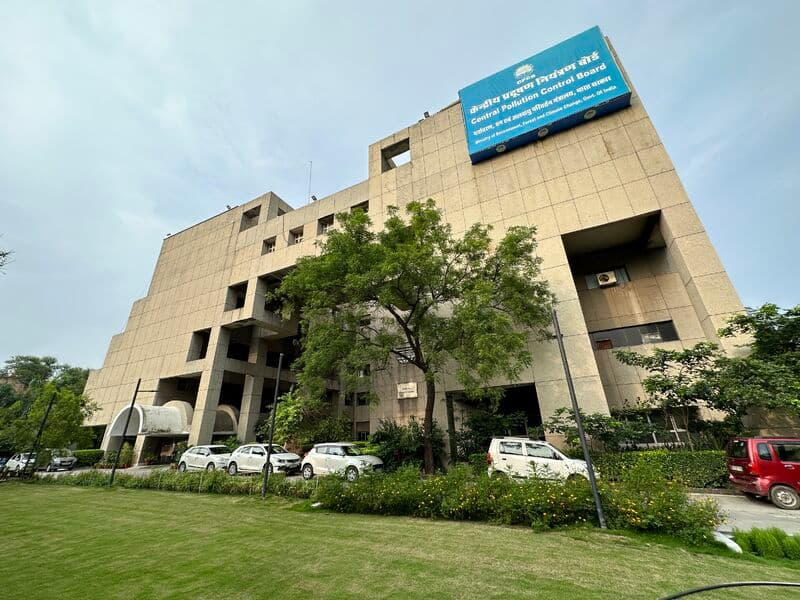
- The measures are aligned with the regulatory framework established by the Central Pollution Control Board (CPCB).
- The standards are legally binding, requiring 17 categories of highly polluting industries—including Red Category air-polluting industries, food processing, and textile units—to adhere to the new limits.
Government Agencies and Committees
- CAQM: Responsible for air quality management across the National Capital Region (NCR) and adjoining areas.
- CPCB: Provided recommendations which informed the new PM limit based on a study from IIT Kanpur.
- A technical committee from the CPCB studied and concluded the feasibility of the 50 mg/Nm³ limit.
Environmental Impact
- The reduction in PM emissions is expected to significantly improve air quality in the Delhi-NCR region, which currently faces severe air pollution issues.
- Industrial stack emissions are a primary source of PM in the region, contributing to elevated levels of air pollution and affecting public health.
Compliance and Oversight
- The CAQM has mandated state governments (Delhi, Haryana, Uttar Pradesh, and Rajasthan) and respective Pollution Control Boards to strictly enforce the implementation of these standards.
- Provisions have been made not to apply the new limit to units that already follow a stricter PM emission standard.
Broader Context
- The change is part of ongoing efforts to combat air pollution in urban areas, particularly in regions that consistently show high pollution levels, which have significant health implications.
- This regulatory action aligns with India's commitment to improving air quality and public health, reflecting the government's prioritization of environmental management.
Conclusion
The proposed stricter PM emission limit of 50 mg/Nm³ represents a critical step towards improving air quality in the Delhi-NCR region, building upon expert recommendations and facilitating significant environmental benefits for residents in industrial vicinities.
Key Terms & Concepts
| Commission for Air Quality Management | Regulatory body for air quality |
| Particulate Matter (PM) emissions | Pollutant regulated by standards |
| 50 mg/Nm³ | New PM emission limit |
| 80 mg/Nm³ | Previous PM emission limit |
| IIT Kanpur | Conducted study for CPCB |
| Central Pollution Control Board (CPCB) | Advised on emission standards |
| August 1, 2026 | Effective date for large industries |
| October 1, 2026 | Effective date for remaining industries |
| Red Category industries | Majorly polluting industry category |
| Delhi-NCR | Region affected by pollution |