iAspirants
New Protocols for Honey Bee Farming
Published on:
Share this post
Article Summary
Scientific Intervention: New protocols for honey bee farming in Jammu and Kashmir enable beekeepers to rear colonies in sub-zero temperatures, eliminating the need for migration to lower plains and addressing the 30% mortality rate associated with such migrations.
Honey Production: The region recorded its first mono-floral apple honey, diversifying its honey products.
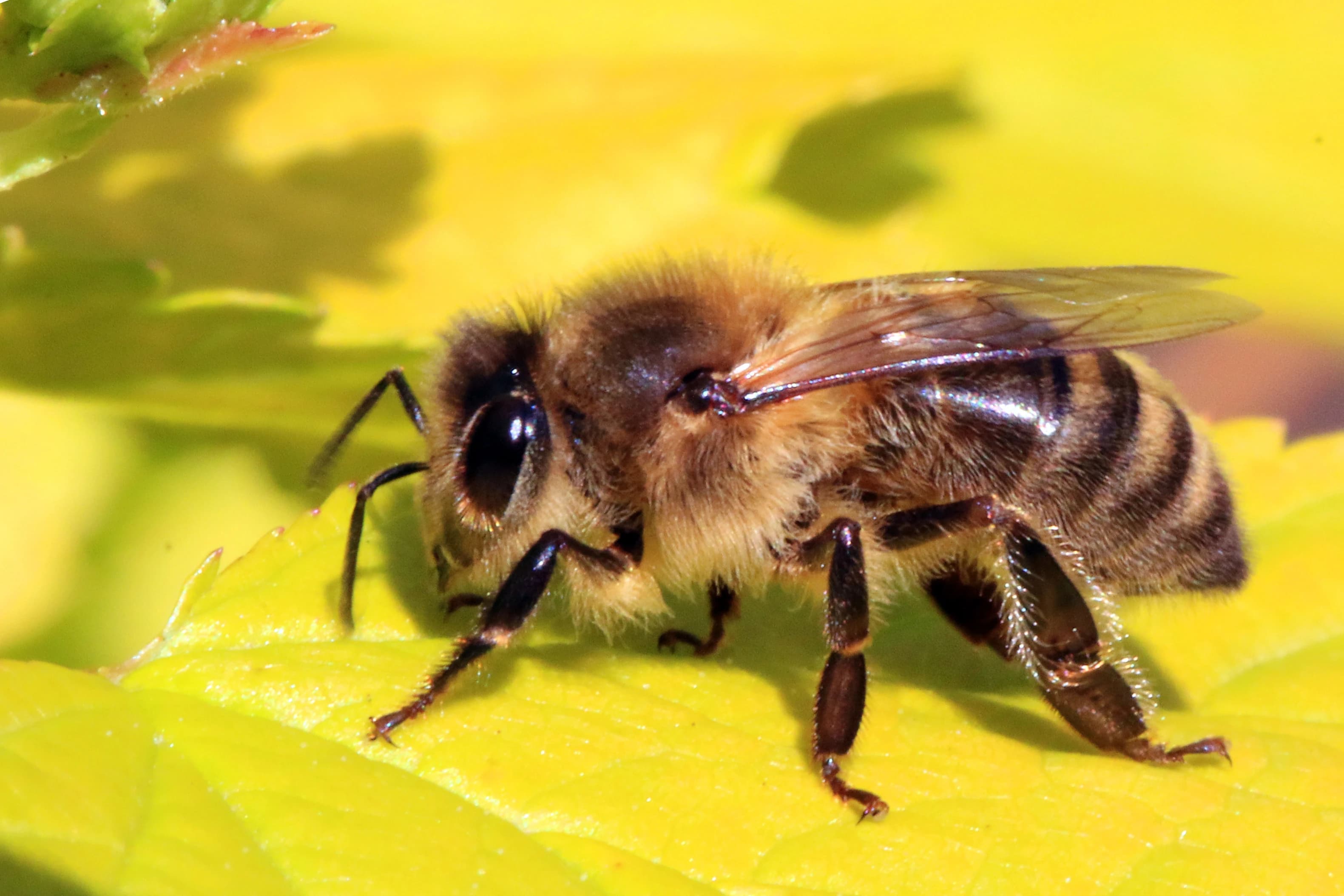
Demonstration Event: On January 29 (year unspecified in original), the CSIR-IIIM, Pulwama, hosted around 200 orchardists at Bonera farm, showcasing the inaugural surviving colony of Apis mellifera, a migratory bee species essential for honey production.
Honey Statistics: Jammu and Kashmir produces approximately 2,000 metric tonnes of honey annually, valued at ₹12.5 lakh.
Relevance of Bees: Bees play a critical role in biodiversity and agricultural productivity, impacting food security and ecosystem health.
Future Implications: The advancements in bee farming technology could enhance agriculture productivity and sustainability in the region, contributing to local economies and agri-tech innovations.
Key Terms & Concepts
| Apis mellifera | Key honey bee species |
| CSIR-IIIM | Research institute demonstrating techniques |
| 2,000 metric tonnes | Annual honey production amount |
| ₹12.5 lakh | Economic value of honey production |
| 30% | Reported mortality rate in migration |
| Bonera farm | Location of demonstration event |
| mono-floral apple honey | New honey variant produced |
| January 29 | Date of demonstration event |
| sub-zero temperatures | Climate condition for beekeeping |