iAspirants
Current AffairsPrelims PYQsUPSC CSE SyllabusUPSC CSE StrategyBlogsPricing
Login
iAspirants

Your AI-powered companion for UPSC preparation.

Quick Links

  • Home
  • About Us
  • Current Affairs
  • Prelims PYQs
  • UPSC CSE Syllabus
  • UPSC CSE Strategy
  • Blogs

Company

  • Pricing
  • FAQs
  • Contact Us
  • Login

Legal

  • Privacy Policy
  • Terms & Conditions
  • Return Policy

© 2025 iAspirants, Inc. All rights reserved.

  1. Blogs
  2. Biodiversity

New Species Discoveries in Recent Years

Published on: 24-Sep-2026

Source: Indian Express

Share this post

New Species Discoveries in Recent Years

Article Summary

  • New Species Discoveries: Recent findings include:

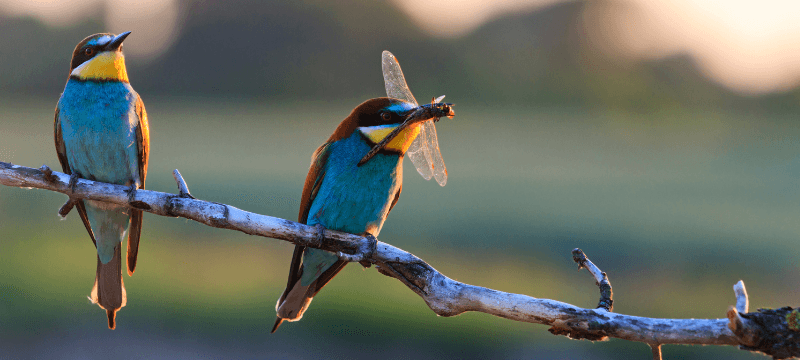
    • Leopardus tilcayo: A new species of wild cat discovered in Bolivia, marking the first feline species identification in 100 years.
    • A new species of penguin discovered in subantarctic islands, also the first in a century.
    • A new snake species named after the guitarist Slash in New Guinea.
  • Biodiversity Trends: According to a 2025 University of Arizona study, 15% of all known species have been identified in the last 20 years, indicating an increased pace in species discovery.

  • Conservation Focus: Despite new discoveries, many go unnoticed outside scientific circles, highlighting the necessity to recognize and celebrate biodiversity more broadly.

  • Anthropocentricism: The narrative suggests a shift away from human-centered views of the world, signaling an increasing need to value biosphere diversity.

  • Importance of Biodiversity: The discoveries underscore the richness of the biosphere and the ongoing need for scientific and conservation efforts to understand and protect it.

Key Terms & Concepts

Leopardus tilcayoNew wild cat species discovered
University of Arizona study 2025Study on species identification
15%Percentage of species discovered recently
subantarctic islandsLocation of new penguin species
New GuineaLocation of newly discovered snake species

Mind Map for UPSC Civil Services Revision

Turn UPSC Civil Services Current Affairs Into Exam-Ready Notes

Reading Biodiversity current affairs is half the work. Revise them with ready-made notes and test what actually stuck.

  • Daily UPSC Civil Services current affairs analysis
  • Revision notes, mind maps & MCQs
  • Prelims mock tests with instant results

Related UPSC Civil Services Current Affairs Articles

Bengaluru's Hebbal Tunnel Biodiversity Impact
Environment and Ecology24-Sep-2026

Bengaluru's Hebbal Tunnel Biodiversity Impact

Summary of Bengaluru’s Hebbal Short Tunnel Project Impacts

Environmental Concerns

  • Biodiversity Impact:

    • Over 70 tree species among the 1,128 trees within a 2.2-km stretch designated for felling for the Hebbal short tunnel project.
  • Notable species include Indian Kino, Big-leaf Mahogany, Beleric Myrobalan, and Yellow Tabebuia.
  • Microclimate Changes:

    • Experts predict felling will lead to a temperature increase of at least 2 degrees Celsius and create heat islands affecting a 2-km radius around the area.
    • Potential destruction of habitats, oxygen banks, and direct impact on underground water levels due to loss of tree cover.
  • Citizen Concerns:

    • More than 20,000 signatures have been gathered on a petition opposing the project, advocating for a pause and independent environmental assessments.
    • Calls for greater transparency in the public objection process, with demands for detailed lists of affected trees to facilitate meaningful objections.
  • Government and Legal Framework

    • Greater Bengaluru Authority (GBA):

      • Issued a public notice on September 20, inviting public objections to the proposed tree felling but faced criticism for not uploading specific tree details.
    • Financial Aspects:

      • The project budget is approximately ₹1,140 crore.

    Urban Planning Implications

    • Urban landscapes, such as that of Bengaluru, have previously retained significant green spaces, making the number of species within this area notably high.
    • The Hebbal region is characterized by prior environmental degradation, raising additional concerns regarding urban heat and quality of life deterioration.

    Public Response and Activism

    • Environmental activists and citizen groups have criticized the GBA for negligence in handling the objection process.
    • Advocates stress the importance of preserving the "green-blue landscape" of Bengaluru for ecological balance and urban sustainability.

    Key Concerns for Examination

    • Environmental Legislation: Awareness of laws governing tree felling, urban planning, and preservation of green spaces.
    • Public Participation: Understanding mechanisms for citizen engagement in urban development projects.
    • Climate Impact Assessments: The significance of independent assessments for evaluating environmental impacts of major infrastructure projects.
    • Sustainable Urban Development: Challenges and strategies in balancing development needs with environmental protection and urban ecology.

    This summary consolidates crucial facts, figures, and stakeholder perspectives related to the Hebbal short tunnel project, emphasizing its environmental, financial, and regulatory dimensions.

    Gaurav the Cheetah's Impact in India
    Biodiversity22-Sep-2026

    Gaurav the Cheetah's Impact in India

    Project Cheetah Overview

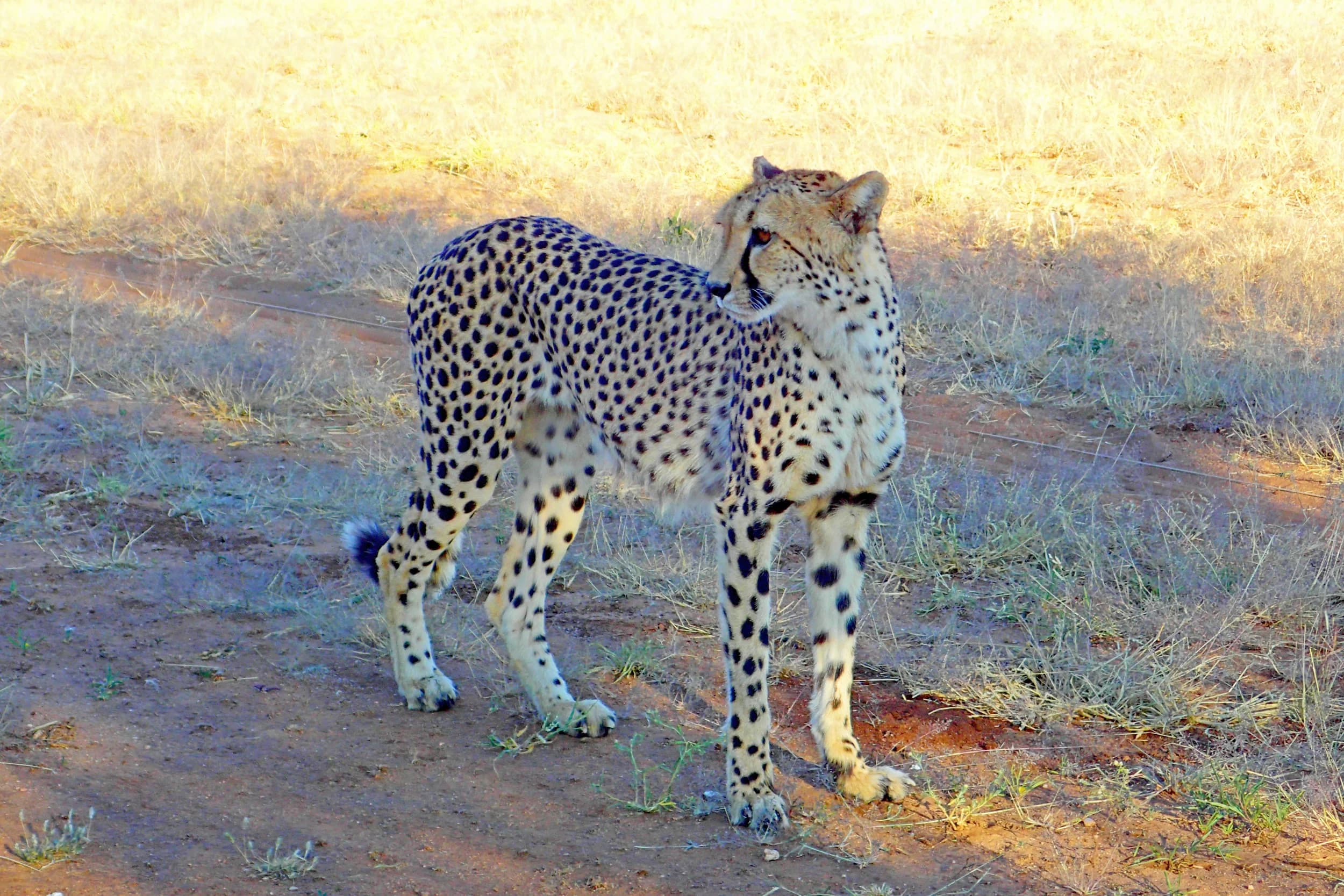
    • Initiative Launch: In 2022, Project Cheetah commenced with the introduction of the first batch of eight cheetahs from Namibia to Kuno National Park, Madhya Pradesh.
    • Cheetah Introduction: Key individuals included Gaurav (originally named Elton) and Shaurya, both males who became known for their significant roles in the project.
    • First Recorded Hunt: On March 22, 2023, after their release, Gaurav and Shaurya successfully conducted a kill, marking the first documented cheetah hunt in India in over 70 years.

    Significance and Impact

    • Gaurav’s survival and reproduction marked a pivotal achievement in reestablishing the cheetah population in India.
    • In April 2025, Gaurav fathered five cubs with Nirva, a South African cheetah, which was significant as it represented the merging of Namibian and South African lineages.

    Health and Demise

    • Gaurav exhibited a decline in health starting September 12, 2026, showing symptoms like marked weakness and severe dehydration.
    • Despite veterinary intervention and supportive treatment, Gaurav passed away on September 22, 2026. A post-mortem will determine the cause of death and investigate any underlying chronic conditions.

    Current Statics of Cheetahs in India

    • As of September 2026, Kuno National Park houses 51 cheetahs, with 36 being Indian-born, and 16 ranging freely in the wild.
    • The total population in India stands at 55, including four cheetahs at Gandhi Sagar Wildlife Sanctuary.

    Legal and Conservation Context

    • Article 48A: Directive Principles of State Policy mandates the State to protect and improve the environment and to safeguard forests and wildlife.
    • Project Cheetah exemplifies efforts under this constitutional directive, aiming for species conservation and ecosystem balance.

    Wildlife Conservation Efforts

    • Project Cheetah not only focuses on species introduction but also involves monitoring health, breeding, and managing human-wildlife conflict, highlighting the multidisciplinary efforts needed in wildlife conservation.

    Future of Project Cheetah

    • Gaurav’s death poses new challenges for Project Cheetah as it enters its fifth year, indicating the need for ongoing health assessments and environmental adaptations for the surviving cheetahs.

    Conclusion

    • Project Cheetah represents a significant endeavor for biodiversity in India, demonstrating the integration of science, policy, and conservation efforts aimed at revitalizing species that once roamed the Indian subcontinent.
    New Plant Checklist in Agasthyamalai
    Biodiversity22-Sep-2026

    New Plant Checklist in Agasthyamalai

    Summary of Key Facts and Findings on Agasthyamalai Biosphere Reserve (ABR)

    Biodiversity Data:

    • Species Composition:
      • Total documented species: 3,261
      • Sub-species: 26
      • Varieties: 28
      • Genera: 1,139
      • Families: 190
    • Endemism:
      • Total endemic taxa: 1,018 (31.2% of species)
      • Steno-endemic taxa (specialized habitats): 245

    Floral Wealth:

    • Dominant Families:
      • Fabaceae: 349 taxa
      • Rubiaceae: 194 taxa
      • Poaceae: 193 taxa
      • Orchidaceae: 168 taxa
    • Biogeographic Affinity:
      • Shared taxa with Sri Lanka: 347
    Prime Minister Celebrates World Rhino Day
    Environment and Ecology22-Sep-2026

    Prime Minister Celebrates World Rhino Day

    Summary of Key Facts and Initiatives on World Rhino Day

    Conservation Efforts

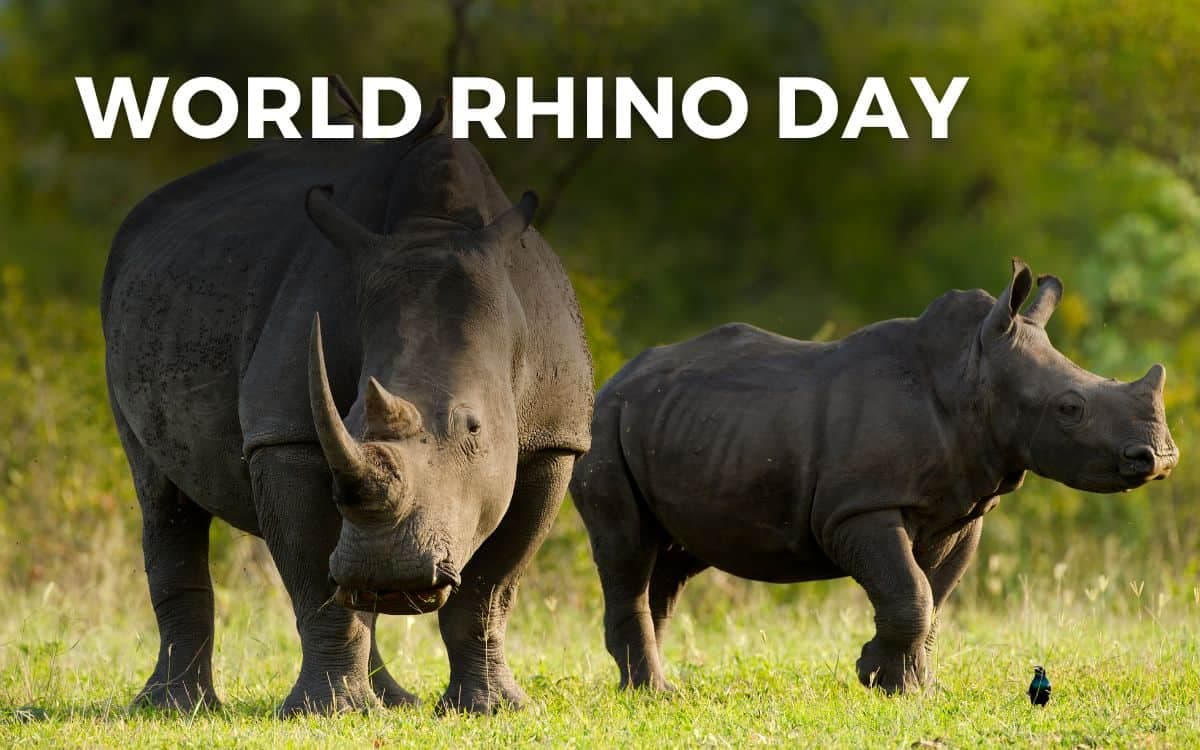
    • World Rhino Day: Celebrated to raise awareness about the protection of rhinos.
    • Prime Minister's Statement: Emphasized the crucial role of various stakeholders in rhino conservation.

    Statistics

    • Rhino Population in Assam: Approximately 80% of the world's greater one-horned rhino population is found in Assam.
    • Kaziranga National Park: Recognized for its significant efforts in combating rhino poaching.

    Regional Developments

    • Bihar and West Bengal: Reports indicate that rhinos are either returning or being well-preserved in certain areas.
    • Dudhwa National Park (Uttar Pradesh): Successful history of rhino rehabilitation noted.

    Project Rhino

    • Launch of Project Rhino: Initiated to enhance species conservation efforts across India.
    International Conference on Climate Change
    Environment and Ecology20-Sep-2026

    International Conference on Climate Change

    Exam-Focused Notes on International Conference on "Future of Environment and Climate Change"

    Key Highlights:

    1. Event Overview:

      • Date: September 20, 2026
      • Location: New Delhi
      • Organizer: National Green Tribunal (NGT)
    2. Presidential Address:

      • President Droupadi Murmu emphasized the need for community-based and traditional knowledge-driven adaptation methods to combat climate change.
    3. Impact of Climate Change:

      • Climate change leads to significant imbalances affecting human existence.
      • Associated issues include biodiversity loss, water crises, and soil erosion.
      • Serious implications on food security, health, and livelihoods.
    4. Policy Framework:

      • A structured framework is essential for effective policy and action against climate change.
      • Involvement of not just governments and legal experts but also communities affected by climate change is crucial.
      • Special sensitivity towards the needs of vulnerable groups, including rural and tribal societies, small farmers, and women.
    5. Role of Traditional Knowledge:

      • Traditional knowledge systems and local practices are critical for enhancing climate resilience.
      • Emphasis on community-based adaptation strategies.
    6. Sustainable Forestry:

      • Sustainable afforestation plays a vital role in addressing climate challenges.
      • The goal of sustainable forestry is not just tree planting but also restoring healthy, self-sustaining ecosystems.
    7. Climate Action Commitment:

      • Developing countries should chart a path that accommodates development while enhancing resilience to climate change.
      • Climate action commitments must align with national development needs and economic aspirations, ensuring technical feasibility.
    8. Youth and Public Engagement:

      • India has made commendable efforts in raising environmental awareness through initiatives like Mission LiFE.
      • Emphasis on community participation to improve ecosystems.
    9. Collaboration and Networking:

      • The conference brought together experts, judges, lawyers, and key stakeholders to discuss environmental issues.
      • Aimed at fostering inclusive policies and effective actions against climate change.
    10. Future Directions:

      • Discussions and action plans from the conference are expected to pave the way for building a society capable of effectively addressing climate change.

    Relevant Constitutional and Policy References:

    • Constitutional Provisions:
      • Article 48A: Protection and improvement of environment and safeguarding of forests and wildlife.
      • Article 51A(g): Fundamental duty to protect and improve the natural environment.

    Government Schemes and Initiatives:

    • Mission LiFE: Focuses on public engagement and awareness regarding environmental sustainability.

    Conclusion:

    The conference highlighted the critical need for integrated approaches involving traditional knowledge, community participation, and sustainable practices to combat climate change effectively. It underscored the importance of policies that resonate with the realities of vulnerable populations and promote a collaborative effort towards environmental resilience.

  • Taxa displaying affinity with tropical American flora: 102
  • Importance of the ABR:

    • Recognized as a significant center of angiosperm diversity and endemism in the Indian subcontinent.
    • The area has high levels of species richness and is ecologically fragile, requiring targeted conservation strategies.

    Ecological Context:

    • Geographic Location: Spread across Keralam and Tamil Nadu, part of the Western Ghats.
    • Conservation Threats: Facing challenges from habitat fragmentation, climate change, biological invasions, and ecological degradation.

    Research Context:

    • The work by Jawaharlal Nehru Tropical Botanic Garden and Research Institute (JNTBGRI) addresses inconsistencies in previous documentation related to taxonomy and distributions.
    • Recommendations for conservation initiatives include:
      • Ecological restoration
      • Ex situ conservation
      • Long-term surveillance
      • Community-based initiatives

    Future Research Directions:

    • Suggested blending classical taxonomy with modern genetic studies such as:
      • Molecular phylogenetics
      • Phylogenomics
      • Population genetics
      • Ecological niche modelling
    • Aim to enhance understanding of evolutionary history, diversification, and climate vulnerability of endemic lineages.

    Significance:

    • The checklist serves as an essential resource for reaffirming the global significance of the Western Ghats' biodiversity and establishes a baseline for conservation strategies in response to anthropogenic challenges.

    This documentation plays a critical role in guiding future research and conservation efforts in biodiversity hotspots like the ABR, contributing to global efforts in environmental preservation.

  • Objectives:
    • Financial and technical support for states involved in rhino conservation.
    • Focus on habitat management, genetic improvement, and understanding population dynamics.
  • Government Commitment

    • The initiative reflects the ongoing commitment of the Indian government to wildlife management and species preservation in bordering states.

    Conclusion

    The Prime Minister's remarks and the launch of Project Rhino signify a robust governmental approach towards the conservation of the one-horned rhinoceros, showcasing collaborative efforts and a targeted strategy to ensure the survival of this species in India.