iAspirants
NHRC Reports on Leprosy Discrimination Laws
Published on:
Share this post

Article Summary
Constitutional Context:
- The National Human Rights Commission (NHRC) highlighted that approximately 97 laws at Central and State levels contain discriminatory provisions against individuals affected by leprosy, which violates principles of equality and dignity as enshrined in the Indian Constitution, particularly Article 14 (Right to Equality) and Article 21 (Right to Life and Personal Liberty).
Judicial Proceedings:
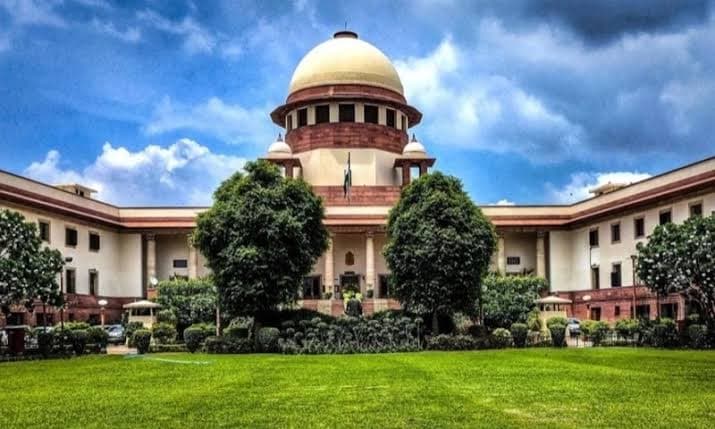
- The Supreme Court bench, including Justices Surya Kant and Joymalya Bagchi, is examining petitions that challenge these discriminatory statutes, many of which have remained unchanged despite modern medical advancements.
Key Statistics:
- India is responsible for around 57% of the world's reported leprosy cases, indicating a substantial public health issue and social stigma affecting this demographic.
Discriminatory Laws Identified:
- Nurses and Midwives Act, 1953: Disqualifies individuals affected by leprosy from being nursing council members.
- Indian Railways Act, 1989: Permits segregation of passengers with infective leprosy and ticket forfeiture under Section 56.
- Allahabad High Court Rules, 1952: Disqualifies leprosy-affected individuals from being enrolled as legal practitioners without medical certification of cure.
- Andhra Pradesh Charitable and Hindu Religious Institutions and Endowments Act, 1987: Bars leprosy-affected individuals from serving as trustees.
- Delhi Land Reforms Act, 1954: Prevents leprosy-affected individuals from being members of Gaon Panchayat.
- Delhi Municipal Corporation Act, 1957: Authorizes exclusion of individuals with active leprosy from municipal markets.
NHRC Recommendations:
- Comprehensive measures for early identification, treatment, and rehabilitation of affected individuals.
- Urging the Union government to reform derogatory terminology within existing laws.
- State governments are recommended to enhance healthcare, sanitation, and civic amenities in leprosy colonies.
- Promote the use of iris scans for Aadhaar enrolment to assist individuals with physical challenges in fingerprint authentication.
Government Action Suggested:
- The Supreme Court directed all States and Union Territories to report on actions taken based on the NHRC's recommendations.
- States are encouraged to hold special Assembly sessions or enact ordinances to amend discriminatory laws.
Health and Legal Framework Modernization:
- Legal provisions need to reflect advancements in treatment and understanding of leprosy, which is now considered non-infectious and curable.
Next Steps in Judicial Process:
- Further hearings are scheduled for December 17, where the implications of the NHRC report and steps taken by state authorities will be evaluated.
Public Engagement:
- The involvement of organizations like the Federation of Leprosy Organisation (FOLO) and the Vidhi Centre for Legal Policy highlights advocacy for the legal rights and human dignity of leprosy-affected individuals.
This summary underscores critical areas of constitutional rights, discriminatory provisions in laws, ongoing judicial processes, and the NHRC's significant recommendations aimed at improving the social standing and rights of persons affected by leprosy in India.
Key Terms & Concepts
| National Human Rights Commission | Reports on leprosy discrimination |
| Supreme Court of India | Hearing petitions on discrimination |
| India | Accounts for 57% leprosy cases |
| Nurses and Midwives Act, 1953 | Disqualifies leprosy-affected individuals |
| Indian Railways Act, 1989 | Contains travel restrictions |
| Delhi Land Reforms Act, 1954 | Prohibits leprosy-affected from Panchayat |
| Andhra Pradesh Excise Act, 1968 | Bars leprosy-affected from employment |
| Unique Identification Authority of India | Promotes iris scans for Aadhaar |
| Federation of Leprosy Organisation | Petitioning against discriminatory laws |
| Vidhi Centre for Legal Policy | Legal think tank involved |
| December 17, 2025 | Scheduled court hearing date |
| November 12 |