iAspirants
Nihang Singhs: Tradition and Identity
Published on:
Source: The Hindu
Share this post
Article Summary
Overview of Nihang Singhs
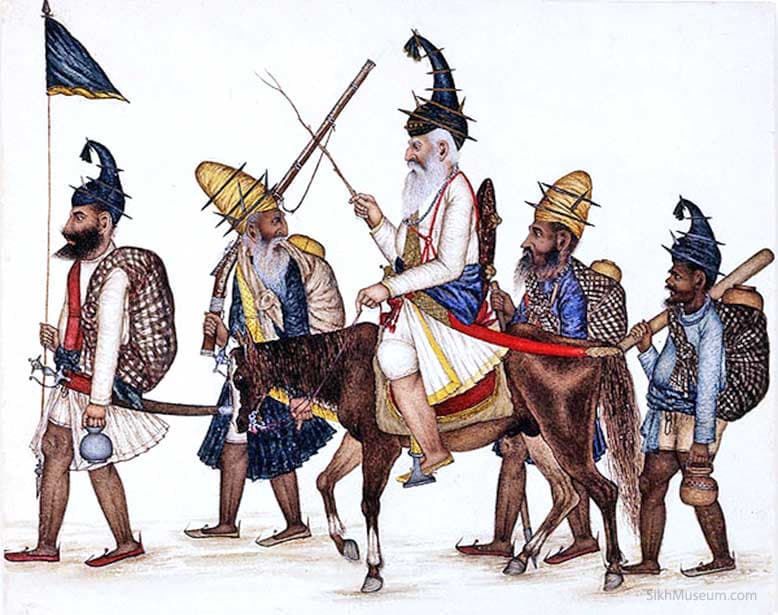
Cultural Identity: Nihang Singhs are a Sikh community known for their distinctive attire, including electric-blue robes and conical turbans, symbolizing their martial and religious heritage.
Historical Background: The Nihangs originated with the establishment of the Khalsa Panth by Guru Gobind Singh in 1699, representing the armed warrior tradition of Sikhism, historically tasked with defending Sikh communities against persecutions.
Martial Tradition: They traditionally engaged in military defense against Mughal and Afghan forces, later integrated into the military structure of Sikh misls and Maharaja Ranjit Singh's forces.
Recent Events
Attack Incident: On August 13, 2026, Sukhbir Singh Badal, president of Shiromani Akali Dal, was attacked with a kirpan by Jaspal Singh, a 62-year-old Nihang, at a Gurdwara in Nanded, Maharashtra. Badal required surgery for his injuries.
Public Presence: Nihangs gained attention during the farmers' protests in 2020-21 and more recently during student protests in Delhi in July 2026.
Structure and Factions
Decentralized Organization: The Nihang community lacks a centralized authority, historically divided into factions known as dals (Baba Budha Dal and Taruna Dal), with over 30 factions reported in Punjab.
Mobility and Tradition: The chalda vaheer (travelling bands) maintain a connection to significant Sikh sites through an annual circuit that includes Muktsar, Anandpur Sahib, and others.
Cultural Practices
Hola Mohalla: The martial identity of the Nihangs is prominently displayed during the Hola Mohalla festival at Anandpur Sahib, featuring demonstrations of Gatka (Sikh martial art) and mock battles.
Core Principles: The concepts of Chardi Kala (resilient state of mind) and the balance of bani (wisdom) and bana (attire) emphasize the need for spiritual practice alongside martial training.
Modern Context
Daily Life: Nihangs may lead disciplined religious lives or maintain families while adhering to community obligations. Their lifestyle combines religious practices with agricultural and educational responsibilities.
Economic Support: Their institutions are sustained through offerings from devotees and management of religious resources, including gurdwaras and educational camps.
Contemporary Relevance: The recent attack in Nanded has renewed scrutiny of the Nihang community, highlighting the complexities of their identity as both a living religious order and a historical warrior class.
Conclusion
The Nihang Singhs represent a unique blend of spirituality and martial tradition within Sikhism. Their historical roots, decentralized structure, and contemporary challenges reflect the community's resilience and ongoing evolution in modern society. The dual identity of being custodians of a rich heritage while engaging in current socio-political contexts underscores the need for nuanced understanding of their role today.
Key Terms & Concepts
| Nihang Singhs | Custodians of Sikh martial tradition |
| Khalsa Panth | Founded by Guru Gobind Singh |
| Mata Sahib Devan Ji Gurdwara | Location of recent incident |
| Hola Mohalla | Festival showcasing martial skills |
| Gatka | Sikh martial art practice |
| Shastar Vidya | Study of Sikh weaponry |
| Takht Sachkhand Sri Hazur Sahib | Significant Sikh religious site |
| Chardi Kala | State of mind in Sikhism |
| Baba Budha Dal | One of the main factions |
| Taruna Dal | Another main faction |
| Jantar Mantar | Location of recent student protest |
| Maharaja Ranjit Singh | Historical Sikh leader |
| Guru Granth Sahib |