iAspirants
Norway's Diplomatic Insights on India
Published on:
Share this post
Article Summary
Key Highlights from Norway's Diplomatic Engagements with India
Bilateral Relations:
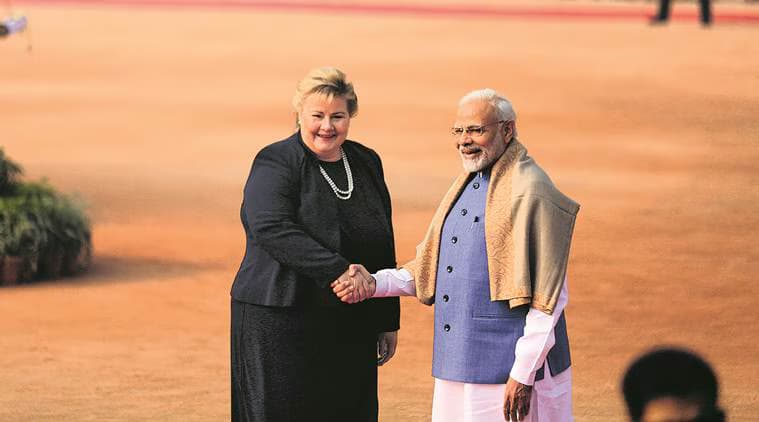
- Growth Trend: Norway's Deputy Foreign Minister Andreas Motzfeldt Kravik notes an ascent in India’s global role over the past three years. Key focus areas include trade, geopolitics, and technology collaboration.
- EFTA Implementation: The European Free Trade Association (EFTA) agreement took effect recently, promoting increased exports and trade predictability between Norway and India, but both countries seek further enhancement of these ties.
International Geopolitical Concerns:
Middle East Conflict:
- Norway expresses concern over the escalation of violence involving the US-Israel coalition and Iran, emphasizing the need to avoid destabilization and catastrophic humanitarian impacts.
- Criticism of the US and Israel for actions deemed inconsistent with the UN Charter reflects Norway's commitment to international law.
Russia-Ukraine War:
- Norway has condemned Russia's military actions, interpreting them as violations of international law and the UN Charter. Advocacy for a negotiated settlement is emphasized, supporting Ukraine's sovereignty.
Economic Implications:
- Energy Markets: Ongoing conflict in the Middle East has implications for global energy prices, impacting India’s modernization efforts amid price surges and economic challenges.
Diplomatic Strategy:
Norway’s Historical Role: The country has been involved in past peace processes, notably the Oslo Accords, and aims to facilitate future diplomatic resolutions in ongoing conflicts.
US-India-Norway Relations:
- Maintaining regular communication with the US underscores a robust trilateral relationship focusing on peace efforts in the Middle East and the Russian-Ukrainian situation.
Environmental Collaboration:
- Green Technology and Blue Economy:
- Norway aims to leverage its expertise in these areas to assist India's development goals, promoting a win-win relationship beneficial for both nations.
Notable Observations:
- China's Role: Norway supports collaboration with China on global issues like climate change but acknowledges a need to maintain autonomy and minimize dependencies in critical sectors.
Nobel Peace Prize Comments:
- The autonomy of the Norwegian Peace Committee in awarding the Nobel Peace Prize was highlighted, separating governmental influence from the committee’s decisions.
Conclusion:
Norway's engagement with India reflects a strategic partnership aimed at enhancing bilateral trade, addressing international conflicts, and collaborating on environmental sustainability, all while advocating respect for international laws and norms. The evolving relationship signifies mutual recognition of India's growing significance on the global stage.
Key Terms & Concepts
| Raisina Dialogue | International conference for dialogue |
| EFTA | Free Trade Agreement with India |
| Middle East | Region affected by conflicts |
| Oslo peace process | Norway's historical peace role |
| UN Charter | International legal framework |
| Ukraine | Country experiencing conflict |
| Climate crisis | Global environmental challenge |
| Green technology | Sector for collaboration |
| $ | Economic indicator |
| China | Key player in global issues |