iAspirants
Nuclear Energy Development in India
Published on:
Share this post
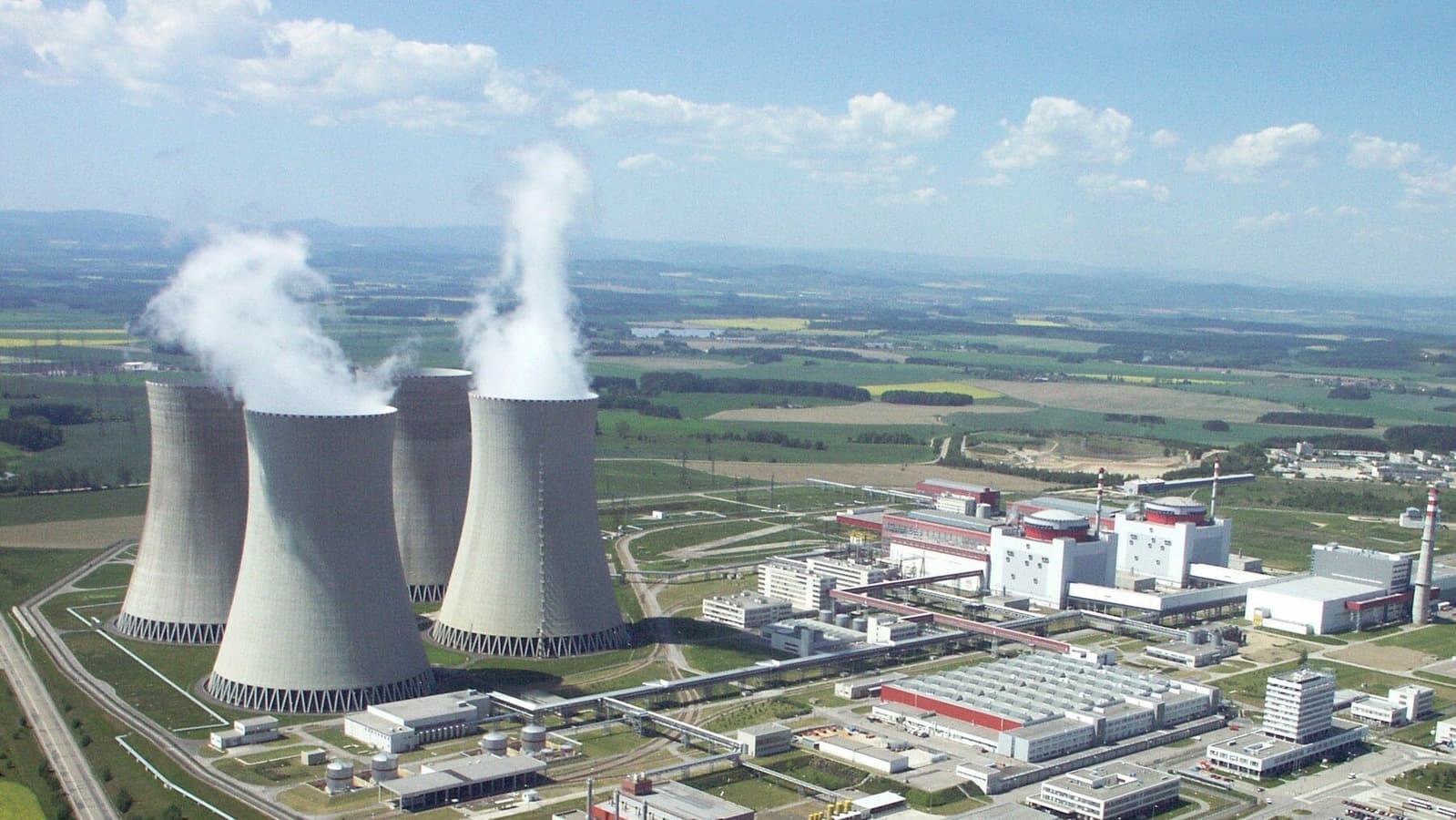
Article Summary
Energy Consumption and Human Development: Key Insights and Legislative Developments
1. Human Development Index (HDI) and Energy Consumption:
- HDI Measurement: Combines three indicators: per capita income, education, and health.
- Correlation: Higher energy consumption correlates with improved HDI.
- Target HDI: To achieve an HDI of 0.9, India requires a projected energy generation of about 24,000 Terra-Watt-Hours (TWh) annually; 60% of this as electricity and the rest for hydrogen production.
2. Current Energy Generation Trends in India:
- 2023-24 Generation: Approximately 1,950 TWh with a CAGR of 4.8%.
- Long-term Goal: Achieving 24,000 TWh in four to five decades.
3. Energy Mix and Decarbonization Requirements:
- Current FEC Composition: Electricity accounts for 22% of Final Energy Consumption (FEC).
- Shift Needed: Significant transition from fossil fuels to renewable sources (hydro, nuclear, solar, wind).
- Challenges: Limited hydro and wind potential and the intermittent nature of solar and wind energy necessitate a robust baseload capacity, which nuclear power can provide.
4. Legislative Framework: Sustainable Harnessing and Advancement of Nuclear Energy (SHANTI) Bill, 2025:
- Purpose: Facilitate private sector participation in nuclear energy and streamline regulations.
- Key Provisions:
- Incorporates elements from the Atomic Energy Act, 1962, and Civil Liability for Nuclear Damage Act, 2010.
- Establishes responsibilities for safety, security, and licensing with the facility licensee.
- Recognizes the existing Atomic Energy Regulatory Board under its provisions.
5. Nuclear Energy Development in India:
- Target Capacity: Aim for 100 GW of nuclear installed capacity by mid-century.
- Current Developments:
- Construction of 700 MW Pressurised Heavy Water Reactors (PHWRs) is underway (3 operational, 1 nearing completion, 2 under construction).
- Development of technologies for fuel fabrication and handling spent nuclear fuel by the Bhabha Atomic Research Centre.
6. International Context and Commitments:
- India's Position in G-20: Collaborates with nations having HDIs exceeding 0.9, indicating a global benchmark in development and energy requirements.
7. Future Steps and Strategic Requirements:
- Decarbonizing Energy Mix: Essential to replace fossil fuels with nuclear and renewable energy sources.
- Energy Storage Solutions: Need for cost-effective storage solutions for the variability of renewable energy production.
Conclusion: The SHANTI Bill represents a critical legislative step towards enhancing nuclear energy infrastructure in India, supporting clean energy transition, while correlating human development with energy consumption metrics. The goal of reaching 100 GW of nuclear capacity underscores the commitment to decarbonization and high HDI objectives amidst resource challenges.
Key Terms & Concepts
| Human Development Index (HDI) | Indicator of human development |
| 24,000 TWh | Required energy generation target |
| 1,950 TWh | Current energy generation |
| 4.8% | Recent CAGR for energy generation |
| 100 GW | Nuclear energy capacity target |
| SHANTI Bill, 2025 | Legislation for nuclear energy growth |
| 700 MW | Rating of PHWRs designed |
| Atomic Energy Act, 1962 | Legislative framework for nuclear energy |
| Civil Liability for Nuclear Damage Act, 2010 | Regulatory framework for nuclear safety |
| Bhabha Atomic Research Centre | Facility for nuclear research |