iAspirants
Nupi Lan Day Commemorates Women's War
Published on:
Share this post
Article Summary
Exam-Focused Notes on the Nupi Lan Day Observance and its Historical Context
Date and Significance:
- Nupi Lan Day is observed on December 12, commemorating the second women-led movement against British colonial policies in Manipur, which occurred in 1939. The first movement occurred in 1908.
Historical Background:
- The second Nupi Lan movement began as an agitation by Manipuri women against the economic policies of the Maharaja and exploitation by Marwari businessmen. Over time, it transformed into a demand for constitutional reform in Manipur.
Economic Context:
- Pre-colonial Manipur consumed nearly all rice produced locally. However, post-British annexation in 1891 led to increased rice exports causing scarcity and price surges.
- Expansion of rice cultivation from 1921 to 1939: Increased by 18,838 acres, while the rice export volume peaked with an all-time record of 372,174 maunds in 1938.
Impact of Colonial Policies:
- British policies shifted economic control to Marwari businessmen, compounding local anger. The monopoly over the Cart Tax by Marwaris exploited local cultivators.
Events Leading to the 1939 Uprising:
- Damaging weather (excessive rain and hail storms) in July and November 1939 led to severe rice crop failures, creating a famine-like situation.
- Shortage of local rice led to protests as women could not find rice to sell in local markets.
The Protest:
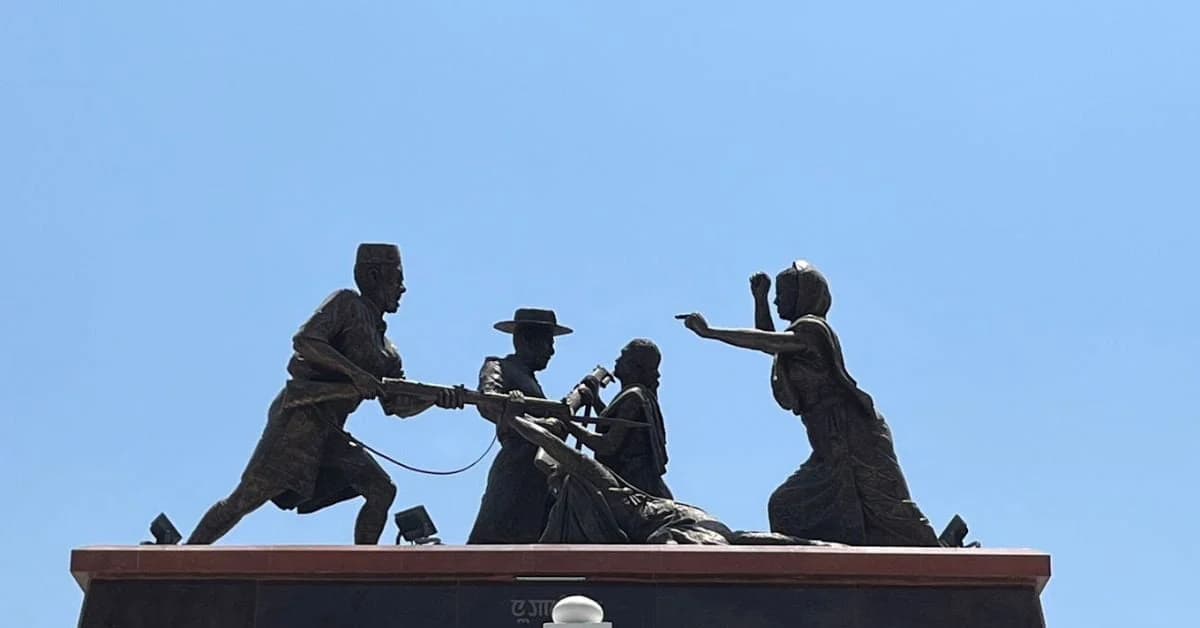
- On December 12, 1939, rallies began around the administrative office, which saw thousands of women demanding an immediate halt to rice exports.
- Key incidents included the capture of T.A. Sharpe, a British official, reflecting the protest's escalation into a militant stance, with chants of "Vande Mataram" highlighting nationalist sentiments.
Government Response:
- Initial attempts to quell protests involved forceful measures. The Assam Rifles were deployed, which instead intensified the women's protests. Following clashes, rice exports were eventually banned on December 14, 1939.
Political Impact:
- Nupi Lan triggered a shift towards militant political consciousness among Manipuris, particularly women, resulting in a long-term boycott of the Khwairamband Bazar against exploitative merchants.
- The movement laid groundwork for future demands for administrative and constitutional reforms in Manipur, leading to aspirations for a new governance structure post-World War II.
Legacy of Nupi Lan:
- Highlighted women's crucial role within Manipur's agrarian economy and established a foundation for future political changes, contributing significantly to the socio-political landscape of Manipur.
- The movement signified women's pivotal involvement in shaping resistance and reform in colonial India.
Current Relevance:
- President Droupadi Murmu's tribute indicates the ongoing acknowledgment of women's contributions to India's historical and political narrative, reinforcing the importance of recognizing historical movements in contemporary governance.
This summary captures essential information regarding the Nupi Lan movement, highlighting its significance in India's colonial history, economic implications, and the role of women in political activism.
Key Terms & Concepts
| Nupi Lan Day | Commemoration of women's movements |
| Imphal | Location of memorial service |
| 1891 British annexation | Beginning of British rule |
| 1938 rice exports | Record export year impacting scarcity |
| December 12 | Date of significant protest |
| Assam Rifles | Military force against protestors |
| Khwairamband Bazar | Market central to protest |
| Marwari businessmen | Exploitors in the rice trade |
| Economic and Political Weekly | Source highlighting historical context |
| Maharaja Churachandra Singh | Ruler during Nupi Lan |
| Second World War | Context for agitations |