iAspirants
Operation Sindoor: A New Defense Strategy
Published on:
Share this post
Article Summary
Summary of Operation Sindoor
Date and Context:
- Operation Commencement: May 7, 2025, at 1:05 a.m.
- Triggering Event: Pahalgam terror attack on April 22, 2025, carried out by cross-border terrorists.
Military Strategy and Doctrines:
- Shift in Policy: This operation signifies a departure from India's historical “reactive restraint” towards a proactive military stance against terrorism, labeled as “zero tolerance” by Prime Minister Narendra Modi.
- Decisive Action: Any act of cross-border terrorism to be viewed as an "act of war."
- Political Directive: Clear political mandates were issued, providing the military a free hand in operations.
Execution and Targets:
- Operational Strategy: Integrated attack involving the Indian Air Force (IAF), Indian Navy, and Indian Army against designated terrorist infrastructure in Pakistan.
- Target Locations: Bahawalpur and Muridke among others, with strikes on nine terrorist targets.
- Success Metrics: High levels of coordination between services, immediate response to threats, and significant destruction reported at enemy bases (11 bases targeted).
Military Engagements:
- IAF Response: Countered Pakistan Air Force's strike attempts on May 9 and 10, with waves of retaliatory airstrikes.
- Damage Assessment: The extent of destruction was unprecedented, raising concerns within Pakistan regarding their military preparedness.
Strategic Implications:
- New Normal: Establishes a new security paradigm in which India openly engages with and responds to acts of terrorism without fear of nuclear repercussions.
- High-readiness Framework: Post-operation, the Indian armed forces are expected to maintain heightened readiness for future contingencies.
Defense Industry Impact:
- Atmanirbharata (Self-reliance): A call for the defense industry to ramp up capabilities to meet the demands highlighted by the operation, focusing on innovation and integration of private sector participation.
- Government Reforms: Current emphasis on energizing public and private sectors across defense, aerospace, cyber, and AI.
Conclusion and Long-term Outlook:
- Permanent Redlines: Establishment of Modi's strategic redlines on cross-border terrorism as a lasting shift in India’s defense posture.
- Strengthened National Support: The operation aims to solidify citizen support behind national security initiatives.
Significance:
- Military Innovation: Performance of indigenous military systems during Operation Sindoor is expected to stimulate India's innovation and startup ecosystem in defense technology.
- Geopolitical Messaging: Sends a clear signal to not only the perpetrators of terrorism but also to regional adversaries about India’s newfound resolve and capability.
This operation is presented as a major evolution in India's defense and security policy, underlining the need for sustained preparedness and innovation in the face of evolving threats.
Key Terms & Concepts
| Operation Sindoor | Military operation against terrorism |
| Pahalgam carnage | Trigger for military response |
| May 7, 2025 | Start date of the operation |
| zero tolerance policy | Policy against cross-border terrorism |
| Indian Armed Forces | Main military entity involved |
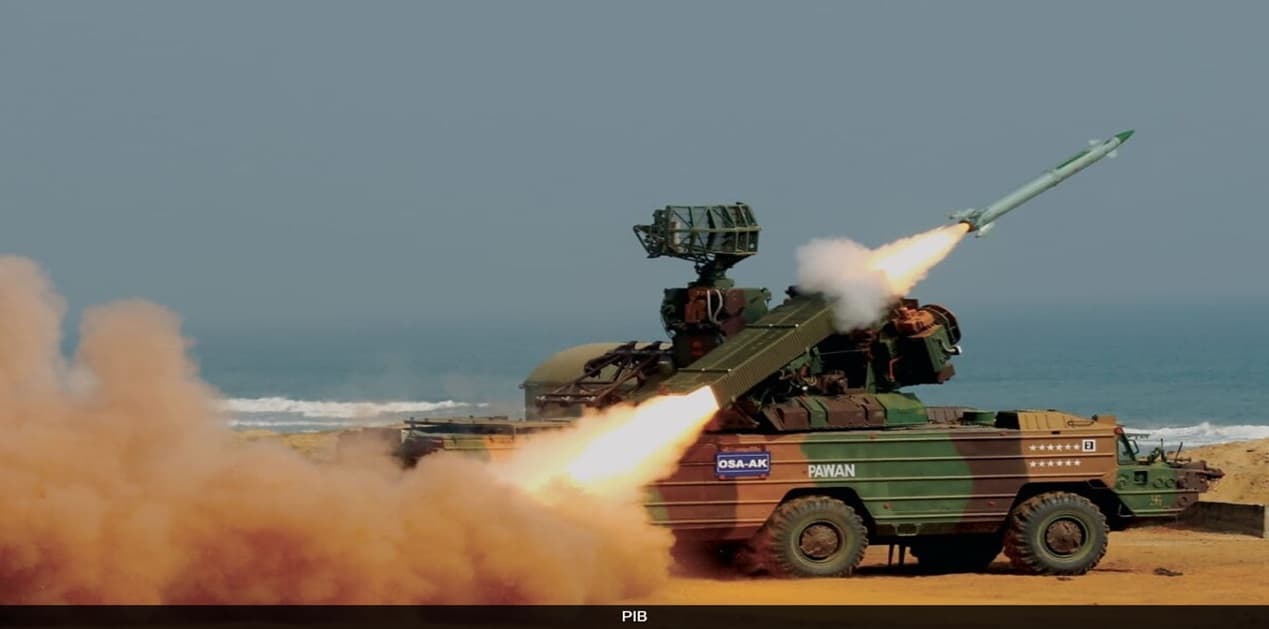
| S-400 missile system | Air defense system employed |
| Pakistan | Adversary in the operation |
| 11 bases across Pakistan | Targets of Indian airstrikes |
| Atmanirbharata | Self-reliance in defense production |
| Defence Research and Development Organisation | Key agency for defense innovation |