iAspirants
Piracy and War Crimes in India
Published on:
Source: The Hindu
Share this post
Article Summary
Summary of Key Points
Legal Framework and Judicial Rulings
- Universal Jurisdiction: Defined as the ability of any state to prosecute certain crimes (piracy, war crimes) regardless of where they were committed.
- Indian Legislation:
- 2022 Maritime Anti-Piracy Act: Allows India to prosecute acts of piracy; two convictions reported since its enactment.
- 1960 Geneva Conventions Act: Requires India to enact laws for war crimes and allows for the apprehension of suspects.
International Treaties and Obligations
- 1982 United Nations Convention on the Law of the Sea: Mandates cooperation among states in repressing piracy on the High Seas.
- 1949 Geneva Conventions: Obliges states to prosecute war crimes and empower their courts to handle these cases. Imposes a mandatory requirement to apprehend suspects present on their territory.
Recent Events
- Case of Somali Nationals:
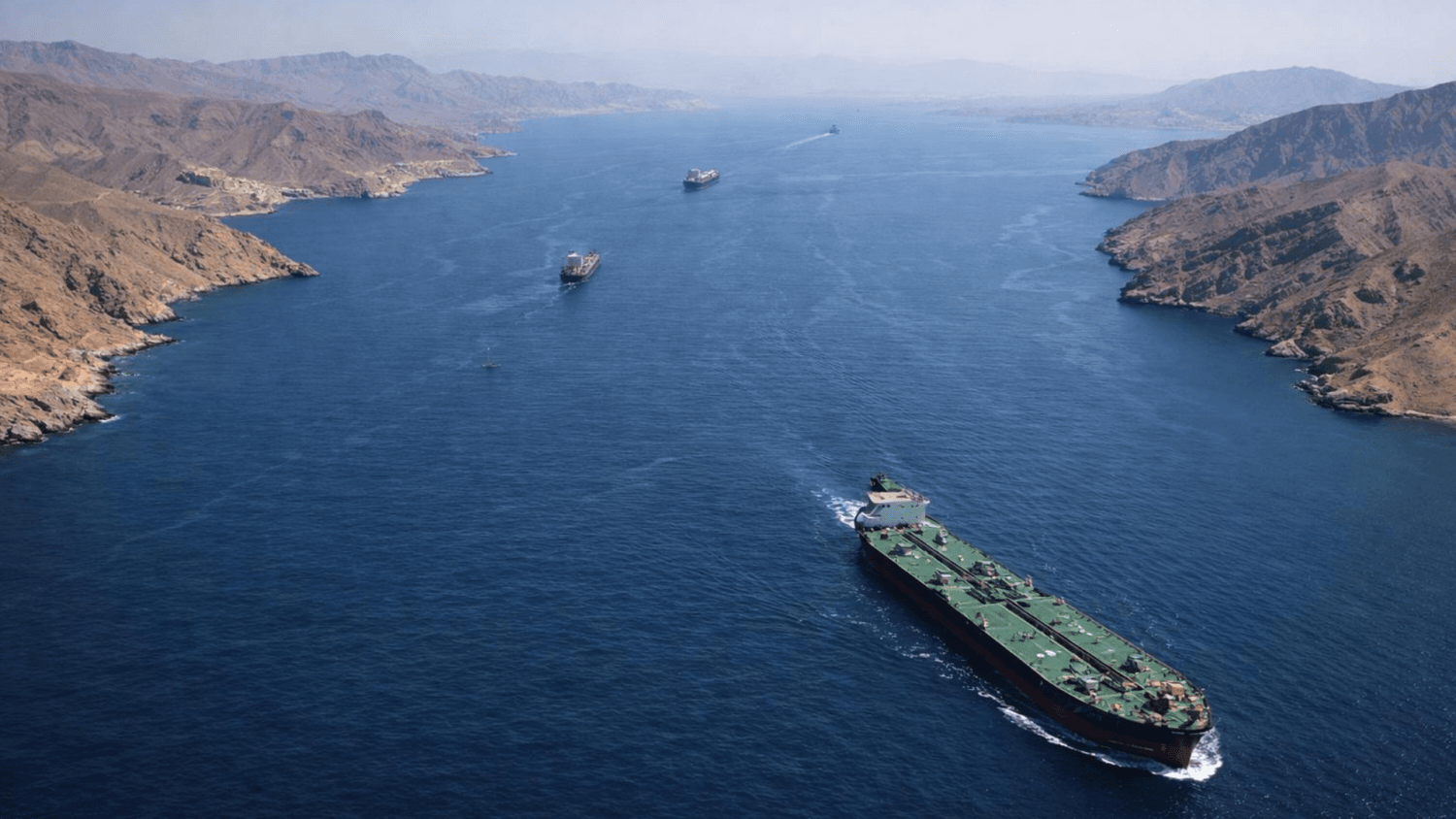
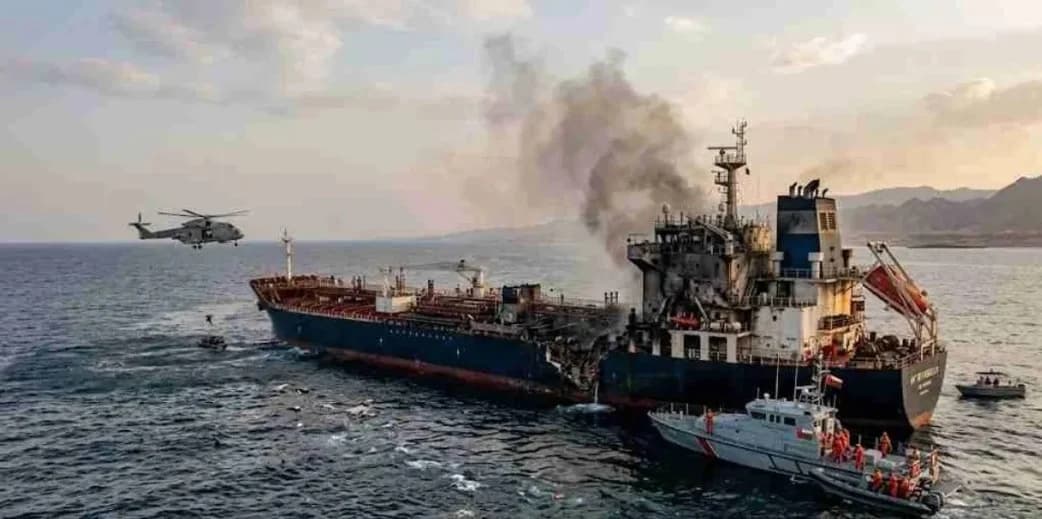
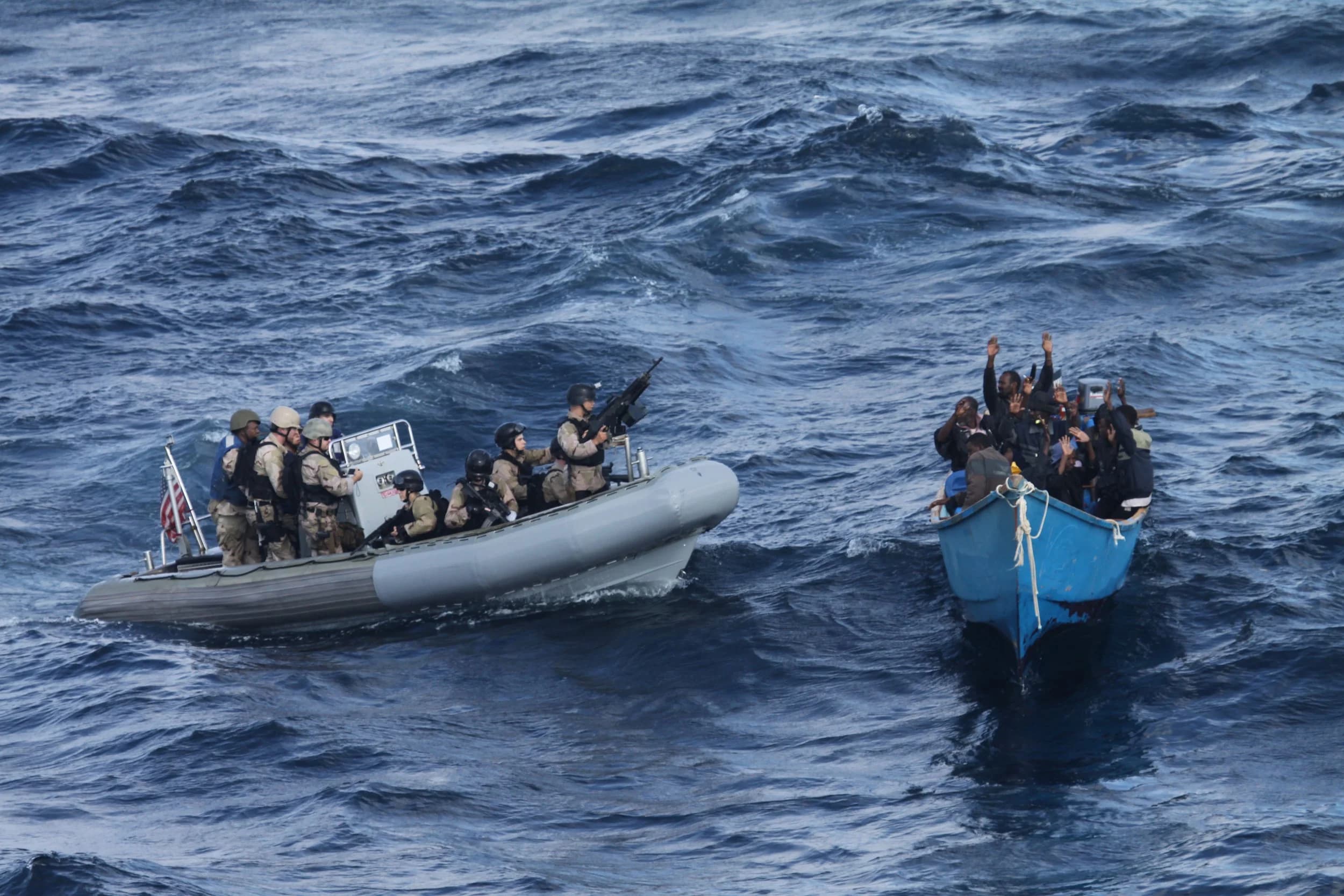
- 44 Somali pirates captured by the Indian Navy in March 2024 and sentenced in July 2026 to life imprisonment under the Maritime Anti-Piracy Act.
- Operations conducted under Operation Sankalp.
- Case of Eitan Gilboa: An Israeli soldier accused of war crimes found in India, which exposed a lack of action from Indian authorities despite applicable international obligations.
Government Policies and Initiatives
- India's Position: India has proclaimed that crimes must be punished and has reiterated the need for action against those committing significant international crimes.
- Lack of Enforcement: Contrasted with India’s proactive measures against piracy, no action reported under the war crimes jurisdiction as per the Geneva Conventions.
Challenges and Recommendations
- Procedural Inaction: Suggested need for:
- Clear investigative criteria akin to other countries (Germany, Canada, UK) for war crimes.
- Strengthening of immigration checks and visa refusal mechanisms for suspected war criminals.
Economic and Strategic Context
- Geopolitical Implications: Treating war criminals appropriately is seen as critical to uphold international laws and assert India’s global stance against impunity.
- Public Perception and Legal Integrity: India's hesitance to enforce universal jurisdiction may undermine its credibility and position as a global leader.
Conclusion
India must enhance its legal frameworks and enforcement mechanisms to tackle piracy and war crimes effectively. A more principled approach towards universal jurisdiction will strengthen India's international standing and align with its self-assumed legal obligations as a member of the global community.
Key Terms & Concepts
| 2022 Maritime Anti-Piracy Act | Legal framework for piracy prosecution |
| 1949 Geneva Conventions | Legal framework for war crimes |
| 1982 United Nations Convention on the Law of the Sea | Mandates piracy repression |
| Operation Sankalp | Indian Navy's anti-piracy operation |
| Hind Rajab Foundation | Involved in tracking war criminal |
| Li Jama | Somali pirate captured in India |
| Eitan Gilboa | Accused Israeli war criminal |
| Mumbai | Location of piracy trial |
| July 20, 2026 | Sentencing date for Somali pirates |
| March 2024 | Capture date of Somali pirates |
| 0 reported actions under 1960 Act | Lack of prosecutions for war crimes |
| Rev. Monteiro v. State of Goa (1970) | Judgment on inaction in war crimes |