iAspirants
Political Funding Trends in 2024-25
Published on:
Share this post

Article Summary
Exam-Focused Summary on Political Funding and Electoral Bonds in India
Political Funding Overview
- BJP received Rs 6,088 crore in 2024-25, an increase of 53% from Rs 3,967 crore in 2023-24, constituting nearly 85% of the total political funding.
- Congress funding dropped to Rs 522 crore, a 54% decline from Rs 1,129 crore.
- Other opposition parties saw decreased funding post the banning of electoral bonds by the Supreme Court in February 2024.
Electoral Bonds System
- Total political funding through electoral bonds reached Rs 16,308 crore since their introduction in March 2018.
- BJP's share was Rs 8,252 crore, indicating a shift in political funding dynamics.
- Prior to electoral bonds, political donations occurred through two modes:
- Direct donations and electoral trusts (ETs) with disclosure requirements.
- Opaque cash funding for amounts less than Rs 20,000 without donor disclosure.
Supreme Court Ruling
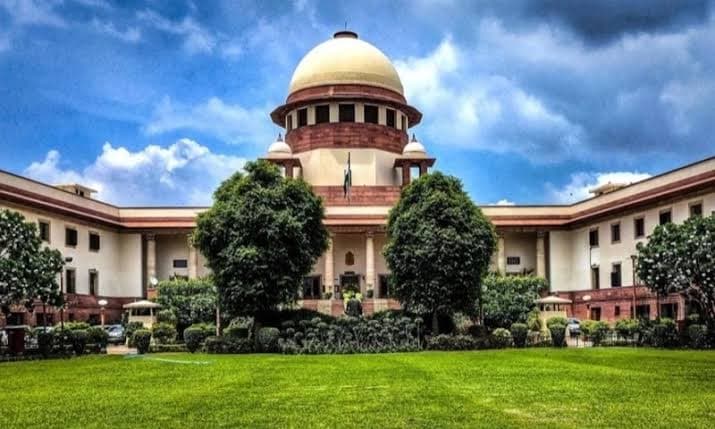
- The Supreme Court declared the electoral bonds scheme unconstitutional, thus enhancing transparency in political funding.
- The State Bank of India was ordered to disclose details of donations to political parties.
Distribution of Funds
- Before the electoral bond scheme, funding distribution favored multiple parties:
- Congress: Rs 1,952 crore (12%)
- TMC: Rs 1,705 crore (10.5%)
- BRS: Rs 1,408 crore (8.6%)
- BJD: Rs 1,020 crore (6.3%)
- DMK: Rs 677 crore (4.1%)
- In 2024-25, funding shifted dramatically:
- BJP: 85%
- Congress: 7%
- TMC: 2.5%
Implications of Funding Dynamics
- Businesses and corporations tend to favor donations to the BJP due to perceived benefits like government contracts and subsidies, raising concerns about coercion and retaliation against contributions to opposition parties.
- Major electoral trusts (e.g., Prudent, Progressive, New Democratic) directed substantial funds to the BJP, which caused concerns about fair competition in political financing.
Key Questions Raised
- The shift in funding distribution raises questions about:
- The effectiveness and repercussions of the Supreme Court's decision.
- The motivations behind corporate contributions post-electoral bond abolishment.
- Evidence of corruption tied to electorial bonds before the ruling and its impact on competition in political funding.
This concise summary outlines the current state of political funding in India following significant judicial rulings, changes in funding schemes, and implications for the political landscape.
Key Terms & Concepts
| Bharatiya Janata Party (BJP) | Receives major political funding |
| Congress | Significantly reduced funding |
| Supreme Court | Declared electoral bonds unconstitutional |
| Electoral Bonds | Mode of political funding |
| Association for Democratic Reforms (ADR) | Critiques electoral bond scheme |
| State Bank of India | Required to disclose donor details |
| D. Y. Chandrachud | Chief Justice during judgment |
| 2018 | Year electoral bonds introduced |
| 2024-25 | Current funding fiscal year |
| 8,252 crore | Funds received by BJP |
| 85% | BJP's share of total funding |
| 16,308 crore | Total political funding through bonds |