iAspirants
Presidency and Constitutional Responsibilities
Published on:
Share this post

Article Summary
Summary Notes
Constitutional Framework:
- Constitution of India: The role of Presidents and Governors is underpinned by the Indian Constitution, emphasizing both the letter and spirit of the law.
- Article 356: Provides the legal basis for the imposition of President's Rule in states.
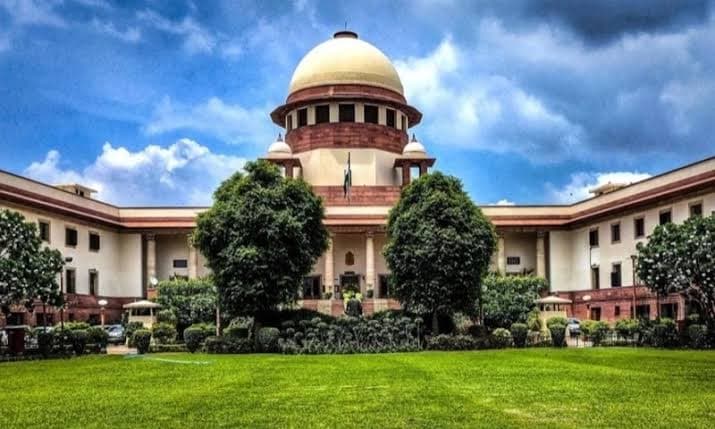
- Judicial Ruling on Governors' Role: A five-judge Bench of the Supreme Court of India ruled that Governors cannot have a fixed timeline imposed by the Court for their examination of Bills and emphasized the importance of reasonable action, rejecting 'evasive inaction'.
Presidency and Governance:
- Historical Presidents: India has had 15 Presidents since independence, with notable figures like Dr. Rajendra Prasad, R. Venkataraman, and K. R. Narayanan exemplifying significant constitutional engagement and moral authority.
- Constitutional Morality: RV and KRN are highlighted for their adherence to constitutional principles and integrity in decision-making, demonstrating that Presidents should uphold constitutional values over political biases.
Governance Incidents:
- Dismissal of State Governments: In 1997, KRN refused the Cabinet's recommendation to dismiss a state government, showcasing the President's role in maintaining constitutional integrity over political interests.
- Political Autonomy: KRN's actions illustrate that the President must act impartially, aligning decisions with constitutional morality rather than partisan politics.
Judicial Insights:
- Supreme Court Clarification: The Supreme Court's opinion clarifies that the Court does not dictate how a President or Governor should act, maintaining the separation of powers and emphasizing the independent role of constitutional office holders.
- Balance of Powers: The judgment reinforces constitutional balance, stating that federal governance requires both the legislature and Governor/President to perform their roles with mutual respect.
Important Themes:
- Constitutional Responsibility: The document underscores the importance of 'fairness' and 'morality' as essential to the functioning of high office holders, stating that true leadership requires ethical decision-making without bias.
- Political Precedence vs. Constitutional Duties: The discussion highlights the ongoing tension between political demands and constitutional duties, advocating for leaders who prioritize the latter.
Conclusion: The interpretation of constitutional duties by Presidents and Governors shapes the governance of India. Historical precedents set by former Presidents emphasize the need for adherence to constitutional morality, showcasing how impartial decisions protect democratic principles. The judiciary plays a critical role in defining the boundaries of executive powers, reflecting the need for a balanced approach to governance to avoid misuse of authority in federal structures.
Key Terms & Concepts
| Constitution of India | Fundamental legal document |
| Article 356 | President's Rule provision |
| five-judge Bench | Supreme Court ruling body |
| Bharatiya Janata Party (BJP) | Major political party |
| India's federal polity | System of governance structure |
| Supreme Court of India | Highest judicial authority |
| President Droupadi Murmu | Current President of India |
| R. Venkataraman | Past President of India |
| K. R. Narayanan | Past President of India |
| CJI B.R. Gavai | Chief Justice during the case |
| Rajiv Gandhi | Former Prime Minister |
| V.P. Singh | Former Prime Minister |
| Chandra Shekhar |